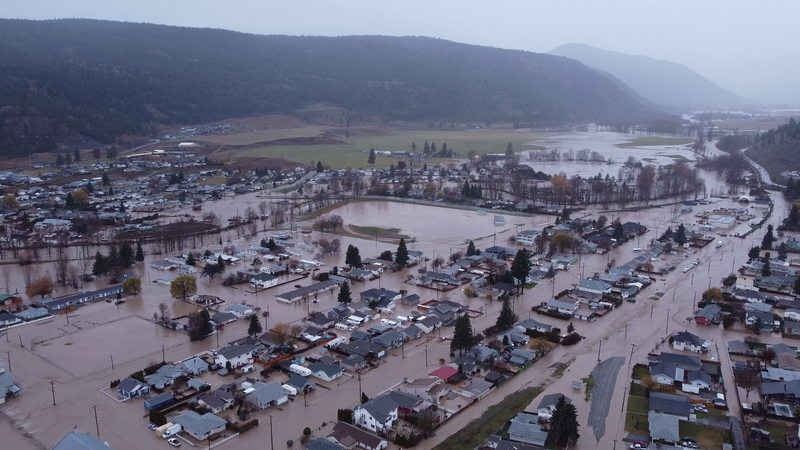
Flooding in Merritt, November 2021 (Image Credit: City of Merritt / Greg Lowis)
Sound Off

SOUND OFF: Helping those impacted by extreme weather — the latest improvements to Disaster Financial Assistance

Sep 21, 2022 | 1:37 PM

AN ATMOSPHERIC RIVER EVENT devastated parts of our province last November and showed us firsthand the effects of climate change. Homes, farms and businesses were flooded. Roads, bridges and infrastructure were swept away. It became the costliest severe weather event in our province’s history and tragically took the lives of five people.

Through this hardship we were reminded of the strength, compassion and resilience of our communities in the face of such a stressful situation.

In the ongoing process of recovering from these floods and landslides, it has become apparent that emergency management in British Columbia must evolve with our new climate reality. We heard directly from people in affected areas that we needed to make changes to certain programs, like British Columbia’s Disaster Financial Assistance Program (DFA). We took that feedback to heart and that’s exactly what we’ve been doing.

That’s why this week, we’re making another change to the program. Building on the improvements we’ve already made, we are increasing the maximum payment that households, small businesses, charitable organizations and farm operators can receive from $300,000 to $400,000. This is the first increase since 2005. This increase is to address cost of living pressures and will ensure people receive the funds they need to recover, even if it exceeds $300,000.

Emergency Management BC has been proceeding with the important modernization of its emergency management legislation which will be tabled ahead of the Spring 2023 hazard season and includes reviewing the DFA program.

However, when the atmospheric river hit in November, the provincial government knew people, businesses and communities could not make do under the DFA program as it was structured, nor could they wait for the modernized legislation to be tabled in 2023. People who needed help needed it quickly, which is why the province expedited a series of interim changes to DFA following the atmospheric river event.

In April of 2022 we announced the first round of these changes to the DFA program to answer calls from the local governments, First Nations and British Columbians to ensure that more people and businesses can access and receive funding to help them recover.

These have been the most significant changes to the program since it was created. They include expanding eligibility based on minimum income, making corporation-owned properties eligible, and increasing the maximum annual revenue for small businesses. We are also supporting community recovery by providing up-front funds to municipalities so they can begin critical infrastructure projects faster, and by expanding the province’s cost sharing contribution based on the price tag of local infrastructure projects.

As our government continues to support recovery efforts and invest in making our communities even stronger and more resilient to climate change, it’s vital that we learn from one another, share information and explore how we can best support communities. Hearing directly from British Columbians on what support is needed will ensure we can build a more prepared and resilient B.C.

——

Editor’s Note: This opinion piece reflects the views of its author, and does not necessarily represent the views of CFJC Today or Pattison Media.