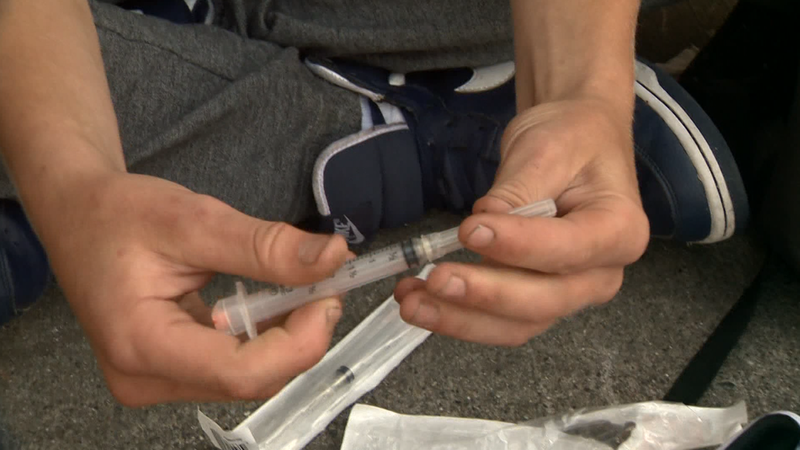
File photo (Image Credit: CFJC Today)
10,000 LIVES LOST

As overdose death toll surpasses 10,000 in B.C., former health minister Lake laments lack of progress

Aug 17, 2022 | 4:16 PM

KAMLOOPS — Since April of 2016, more than 10,000 British Columbians have passed away from illicit drugs.

“We have a joint task-force, we have declared a public health emergency, we have a large awareness program,” said then-Liberal Health Minister Terry Lake in 2016.

On April 14, 2016, Lake joined then-Provincial Health Officer Dr. Perry Kendall in announcing a public health emergency in B.C. due to a rise in the toxic drug supply. Fast forward nearly six-and-a-half years later, and the epidemic shows no signs of slowing down.

“It’s shocking to me that we are still seeing this unprecedented level of toxic overdose drug deaths. I know there are some things that are looking a little brighter, perhaps. But, I think most of us would have expected more progress to date,” Lake told CFJC News Wednesday (Aug. 17).

When the emergency was declared, British Columbia was in the midst of seeing fentanyl take hold of the province in devastating ways.

“There is no question that even in 2014, 2015, we started to see an increase. We started to see fentanyl enter the marketplace. And then it overtook the illicit drug supply. That was something that was somewhat unique to the west coast (at the time),” added Lake.

Troylana Manson lost her son to overdose in 2021. Since that day, she has taken up advocacy work with Moms Stop the Harm.

While Manson is appreciative of the work being done to increase treatment beds, she’s calling on Public Safety Minister Mike Farnworth to step up and make it a public safety crisis.

“There are other indicators in there like poverty, trauma, addictions — but for people who are fatally and non-fatally overdosing, it’s the supply that needs to be addressed,” said Manson.

Statistics from the province show 84 per cent of deaths occurred in private residences like homes.

The Province of B.C. is set to decriminalize small amounts of illicit drugs for personal use in the new year. While the limit is below what experts had been calling for, Manson noted it could be a step toward removing some of the stigma around drug use.

“Anything that is illegal, or has anything to do with the law, that you are breaking the law, just exacerbates the stigma,” stated Manson. “We need to look back from it and decide how we want to make things more acceptable.”

Six-and-a-half years later and the illicit drug deaths have only gone up. While there has been focus on harm reduction, Lake is hoping to see the other pillars, like prevention, addressed.

“I think we need to rebalance and certainly look at safe supply, keep people alive. But we need more treatment, we need more prevention. And we need to make sure that the people who are benefiting and perpetuating this misery face the legal consequences, as well,” said Lake.

It has been 2,316 days since the public health emergency was declared and, in that time, more than 10,000 people have lost brothers, sisters, parents, friends.

“We have put so many resources into COVID, we haven’t put nearly the same number of resources into dealing with the toxic drug crisis — and I think if we did, we would see better results,” added Lake.