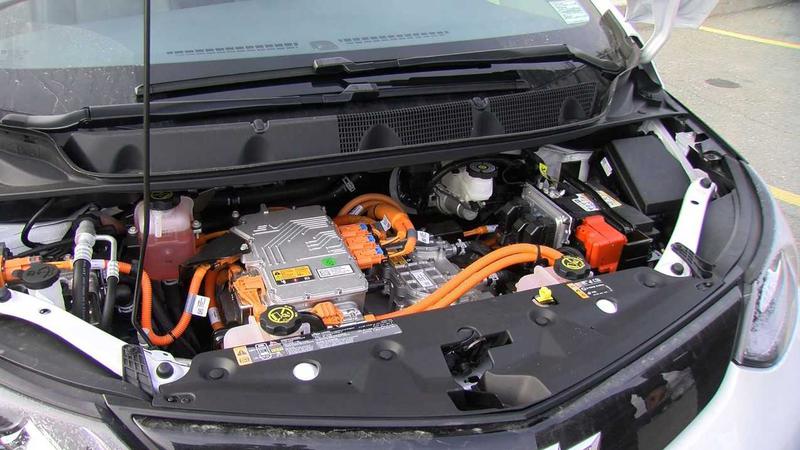
SOUND OFF: Is Kamloops ready to go electric?
-
Share on Facebook
-
Share on Bluesky
-
Share on X
- Copy Link
The transportation sector in Canada is the second biggest source of greenhouse gas emissions (GHG) accounting for 24 per cent of total emissions. Around 66 per cent of Kamloops’ emissions come from the transportation sector as well. In recognition of the high GHG emitted by vehicles, the city has adopted the Electric Vehicle and Electric Bike Strategy to support the transition to electric transport. In addition, charging stations are sprouting all over the city to encourage the adoption of zero-emissions vehicles.
Key Barriers to Electric Vehicle or Bike Adoption
The use of electric vehicles does not happen overnight. People are wary if these vehicles can give them the same autonomy that petrol engines offer. One of the major reasons why people are not convinced of going electric is the fear that they cannot travel long distances with EVs. Furthermore, the problem of charging points is another barrier that affects EV intake. Vehicle owners might even have to think of modifying their homes so that they are EV ready. The purchase cost of an electric vehicle is another challenge as well facing those who want to make the switch.
Addressing these barriers is an important aspect of increasing uptake of EVs. Fortunately, technology advancements resulted to the manufacture of vehicles that have longer driving range. For example, an Audi A3 e-Tron has an electric range of 329km while the Jaguar I-PACE is already at 377km. Tesla also offers several models that have good driving autonomy. Tesla Model 3 can go as far as 499km while the Model 5 is at 595km. In the coming years, automobile manufacturers are going to release more models that have better electric driving range. When it comes to infrastructure, the availability of charging stations is addressed by building more plugging outlets. Incentives in the form of rebates (up to $5,000 per qualifying vehicle) can also encourage owners of vehicles to make the transition.


