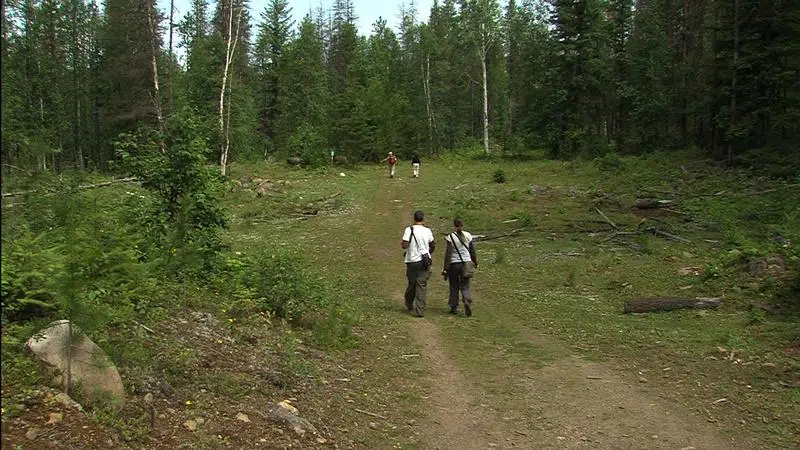
(Image Credit: CFJC Today / Kent Simmonds)
BACKCOUNTRY SAFETY

Outdoor safety put in focus following string of fatal backcountry incidents

Aug 8, 2019 | 5:37 PM

KAMLOOPS — After multiple deadly backcountry falling incidents throughout BC this year, hikers and anyone headed outside are being reminded to be careful.

While surrounding areas have had several fatal events, Kamloops Search & Rescue Manager Alan Hobler says the local area hasn’t seen a swell of incidents.

“For us here in Kamloops, it’s been relatively quiet. It’s been a quieter year than average. I know some of the other teams in the region have been busy, and even busier than average, so we’ve just kind of been fortunate here.”

Hobler says an important part of hiking is leaving a map of your travel route and identifying how long you will be gone. You should leave your plan with somebody who can get in contact with emergency services if you don’t come back.

“So when we receive a missing person report, and they do have a trip plan- it’s amazing for us,” he explains. “Because there is so much more information there that we have to go on, and can figure out what the scenario is better, and we have the tools to be able to search for them more effectively.”

Besides actually telling someone where you plan to go, Hobler says having proper equipment is key.

One may think it’s fine to hike in flip-slops and a t-shirt. “Wwe see people like that all the time,” Hobler says. “But when they do get a sprained ankle, or a broken leg, and it starts raining, now things are pretty dire.”

Basic necessities like proper footwear, water, and a first-aid kit come to mind, but there are plenty of safety options to consider.

True Outdoors manager Harry Gillett says he has some standard equipment he brings anytime he’s heading out.

“I don’t want to be picking my way down a mountain in the dark, or using my cellphone light to get down. That doesn’t work for me,” he says. “So I always have a headlamp in my pack, no matter what I’m doing.”

Gillett says even taking a kayak out on the water means bringing more than a paddle and a life jacket.

“There is a sort of government regulated safety kit to bring in a kayak,” Gillett explains. “So that’s a PFD (personal floatation device), a paddle, a whistle, some kind of bailing device – so it could be a pump, it could be a cut off milk jug, and a length of buoyant line for a rescue. Might seem excessive for a normal day out on the lake, but it won’t seem excessive when you need it.”

Many people in Kamloops are no stranger to getting out in the fresh air, but for the less outdoor-savvy, there are plenty of information options.

“I also find there’s a lot of people who are starting out with camping or hiking, and are new to it, and they come to a store like this to figure out what they need, so we can suggest stuff like that,” says Gillett.

“Check out AdventureSmart.ca,” offers Hobler. “It’s one of our partnership agencies and they’ll provide all the information you need for getting prepared for going out.”

Accidents can happen to anyone in the backcountry, but proper equipment and planning can help avoid a fatal outcome.