WATCH LIVE: CFJC-TV presents the 2026 Kamloops mayoral candidates' debate at 7:00 p.m. tonight.
Candidate Profile

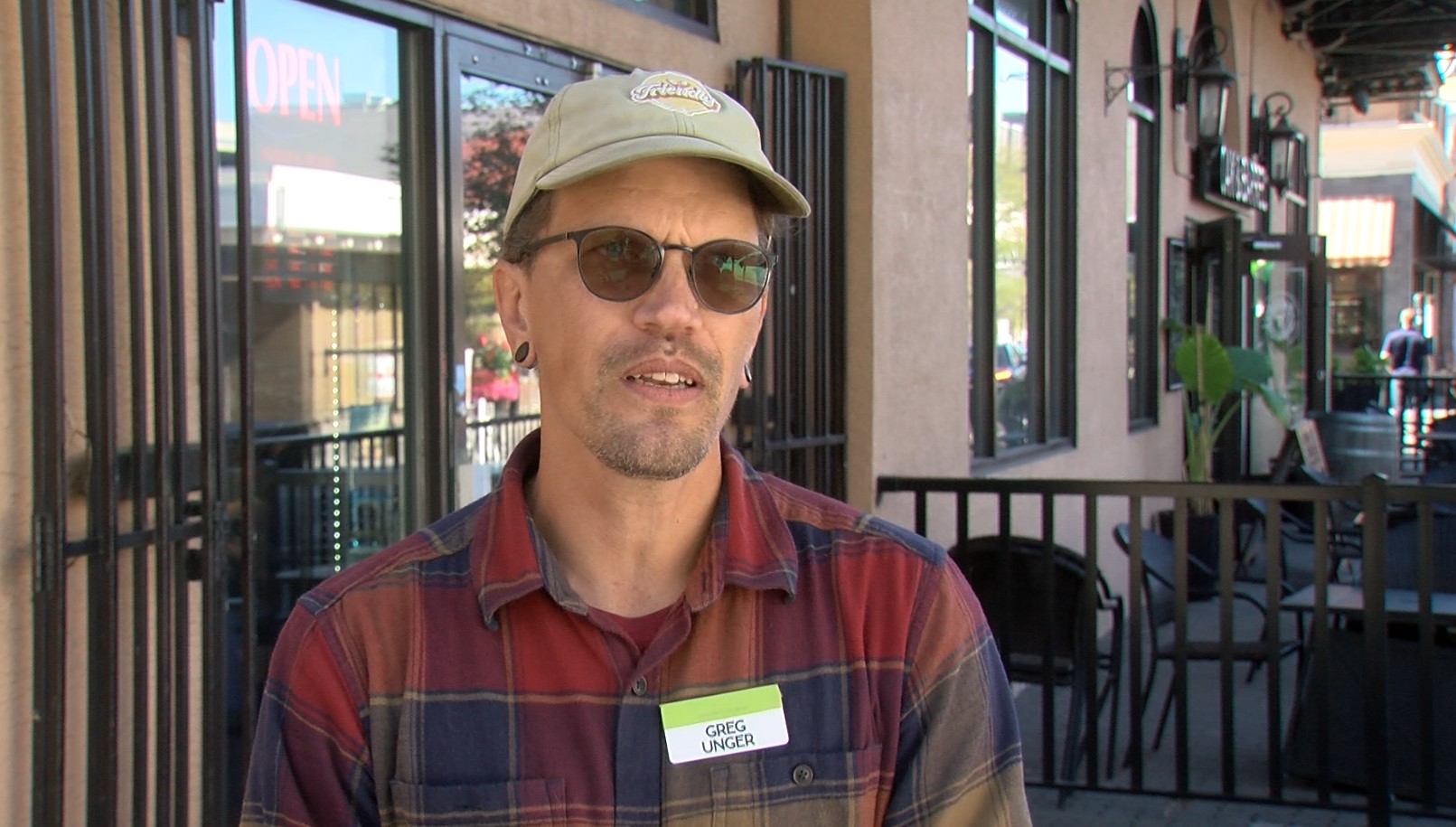
CANDIDATE PROFILE: Greg Unger

Oct 8, 2026 | 10:41 AM

Ahead of the Oct. 17 municipal election, CFJC Today asked candidates for Kamloops City Council to complete a questionnaire, offering voters the chance to evaluate their candidacies. 

QUESTIONNAIRE: 

Describe yourself, your professional background, and why you’re running for public office in Kamloops? 

I moved here in 2017 from Winnipeg, where I was warehouse manager of the local food bank. I was also very actively engaged in volunteering at the local community centre and other community organizations. In Kamloops, I have been managing the downtown farmers’ market for nine years and running the Kamloops Community Gardens program for six years. I am also co-president of the board of the Kamloops Food Policy Council and vice president of the BC Association of Farmers’ Markets. I am actively engaged in community grassroots organizing in town. For example, I helped start the Kamloops Cycling Coalition and the bike valet service, helped start the Kweseltken Farmers and Artisans Market in Tk’emlups, and have been engaged with my neighbourhood association, the McDonald Park Neighbourhood Association, in various projects like the garden beautification project. 

What do you think is the biggest issue facing the City of Kamloops and how would you use your elected position to address it? 

I think the city is facing a crisis in how it treats its most vulnerable residents. This is often framed as a safety issue, but I believe it is an issue of dignity. We need to make sure our most vulnerable residents have access to affordable housing by mandating that all new housing developments include affordable units. I will push to build more public washrooms. I will ensure we are working with organizations like Mustard Seed, ASK Wellness, or Out of the Cold to make sure we are offering wraparound support to help street-entrenched folks get into housing and stay there. 

Following a term highlighted by infighting and tension at city hall that impacted Kamloops’ public image, how would you ensure civil discourse and good governance would take place between yourself, fellow elected officials and city staff? 

I have a career in community work, and the training that has proven most valuable to me over the years has been conflict management. I would encourage the city council, as well as top city staff, to take conflict management training and anger management training. I think such training should be mandatory. As the city’s elected representatives, it is the role of city council to lead by example. I would work with my colleagues in a respectful and diplomatic manner and would remind my colleagues to also act with respect in their dealings. I would also work to ensure the province’s new oversight mechanisms are properly enforced to ensure decorum at city hall. 

Considering recent years of large municipal tax increases in Kamloops, how would you address the city’s tax rate going forward? 

We need taxes to pay for our infrastructure and amenities. I don’t see taxes going away any time soon. But rather than increasing taxes year after year, we should look at increasing our tax revenue by building up rather than out: more urban infill, and more zoning for multiplexes in more neighbourhoods. Increasing development in this way will also increase our tax revenue, as a single multiplex pays more in taxes for the same real estate than a single-family dwelling. I would also look to reduce the red tape hindering small businesses from opening their doors. More small businesses means more tax revenues. 

As major infrastructure projects are on the horizon in Kamloops, how would you prefer the city go about gaining the electorate’s approval – via referendum or the alternative approval process (AAP)? Why? 

The AAP is another tool in the city’s toolbox and is a great cost-saving measure for going forward on infrastructure projects like our wastewater treatment plant which are largely unopposed by city residents. However, when there is significant public pushback on projects, it indicates to me that we need more public consultation. Large Build Kamloops projects should go through a public consultation process to ensure that the public is not being fed misinformation and feels like it is being heard. I propose that the city holds regular citizen engagement forums – not just for large projects but for general aspects of city life. So when the time comes for either a referendum or an AAP, the public feels heard. I support the use of AAPs, as they are much cheaper than referendums, but only if the project being proposed has gone through an engagement process and has wide public support. 

What are your thoughts on communication between the City of Kamloops and its residents? Are there areas of improvement you’d like to see? 

I would like to see citizen assemblies and citizen engagement forums. They should be open not just to residents of Kamloops, but residents of Tk’emlups as well. City councillors need to be more engaged and open to talking to residents. Through my work at the farmers’ market and the community garden program, I get to talk to residents all the time. I often hear that they feel like city hall is not listening. I promise to always have my door open and always be listening to the public. Council represents the people of Kamloops, and I promise to listen and learn from you to better represent your needs and desires.