WATCH LIVE: CFJC-TV presents the 2026 Kamloops mayoral candidates' debate at 7:00 p.m. tonight.
Candidate Profile

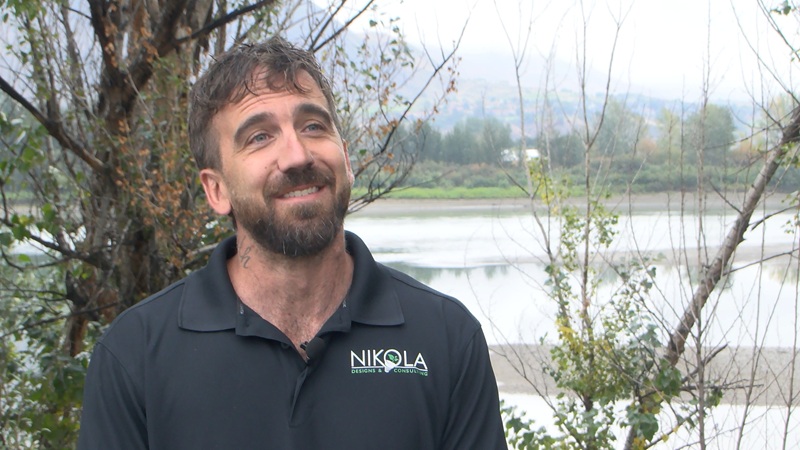
CANDIDATE PROFILE: Bryce Eberle

Oct 8, 2026 | 10:35 AM

Ahead of the Oct. 17 municipal election, CFJC Today asked candidates for Kamloops City Council to complete a questionnaire, offering voters the chance to evaluate their candidacies. 

QUESTIONNAIRE: 

Describe yourself, your professional background, and why you’re running for public office in Kamloops? 

I’m a lifelong Kamloops resident, a small business owner, a father of two, and a volunteer soccer coach. Kamloops has always been home for me, and it’s the community where I’ve chosen to build my life, my business, and my family. 

Professionally, my background is in building design. I attended Thompson Rivers University in Engineering Design and Drafting Technology and have gained extensive experience in building design and energy efficiency through my business, Nikola Designs & Consulting. That experience has given me a practical understanding of how regulations, planning, and the decisions we make today can directly affect what we’re able to build tomorrow. 

I’m running for city council because I believe in Kamloops and I want to play a role in building a strong future for our city. As a father, I want my children to have the opportunity to grow up here, build their careers here, find a home here, and choose to stay here if they want to. 

I believe Kamloops has tremendous potential. We need to support responsible growth, improve public safety and livability, create opportunities for people and businesses, and make sure our community is prepared for the future. 

I ran for council in 2011, and after living here my entire life, owning a local business, raising my family, and being involved in the community, I feel this is the right time to step forward again and put my experience to work for the city I call home. 

What do you think is the biggest issue facing the City of Kamloops and how would you use your elected position to address it? 

I believe one of the biggest issues facing Kamloops is housing affordability, and I think part of the solution starts with making it easier to build the housing our community needs. 

We need to be able to grow. If people who grew up in Kamloops can’t afford to buy a home here, or if young families and workers can’t find suitable housing, we risk making it harder for people to build their future in our community. The city’s own housing needs data shows the scale of the challenge and the significant number of new homes Kamloops will need as our population grows. 

As a councillor, I would focus on looking at what the city can control to help get homes built faster and more efficiently. That means reviewing regulations, zoning, lot requirements, development processes, fees and other barriers that can add unnecessary time and cost to a project. My background in building design gives me a practical understanding of how those decisions can affect what is actually possible to build. 

I also believe we need to have a realistic conversation about density. Thoughtful increases in density can allow us to use existing infrastructure and land more efficiently, while still maintaining the character of our neighbourhoods. At the same time, I’m not opposed to responsible growth on the edges of our city when it makes sense and can be supported by the necessary infrastructure. 

Housing is not something the city can solve alone. It requires cooperation with the provincial and federal governments, BC Housing, developers, builders, non-profits and the community. But council does have tools available, and I would use my position to push for practical changes that help get more housing built, while making sure growth is properly planned and infrastructure and services keep pace. 

Ultimately, I want Kamloops to be a city where people can afford to live, businesses can grow, and the next generation has an opportunity to stay and build their future here. 

Following a term highlighted by infighting and tension at city hall that impacted Kamloops’ public image, how would you ensure civil discourse and good governance would take place between yourself, fellow elected officials and city staff? 

Good governance starts with respect, accountability, and a willingness to listen. Council members don’t have to agree on every issue, but we do have to be able to disagree respectfully and work together for the people of Kamloops. 

If elected, I would make a point of treating my fellow councillors and city staff with professionalism and respect, even when we disagree. I believe debates should be about ideas and decisions, not personalities. I would also be willing to listen to perspectives that differ from my own and change my position when the facts or the public interest warrant it. 

I also believe in respecting the roles of elected officials and city staff. Council’s job is to set direction, establish priorities and make decisions for the community, while staff provide the professional expertise and advice needed to implement those decisions. Maintaining that distinction is important to a healthy organization. 

Kamloops has experienced significant governance challenges during this term, including formal investigations and the need for additional measures to address conduct and workplace issues. I don’t think the answer is for the next council to simply continue those divisions. We need to move forward. 

For me, that means having difficult conversations in the council chamber when necessary, dealing with disagreements directly and respectfully, following the Code of Conduct, respecting confidentiality, and being accountable for the decisions we make. 

Most importantly, I would remember that I’m there to represent the residents of Kamloops, not to win arguments with other councillors. At the end of the day, council needs to be able to have healthy debate, make decisions, and then work together to move the city forward. 

Considering recent years of large municipal tax increases in Kamloops, how would you address the city’s tax rate going forward? 

I think Kamloops residents deserve a council that takes every tax dollar seriously. We need to recognize that costs are rising, but that cannot automatically mean that property taxes should continue to rise at the same rate. 

If elected, I would approach the budget with a focus on prioritization, efficiency, and accountability. Before asking residents for more money, I want council to be asking: can we deliver this service more efficiently? Is this something the city needs to be doing? Can we defer or eliminate lower-priority spending? And are we getting the value we should be getting from the money we already collect? 

I also think growth needs to be part of the conversation. A growing tax base can help distribute the cost of municipal services across more taxpayers. That means we need to be thoughtful about how we grow, while making sure new development pays its appropriate share of the infrastructure and services required to support that growth. 

At the same time, I would be realistic about what council can control. Policing, wages, inflation, infrastructure costs and other external pressures all affect the city’s budget. The goal shouldn’t be to promise that taxes will never increase; it should be to make sure increases are justified, sustainable and tied to services and priorities that residents value. The city itself notes that some costs are outside municipal control. 

Ultimately, I want to see a city government that treats the taxpayers’ money like it is their own. I would support looking for efficiencies first, prioritizing essential services such as public safety and infrastructure, and being transparent with residents about where their money is going and why. 

As major infrastructure projects are on the horizon in Kamloops, how would you prefer the city go about gaining the electorate’s approval – via referendum or the alternative approval process (AAP)? Why? 

I generally lean toward the Alternative Approval Process because I believe residents elect council to make decisions on their behalf. With that responsibility comes accountability. I believe we should have confidence in the people we elect to make informed decisions about the city’s long-term investments. 

At the same time, I understand why there has been concern about the AAP process in recent years. Rather than abandoning the process, I think we should work to rebuild public confidence in it and make it more transparent, accessible and user-friendly. 

The AAP is designed to do exactly that. It gives residents an opportunity to formally oppose a borrowing proposal, and if at least 10 per cent of eligible electors submit valid opposition, the proposal must go to a referendum before Council can proceed with the borrowing. 

I would like to see the city do more to make sure residents actually know when an AAP is happening and understand what they are being asked to consider. That could include a dedicated AAP notification system, clearer and more accessible information about the project and its financial implications, and a simple online process for submitting responses while maintaining options for residents who prefer to participate in person or by mail. 

I also think we need to respect what the AAP is intended to do. If we make the process more transparent and easier to participate in, then we should trust the process. If enough residents oppose a project, it triggers a referendum. That is an important safeguard, and I believe the AAP should be the starting point rather than automatically sending every major borrowing decision to a referendum. 

For particularly significant projects, I would still be open to a referendum where I believe it is warranted. But ultimately, I believe residents elect council to govern, and council needs to be willing to take responsibility for the decisions it makes. 

My goal would be to rebuild trust in the AAP, not by making it easier to avoid public input, but by making it easier for residents to understand the issue, participate in the process and, when necessary, trigger a referendum. 

What are your thoughts on communication between the City of Kamloops and its residents? Are there areas of improvement you’d like to see? 

I think communication between the city and its residents can be improved. Communication should be timely, clear and, most importantly, two-way. 

I’d like to see the city be more proactive in explaining major decisions, projects and changes that affect residents, not just what is happening, but why. Information should be easy to find and presented in plain language. 

I also think we need to improve the feedback loop. When residents are asked for input, they should be able to see what was heard and how that feedback was considered. 

If elected, I would make myself accessible to residents and support more open, transparent and convenient communication between city hall and the community.