WATCH LIVE: CFJC-TV presents the 2026 Kamloops mayoral candidates' debate at 7:00 p.m. tonight.
Candidate Profile

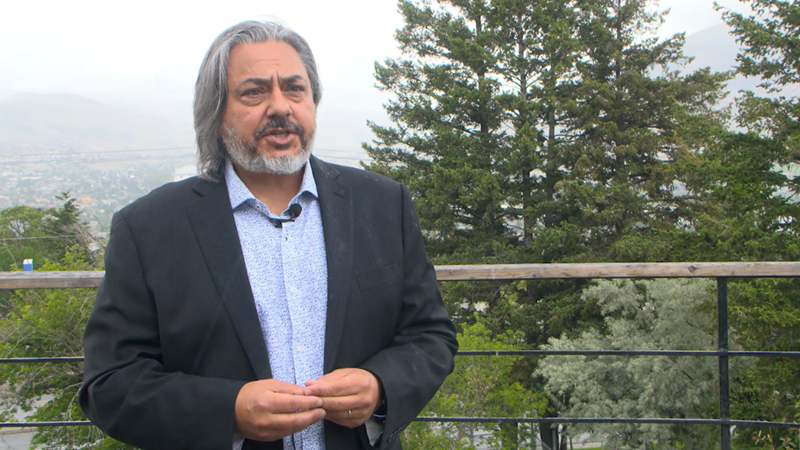
CANDIDATE PROFILE: Christopher Mitra

Oct 8, 2026 | 10:35 AM

Ahead of the Oct. 17 municipal election, CFJC Today asked candidates for Kamloops City Council to complete a questionnaire, offering voters the chance to evaluate their candidacies. 

QUESTIONNAIRE: 

Describe yourself, your professional background, and why you’re running for public office in Kamloops? 

I’ve lived in Kamloops for over five decades, raised my family here, and genuinely love this community. 

Professionally, I come from a split background: I started in computer science and business, spending years as a tech CAO helping build an IT software company. Today, I work as an executive confidence and leadership coach, helping leaders resolve dysfunction, communicate under pressure, and get things done. In the community, I spent 18 years volunteering as an Auxiliary RCMP officer and certified Restorative Justice Facilitator in Kamloops. 

I’m running because city hall should solve problems, not create theatre. This city takes its cue from our leaders, and when that gets bogged down in personal friction and noise, basic priorities get neglected. I’m stepping up because my career has been about cutting through dysfunction, building accountability, and getting people with different viewpoints to deliver results.

What do you think is the biggest issue facing the City of Kamloops and how would you use your elected position to address it? 

The biggest issue facing the residents of Kamloops is street disorder and community safety, and that is closely tied to mental health and addiction. Residents and small business owners feel unsafe walking in their community and feel frustrated that they shoulder the responsibility for shoplifting and vandalism. 

While crime and health care sit under the federal and provincial governments, I believe we have an opportunity to make an impact. Some of the motions I would like to introduce would include: 

Deploy Rapid-Response Clean Teams: Street disorder creates an environment where additional crime takes root. I want dedicated, mobile city cleanup crews dispatched rapidly to hot spots across our business corridors and parks to remove needles, biohazards, and graffiti before they linger. Keeping our public spaces clean isn’t cosmetic — it’s crime prevention. 

Better Enforcement with our Good Neighbour Agreements: We are seeing more issues and chaos in the areas and sidewalks around shelter and supportive housing operators. Our “education first” bylaw policy is not working. We need to use our Good Neighbour Bylaw to keep these areas clean and secure. 

Ensure full frontline staffing for RCMP and CSOs: We cannot expect a safe community if we don’t have the resources to enforce. We need to ensure RCMP and Community Services Officer (CSO) positions are fully funded, filled, and actively patrolling our streets. We should also ensure we fund our RCMP staffing needs before funding other capital projects, so bylaws and crime are enforced effectively. 

Launch a Real-Time Crime Centre (RTCC) pilot: A small group of prolific offenders drive the majority of police files in our city. I will push to deploy targeted, high-definition camera networks in documented property-crime hot spots, giving police the real-time visibility and ironclad video evidence needed to make charges stick in court. 

Build provincial community partnerships to demand provincial and federal action: There is power in numbers. The revolving-door justice system, catch-and-release bail policies, and inadequate involuntary care facilities are provincial and federal responsibilities. By building a united coalition with neighbouring Interior and mid-sized B.C. municipalities, our collective voice carries far more political weight than individual cities complaining alone. 

Following a term highlighted by infighting and tension at city hall that impacted Kamloops’ public image, how would you ensure civil discourse and good governance would take place between yourself, fellow elected officials and city staff? 

My day job is literally coaching leaders through conflict, ego clashes, and broken communication. In council, I would use the skills and experience I have learned over the last six years to ensure we: 

Focus on the policy, not the personality: You don’t have to be best friends with your colleagues, but you owe it to the taxpayers to treat each other and city staff with basic decency. 

Do the homework: Disagreements are fine and even healthy, as long as they’re based on facts, data, and procedural integrity, not personal grudges. 

Respect: Council sets strategic direction and city administration executes. That means that respect is paramount if anything is going to get done. I will make sure that we don’t blur those lines and wreck morale. 

I intend to lead by example by staying calm, prepared, and focused on the job we were elected to do. 

Considering recent years of large municipal tax increases in Kamloops, how would you address the city’s tax rate going forward? 

Moving forward, council needs to distinguish between “must-haves” and “nice-to-haves”. To address the tax concerns, I would look at: 

Full core-service reviews: We need to scrutinize costs in all city departmental budgets before asking homeowners and local businesses to dig deeper into their pockets. We need to do this without impacting front-line services. 

Tackling municipal cost drivers: We have to look hard at internal efficiencies, procurement costs, and project management to prevent costly overruns. 

Commercial tax base growth: Expanding our local business and light industrial tax base takes pressure off residential property owners, but we can only achieve that if the city cuts red tape and becomes easier to do business with. 

We need fiscal discipline that protects core services — roads, utilities, safety — without assuming the taxpayer’s wallet is bottomless. 

As major infrastructure projects are on the horizon in Kamloops, how would you prefer the city go about gaining the electorate’s approval – via referendum or the alternative approval process (AAP)? Why? 

For major capital projects that require significant long-term borrowing, I firmly support a referendum. 

The AAP has its place for routine, administrative borrowing, but using it for massive capital expenditures feels backwards to most residents. It uses silence as approval and ends up breeding suspicion and resentment. 

If a major facility or infrastructure plan is worth building, council should be confident enough to make the case publicly, show the transparent business plan, lay out the exact tax impact, and let people cast an affirmative vote. We need to earn and build that trust back. 

What are your thoughts on communication between the City of Kamloops and its residents? Are there areas of improvement you’d like to see? 

Communication from City Hall often feels defensive, technical, and top-down. The perception is that by the time a neighbourhood hears about a significant change, it’s already a done deal rather than an open dialogue. 

Areas I want to see improved: 

Plain-language reporting: Council packages, budget summaries, and project updates shouldn’t require a degree to decipher. Tell people clearly: What is this? What does it cost? How does it impact your street and your taxes? 

Earlier, proactive neighbourhood engagement: Don’t wait until the statutory public hearing stage to inform residents about major projects in their backyards. Engage community associations and neighbourhood groups before decisions are locked in. 

Closing the feedback loop: When people take the time to fill out surveys or attend town halls, they need to see how their input actually influenced the outcome—not feel like their feedback disappeared into a black hole.