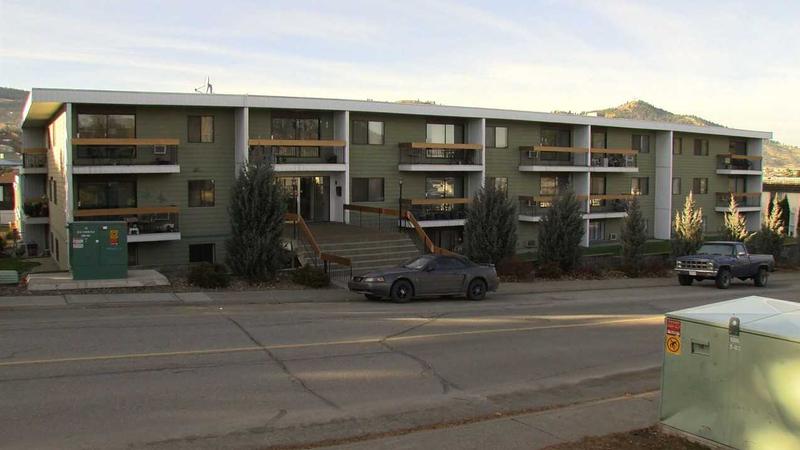
File Photo (Image Credit: CFJC Today)
Sound Off

SOUND OFF: Creating more homes for people

Oct 25, 2023 | 10:30 AM

VACANCY RATES ACROSS THE PROVINCE are extremely low, people are struggling to find homes they can afford and the explosion of short-term rentals is making the problem worse. We’re in a housing crisis and we need to take strong actions across the board to help make sure that all British Columbians can find a place to call home.

That’s why this week we announced legislation to rein in the ballooning short-term rental market to make sure we can free up more homes for people.

Our government has introduced the Short-Term Rentals Act, which will help support local governments with new tools to regulate short-term rentals, encourage the return of these units back into the long-term rental market and establish new rules and regulations with regard to short-term rentals in B.C.

The fact is the increasing number of short-term rentals in British Columbia is contributing to low vacancy rates and higher rents B.C. communities. We’re taking action to make sure that more residential properties provide people with homes rather than profits for investors.

It’s estimated short-term rentals are taking over 16,000 homes off B.C.’s long-term market​, and if we could return even half of those to the long-term rental market, it would make such a difference.

To be clear, short-term rentals will still be available in B.C., though in most communities, it will prevent people from owning multiple properties solely to rent out in the short-term, which eliminates what may be a much-needed rental suite for British Columbians. Yes, some people do rent out their primary residence or a secondary suite on their property as a short-term rental to help supplement their income, but the reality is that roughly the top 50 per cent of short-term rental profits only go to only 10 per cent of hosts and nearly half of hosts have multiple listings.

In municipalities with more than 10,000 people, short-term rentals will be limited to principal residences only, meaning the owner lives on the property, plus one additional unit like a laneway house or a basement suite. In resort municipalities, electoral areas and most communities with less than 10,000 people, local governments will have the option to opt into the requirements, but it will not be mandatory.

We know that many municipalities want to free up more rental units in their communities and we’ll be making regulating short-term rentals easier with data-sharing, increasing the responsibility on companies like AirBnB or VRBO, increasing fines for non-compliance and more.

We understand that people who rely on short-term rentals will need time to adjust and make decisions about their properties and that local governments will also need time for the transition. That’s why these changes are going to be introduced in a phased approach.

Starting on May 1, 2024, people in qualifying municipalities will need to restrict their short-term rentals to principal residences or secondary suites on their property. In summer 2024, data sharing from short-term rental platforms will begin, and by late 2024 the provincial registry will be launched along with a provincial compliance and enforcement team.

There is no silver bullet to solve the current housing crisis, and that’s why our Homes for People plan takes action across the board to do everything we can to get more British Columbians into homes they can afford, faster.

——

Editor’s Note: This opinion piece reflects the views of its author, and does not necessarily represent the views of CFJC Today or Pattison Media.