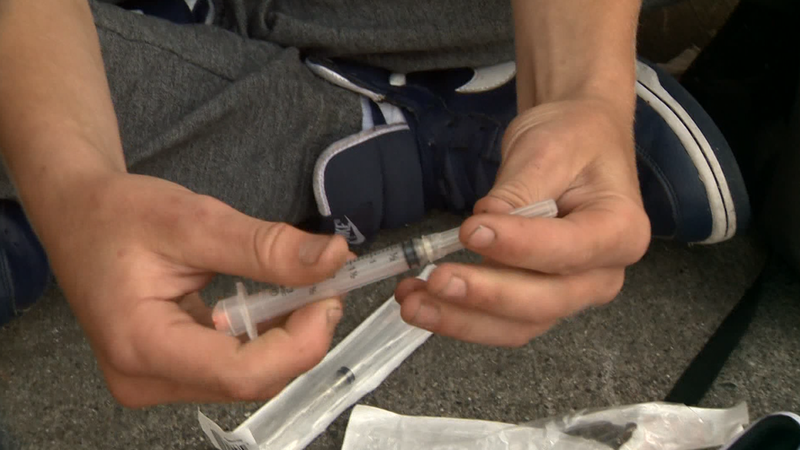
File Photo (Image Credit: CFJC Today)
Sound Off

SOUND OFF: Decriminalizing people and breaking down stigma

Feb 1, 2023 | 10:26 AM

WHEN IT COMES TO TACKLING the tragic drug overdose crisis, our government believes we need to recognize it for what it is: a public health matter – not a criminal justice one.

When people who are using drugs are afraid of being criminally charged, they are less likely to reach out for support and health care, and more likely to hide their drug use and use alone. Given the increasingly toxic drug supply circulating, using alone can all too often mean dying alone.

People who are using drugs often hide it from their friends and family, and may not even be aware of the supports that are available.

My goal is to continue to create more pathways for people to access and receive the care they need without judgement. With record investments in the full continuum of mental health and substance use care, we are building a comprehensive system of treatment and care that simply did not exist under the former government.

On January 31, we added one more tool in our toolbox by decriminalizing simple possession of drugs. This means that adults who possess 2.5 grams or less of certain illegal drugs will not have their drugs seized or face fines or criminal charges.

Instead, police officers will offer people information on local health and social services that can help, including treatment or recovery options if they are ready for that important step.

Just like with any other major change to our laws, I know people will have questions about this new approach. I would like to clarify some misconceptions that might be out there.

Decriminalization only applies to adults. Youth who are 17 or younger found in possession of illegal drugs are subject to the federal Youth Criminal Justice Act, which promotes rehabilitation of young people who have committed offences. Possession of drugs remains illegal on the premises of schools and childcare facilities. Policies in other workplaces and organizations will continue to protect children and youth in settings like community or recreation centres.

The drugs covered by decriminalization – opioids, cocaine, methamphetamine and MDMA – are still illegal. They won’t be sold in stores, and it remains illegal to produce, traffic or sell these drugs. It’s also still illegal to drive a car or a boat under the influence of drugs.

Decriminalization only applies to B.C. Anyone taking any amount of illegal drugs across the border to the U.S., or into another province or territory, could still be charged with a criminal offence. Decriminalization will also support enforcement efforts as if frees up police resources to focus on the organized crime that produce, import or distribute drugs in our communities.

By making it clear that the government believes drug use is a health matter, I hope to encourage people who need help to feel more comfortable getting the care they need – just like they would for a broken bone, a sore throat or any other health concern.

Our healthcare system has been working hard to prepare for decriminalization, including providing new training and resources to police, and hiring more positions in health care and treatment to help connect people with support. We’ve also added hundreds of new beds for treatment and recovery as well as established and expanded on the ground outreach teams in communities across the province.

Decriminalization has the support of chiefs of police, municipalities, First Nations organizations, health professionals, advocates and people with lived and living experience. It has also received support from all political parties in the legislature. I am grateful that we are moving forward on this important issue, together.

This is one more step in our continued work to build a system of mental health and addictions care that works for all British Columbians.

——

Editor’s Note: This opinion piece reflects the views of its author, and does not necessarily represent the views of CFJC Today or Pattison Media.