SOUND OFF: Building back better after the 2021 storms
-
Share on Facebook
-
Share on Bluesky
-
Share on X
- Copy Link
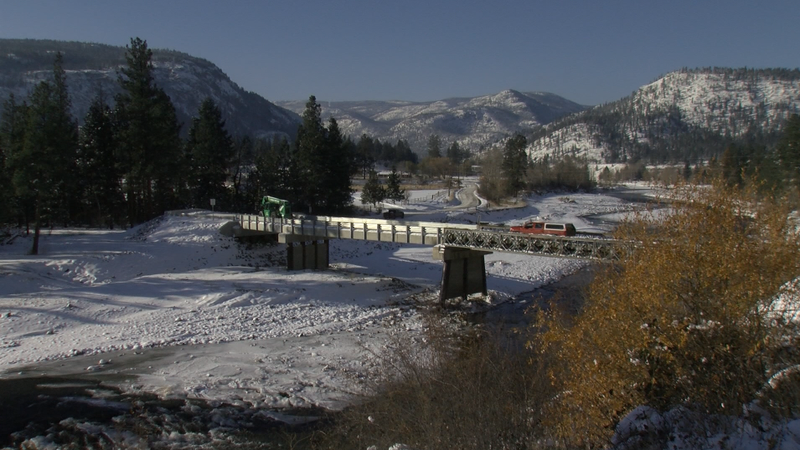
FOR PEOPLE IN THE KAMLOOPS AREA, last November will be remembered for the devastating storm that destroyed roads, railways, bridges and other critical infrastructure in the Southern Interior and Lower Mainland. The atmospheric river caused damage that effectively cut off the Lower Mainland from the rest of Canada. Highway 1 through the Fraser Canyon, the Coquihalla, the Hope-Princeton, Highway 12 and Highway 99 were all closed. Highway 8 from Merritt to Spences Bridge was all but destroyed, with more than 25 sections totalling over seven kilometers of highway lost into the Nicola River.
We all remember the impact. Families and friends were separated, communities were cut off from each other, and the supply chains we all rely on every day were suddenly compromised. However, the response was phenomenal. Our dedicated contractors, private companies, unions, Indigenous communities, local governments and Ministry of Transportation staff all worked around the clock to help keep people safe and tackle the huge challenge of getting our roads open again. It was through that shared effort that we were able to re-open highway after highway earlier than anyone predicted —including getting the Coquihalla open just five days before Christmas.
So where are we one year later?
We are turning the page, focusing on building back better and making sure our highway network is strong, resilient and reliable for the new climate reality we’re in. All our highways that were damaged are now open, and crews are busy working on permanent repairs. We recently completed the Othello section of Highway 5 the Coquihalla, restoring this section to four lanes. Permanent repairs to the Coquihalla at Bottletop Bridges, Juliet Bridges and Jessica Bridges are moving ahead. Contracts have been awarded for permanent repairs along Highway 1 through the Fraser Canyon.


