SOUND OFF: A closer look at B.C.’s shared bee conservation efforts in 2022
-
Share on Facebook
-
Share on Bluesky
-
Share on X
- Copy Link
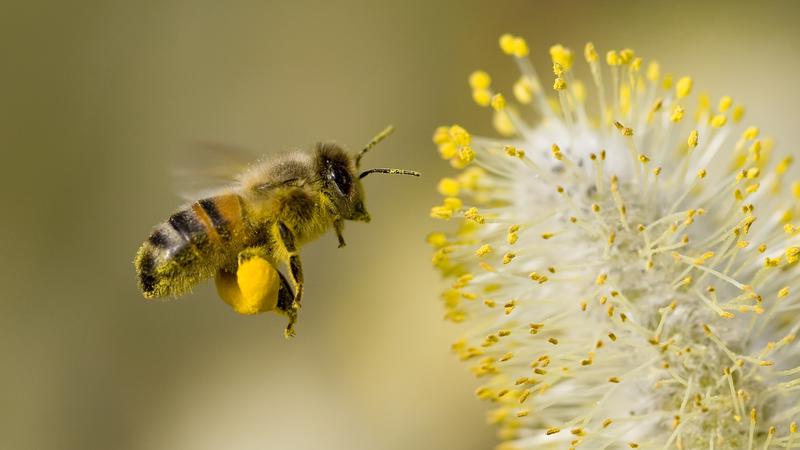
THE WORLD WILL celebrate World Bee Day on May 20, 2022, an acknowledgement that bees are a vital cog in the earth’s ecosystems, as well as an at-risk set of species worldwide. Closer to home, the battle to save the bees of British Columbia is being fought on several fronts. Bee conservation is proving to be a joint task undertaken by organizations, citizens and provincial and federal authorities. There are an estimated 500 species of bees in British Columbia. These wild pollinators play an essential role in the propagation of both terrestrial and agricultural landscapes. Most plant life on earth relies on them, and by extension, all human life does, too. In recent times, bee conservation efforts in BC have been entangled in community misinformation and vagaries surrounding provincial and federal responsibility. The climate is now shifting as grassroots organizations, individuals, farmers and government share the load.
Conservation Efforts From Farmers and Households
In Canada, as in many other places, the citizen science around bees has not kept pace with the threats they are facing. Public understanding and awareness are key factors driving decision making on both a personal and a political level. A recent study of Canadians found that while the majority identified bee conservation as important, there was widespread confusion surrounding bee varieties, habitat destruction and, most significantly, what measures should be taken.
The primary way in which citizens can help bee conservation efforts is through planting pollinator-friendly garden plants, an action that doesn’t require knowledge of the bee species beneficial to the environment. Non-profit organizations such as Pollinator Partnership Canada have information on what gardening products they should avoid. For agricultural farmers, halting the use of pesticides that can harm the natural habitat of bees, as well as planting more sustainable crops that don’t rely on pesticide use, are two major ways to secure the future of bees in the province.