SOUND OFF: Government must provide answers as hospital staffing shortages worsen
-
Share on Facebook
-
Share on Bluesky
-
Share on X
- Copy Link
IT’S BEEN AN UNDENIABLY DIFFICULT 18 MONTHS for every British Columbian, but it’s not hard to see that front-line workers, particularly those who work in health care, have faced an additional set of challenges. Working daily to look after people’s health is stressful at the best of times, but add to that a global pandemic with increased risk, overwhelmed emergency rooms and ICUs and long overtime hours, and it’s no wonder we are seeing burnout and staffing shortages on a wide scale.
We’ve been gradually noticing this problem over the past few years, but it’s reached a critical point during the COVID-19 pandemic. Nurses and other healthcare workers are working 24-hour shifts, having their vacations cancelled, being harassed by protesters and dealing with the harsh realities of a global pandemic up close. These conditions are leading to widespread burnout and staffing shortages around the province. It’s a feedback loop as conditions lead to exhaustion and resignations that in turn lead to even lower staffing levels and higher levels of burnout. We’re watching this unfold in every corner of the province, but particularly in smaller hospitals and health centres.
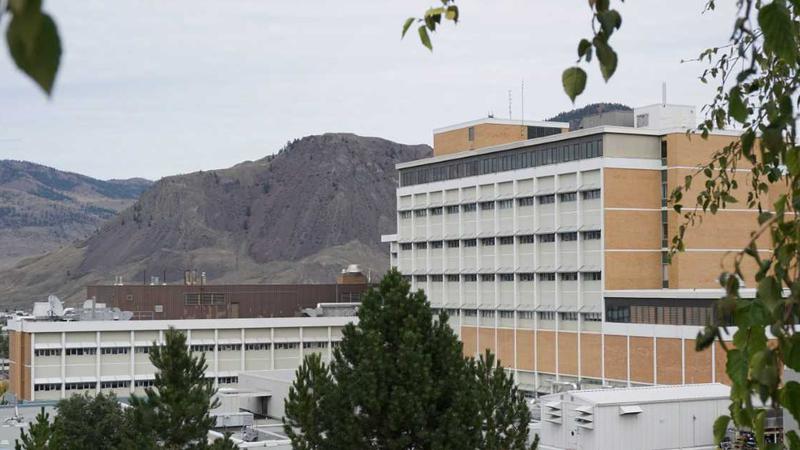
Here in Kamloops, we just witnessed the heartbreaking story of a woman who passed away in the waiting room of Royal Inland Hospital after waiting six hours for treatment. This after reports from last month that roughly two-thirds of emergency room nurses at Royal Inland have left their jobs recently due to stress. Just last month, the emergency department of Dr. Helmcken Memorial Hospital in Clearwater was forced to close every night for nearly a week because of staffing shortages, directing patients to Royal Inland instead. During the heat dome at the end of June, one site reported being down half their workforce.
Unfortunately, stories like this are becoming all too common, and we have yet to see any clear plan from government about how they plan on addressing the obvious needs and gaps in the system. Minister of Health Adrian Dix was asked about this very issue on Tuesday, and he acknowledged his government’s failures saying, “We did neglect this area for quite a long time, gave priority to other areas of training and we have some challenges.”


