CFJC’s Remembrance Day special will stream live from Riverside Park starting at 10:30 a.m. | WATCH HERE
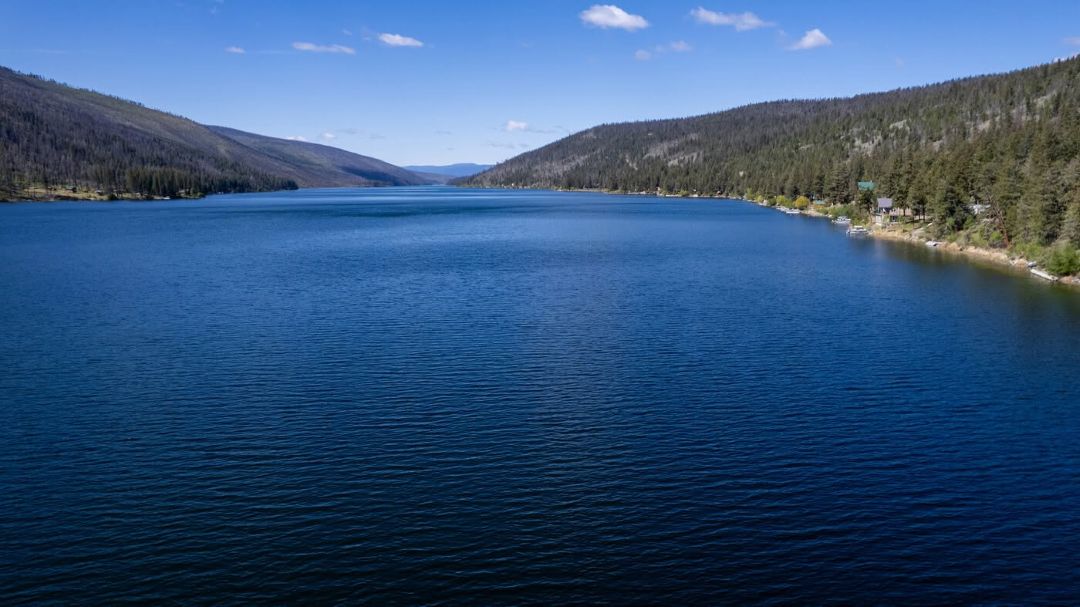
Loon Lake. (Image Credit: Thompson-Nicola Regional District)
Loon Lake amenities

New parking lot, potable water supply coming to Loon Lake shores

Nov 11, 2026 | 8:00 AM

LOON LAKE, B.C. — Work on a new gravel parking lot and potable water fill station for swimmers, boaters and others visiting Loon Lake will soon get underway.

The Thompson-Nicola Regional District (TNRD) said the gravel parking lot will be constructed along Stevens Road, across from the Loon Lake Community Water System pumphouse.

Work will begin in November, and its expected to be completed by December, depending on the weather.

“This public parking lot will be designed to accommodate day-use parking for lake users and parking for boat-access properties,” said the TNRD, in a statement.

The TNRD said the new potable water fill station will be in constructed in the parking lot, with that work to begin in the spring of 2027.

“Similar to commercial water fill stations in grocery stores, this self-serve station will be set up for users to fill five-gallon (19 litre) containers with filtered, potable drinking water year-round,” said the TNRD. “Loon Lake Community Water System customers will be able to use the fill station at no cost, while other community members can pay a nominal charge per use.”

The TNRD said the Loon Lake Community Water System was built in 1974 and serves about 52 properties. There are about 323 properties in the Loon Lake area, and about 271 draw water from private sources.

“The bulk water fill station will have the filtration components of a water treatment plant but on a smaller scale, and it will lead to a permanent source of potable water for residents and visitors of Loon Lake,” said Jim Smith, Director for Electoral Area “E” (Bonaparte Plateau), in the statement.

“The new parking lot for day use and for boat access properties will also address a long-standing request from community members.”

The TNRD said the project is budgeted for about $300,000, which was mostly grant funded. The Growing Communities Fund provided $175,000 and $120,000 comes from the Building Communities Strong Fund, the remaining $5,000 coming from the TNRD’s capital reserve funds.