U.S. Election

TRU professors react as Democrats sweep to power in U.S. midterm elections

Nov 6, 2026 | 6:13 PM

KAMLOOPS — As the dust settles on Tuesday’s (Nov. 3) midterm elections in the United States, the question on the minds of many in Kamloops – and across both countries – is what happens next?


Voters sent a strong message to President Donald Trump and his policies as the Democrats won control of both chambers of Congress – the House of Representatives and the Senate. Those results brought jubilation – and relief – for at least one American citizen who calls Kamloops home.

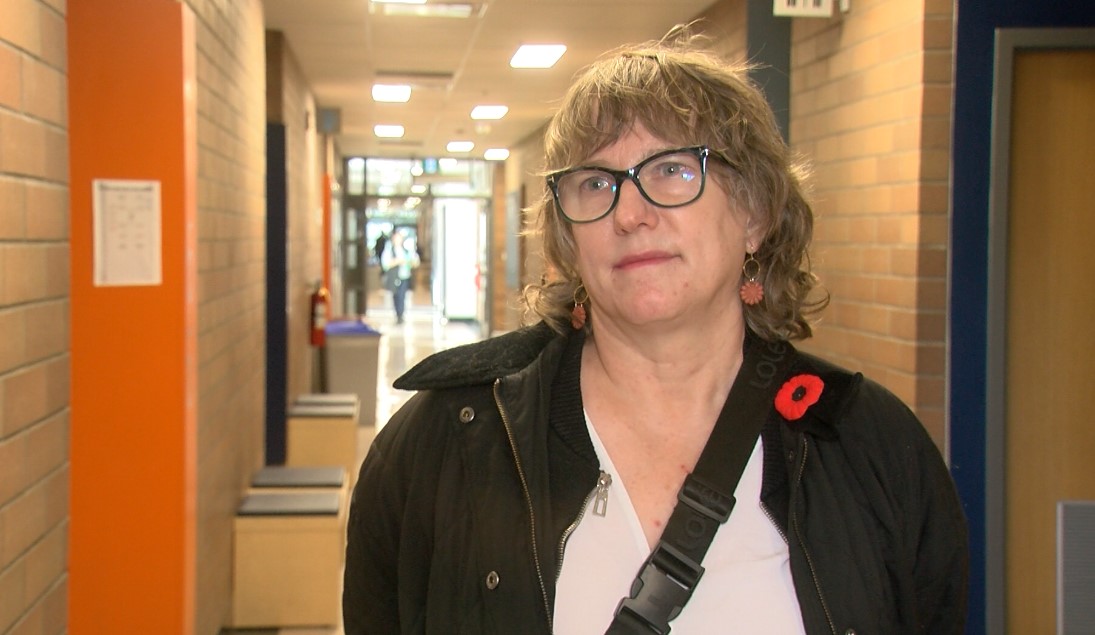
“I was cheering. My husband and I were high-fiving,” Annie St. John-Stark, an assistant professor of history at Thompson Rivers University, told CFJC.

“In the past, I’ve voted for Republicans when I thought somebody was doing a good job. I’ve also voted Democrat as I just want people who are going to a really good job at representing people.”

St. John-Stark said she was worried and nervous early on Tuesday, but those fears eased as the day progressed.

“I’ve been here before where things turned out very different back in 2015 and 2016 and so I thought ‘oh, no. What if this is going to happen again?'” St. John-Stark said. “I’m worried about my family, I’m the only one up here in Canada but as the day went on, I got happier and happier.”

Annie St. John-Stark
Annie St. John-Stark (Image Credit: Kent Simmonds/CFJC Today)

Trump repeatedly told voters to “pretend” that he was on the ballot, adding Republicans would have won had that been the case. Many Americans appear to have voted like he was on the ballot, as Democrats elected senators in traditionally red states like Texas, South Carolina and Kansas.

Texas also elected its first Democrat governor in more than three decades, while in Ohio – where St. John-Stark is from – voters elected a Democrat as governor for the first time in nearly 20 years.

“It was surprising, but also kind of gratifying that somebody who had put forward such a horrific advertisement as [Vivek] Ramaswamy did, did not get elected,” St. John-Stark said. “That was such a relief.”

While there is relief on this side of the border owing to the deteriorating relationship between Canada and the United States, it remains to be seen what happens once the Democrats take office in January.

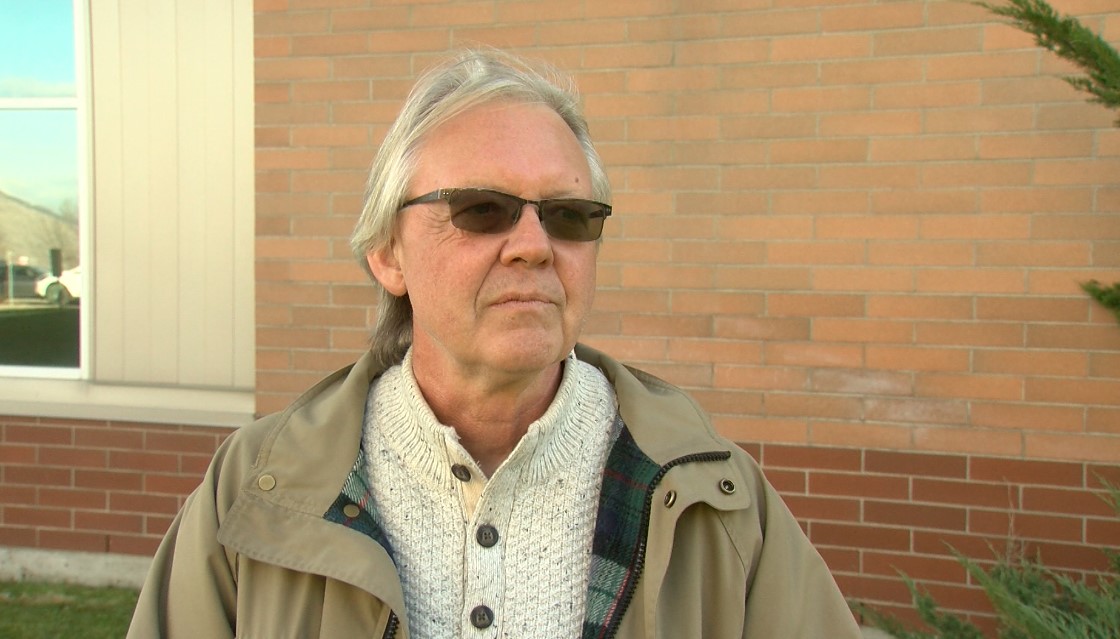
“Whatever was going on in the office of the president wasn’t shared by a huge number of people,” Terry Kading, an associate professor of political science at TRU, added. “[The Democrats have] two years to do a lot of things that deal domestically with issues in the United States – Iran War, prices, things like that.”

“I think we [in Canada] can part of that discussion and certainly demonstrate that we’re part of the solution, not part of the problem.”

Terry Kading
Terry Kading (Image Credit: Kent Simmonds/CFJC Today)

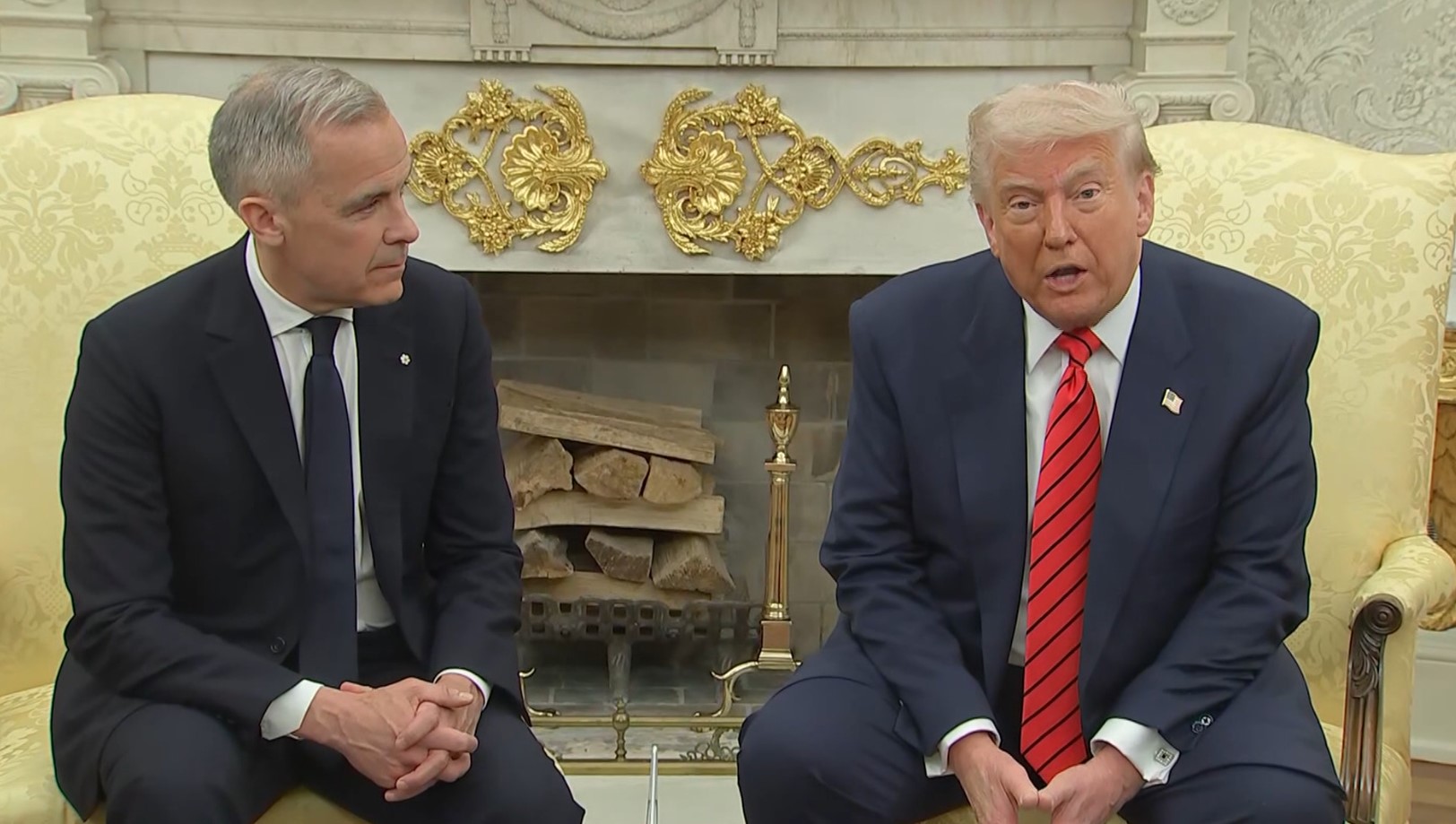
Kading said while it’ll be important for Prime Minister Mark Carney to maintain regular contact with President Trump, it might also take a while for Canadians to rebuild the trust that’s been lost over the past couple of years.

“Donald Trump and his cabinet, they’re pretty vocal about what they like and they dislike, and whether that tone changes or not, I think that’s going to be the big issue moving forward,” Kading said.

“It’s going to be fascinating to watch to see how much he uses his veto power going forward,” added St. John-Stark. “I hope that he’s not misguiding people when he says that he’s willing to work across the aisle.”

“I’m hopeful but this is still Donald Trump that we’re talking about.”