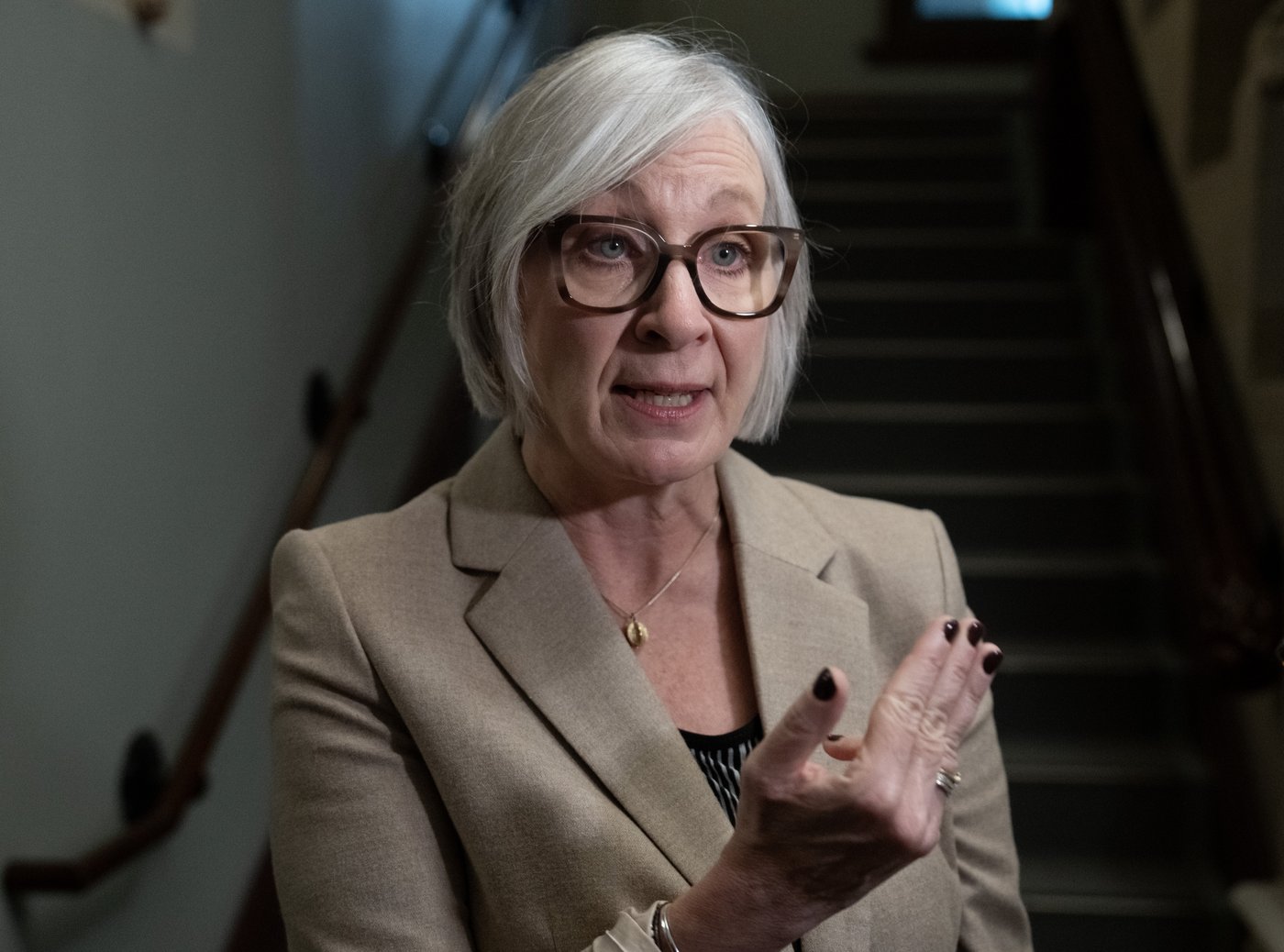
Minister of Jobs and Families Patty Hajdu speaks with reporters on Parliament Hill before attending caucus in Ottawa, Saturday, Sept. 19, 2026. THE CANADIAN PRESS/Adrian Wyld

Liberals’ proposed labour code changes include conditions for ending strikes

Sep 21, 2026 | 9:08 AM

OTTAWA — The Liberal government introduced legislation on Monday which it says will help unions and employers get to deals faster and reduce labour disruptions in the economy.

Bill C-39, the Building Canada Strong Act, includes changes to streamline project approvals across the country and adjustments to the Canada Labour Code.

The government said in a news release Monday that it’s making changes to the federal labour framework to keep pace with a rapidly changing economy while protecting workers’ rights to strike.

Jobs Minister Patty Hajdu said in a media statement that strong labour relations are critical to strengthening Canada’s economy against mounting pressures.

“This legislation will protect the right to strike while reinforcing the responsibility of unions and employers to negotiate in good faith, helping ensure workers and employers can continue to navigate challenges together,” she said.

Many of the proposed changes revolve around Section 107 of the labour code — a contentious section that has been used by the government to scuttle strikes in a variety of sectors in recent years.

Labour leaders were hoping to see that section repealed or restricted, while employers have indicated they want to see stronger government intervention when a labour disruption might put Canada’s economic interests at stake.

A senior government official briefing reporters after the legislation was tabled Monday said the jobs minister would not gain any new powers through the legislation.

The minister would instead have to fulfil two conditions before triggering Section 107 — one of which would require the minister to declare that a dispute is adversely affecting “the national interest.”

The proposed legislation says the “national interest” could relate to impacts on the Canadian economy and whether a strike is causing “serious social disruption.”

The minister also would have to consider a report from a new special mediator role being introduced under the legislation. That mediator would be tasked with setting out the parties’ positions and could offer recommendations on a new collective agreement.

Other changes in the legislation would determine when contract talks between the parties must begin in advance of a deal expiring — particularly in situations where there’s a history of labour acrimony.

In addition to the legislation, the government plans to hire an additional 26 workers at the Canada Industrial Relations Board to help clear the backlog of workers’ complaints against employers.

The government says it also will also hire 100 new health and safety officers to boost inspection capacity.

This report by The Canadian Press was first published Sept. 21, 2026.

Craig Lord, The Canadian Press