SOUND OFF: Kamloops food system assessment shows a region growing stronger together
-
Share on Facebook
-
Share on Bluesky
-
Share on X
- Copy Link
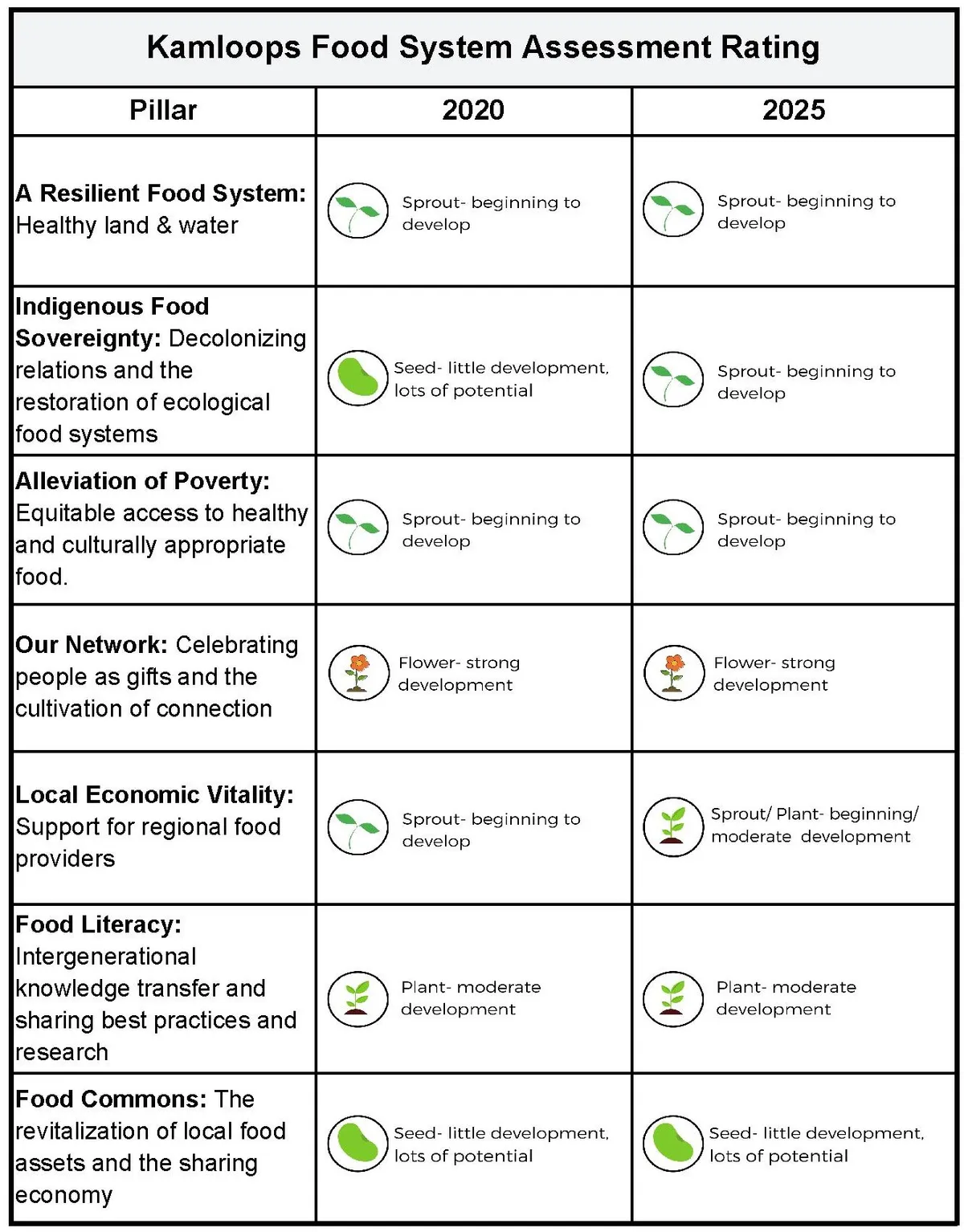
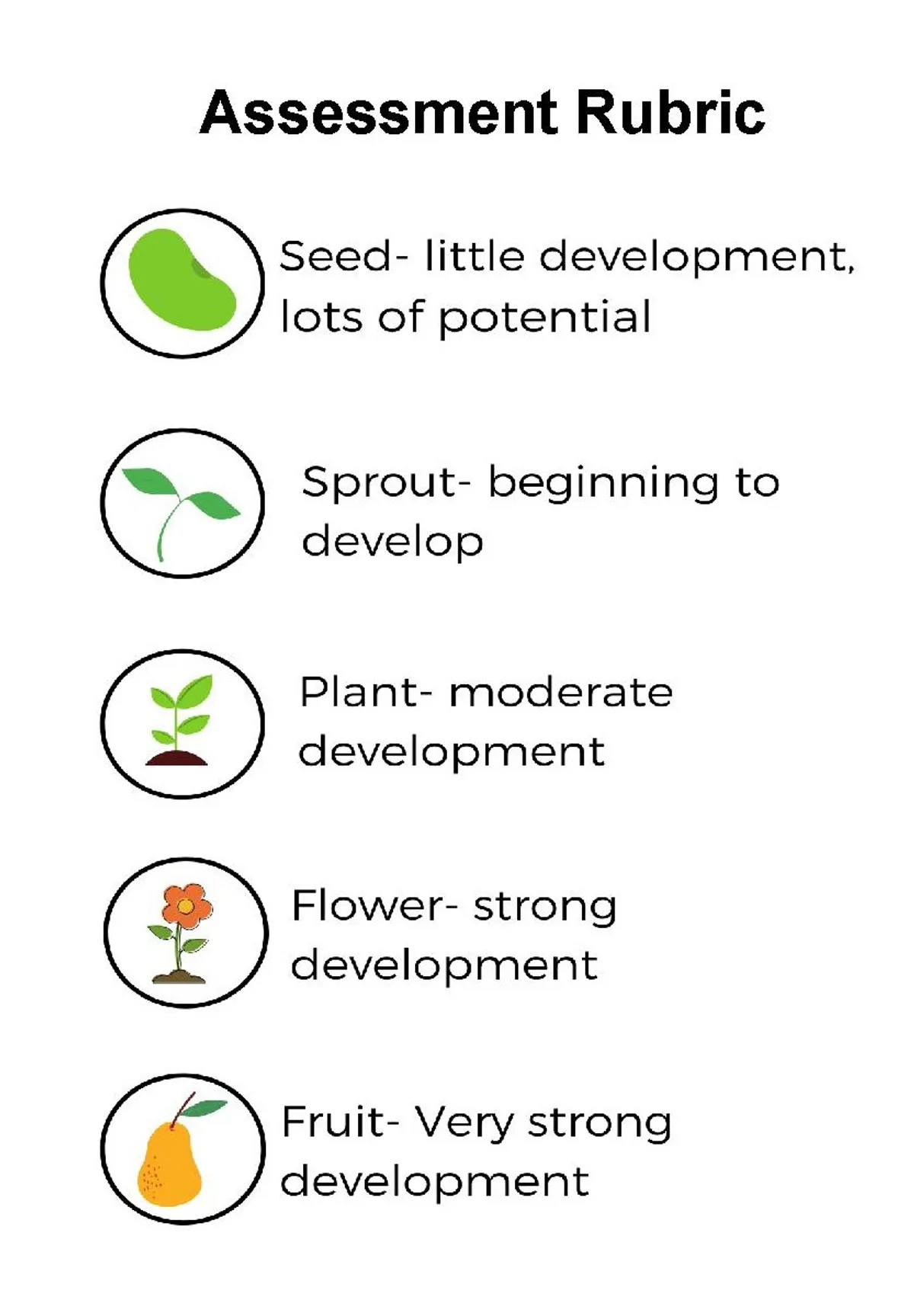
Kamloops’ latest Food System Assessment shows a community and sector that is not only adapting to change but steadily building a more connected and resilient local food landscape. Releasing later this year, the 2025 report highlights strong progress across several areas of the food system and emphasizes the importance of innovation, collaboration and renewed community energy through the lens of a changing regional landscape. Picking up where the last report left off in 2020, the current assessment utilizes the same metrics from the previous report, the assessment evaluates the region’s food system using the Seven Pillars of Food Sovereignty. Adopted in 2007 by Food Secure Canada and adapted for the Kamloops context, the Seven Pillars identify what is required to develop a food system that is sustainable, just, and equitable. The Pillars include: A Resilient Food System, Indigenous Food Sovereignty, Alleviation of Poverty, Our Network, Local Economic Vitality, Food Literacy and Food Commons. The pillars are then graded rubric based on a progress level of Seed, Sprout, Plant, Flower and Fruit. See the table near the end of the article for the assessment ratings of 2020 and 2025.
Over the past five years, Kamloops has seen remarkable progress across its food system in comparison with other regions of the province, emerging as an example to other regions of what a resilient and thriving food system can look like. This has been made possible by the community’s high concentration of food system infrastructure. This infrastructure includes both physical assets, buildings, equipment, organizations, mindsets/social conditions, how the food system is reflected in policies, buying behaviour and general knowledge of where local food is sourced. Together, these physical assets and mindsets/social conditions play a critical role when conducting these assessments.
Some pre-existing examples of food system infrastructure in Kamloops include multiple community gardens, a thriving regional farmers market, adoption of a Food Charter by the local government and numerous incredible community organizations that facilitate food access programs to underserved populations. Two relatively new additional assets include the Mount Paul Community Food Centre, a part of the Canadian Community Food Centre Network and The Stir Food Hub, a part of the BC Food Hub Network. Since opening in 2019 and 2022,respectively, these two assets have contributed heavily to supporting and uplifting the work already taking place in the food system. Mount Paul serves as a community hub for social gatherings and community connection, low-no barrier access to grocery items, and various skills and training opportunities such as gardening, cooking and preserving/canning. The Stir supports local/regional producers and entrepreneurs by providing facility rentals (commercial kitchen and cold/dry storage), business development support and other resources.