(Image Credit: Curtis Goodrum / CFJC Today)
CHILD DISABILITY FUNDING

Child disability funding changes worry parents who may not be included

Feb 25, 2026 | 6:02 AM

KAMLOOPS – The B.C. budget revealed earlier this month outlined a $475 million, three-year overhaul of government-funded supports for children with disabilities. The funding model will shift next year. 


There are mixed reactions from parents and caregivers. It means thousands more children and their families will gain access to needed supports, but on the other hand, families of children with certain types of autism could lose thousands of dollars a year.

“The vast majority of children with autism will continue to receive benefits. And a third of the children who are currently receiving benefits, who have autism, we’ll see more because it’s based on their needs,” Jodie Wickens, B.C.’s Minister for Children and Family Development says.

Bonnie McBride, the executive director of Inspire Kids, believes the province is taking a step in the right direction, hoping this opens up more support. 

“We don’t have that bottleneck anymore of whether or not you have access to a diagnosis. In some parts of our province, it’s three-to-five years for the waitlist just to get the diagnosis,” McBride says.

There are concerns from parents whose children could be excluded under the new model, the rules of which haven’t been released.

“Not having that bad of a disability anymore means that his funding, which is very limited to begin with, is now going to be cut even more, which doesn’t help him,” Heather Gates, a concerned parent says.

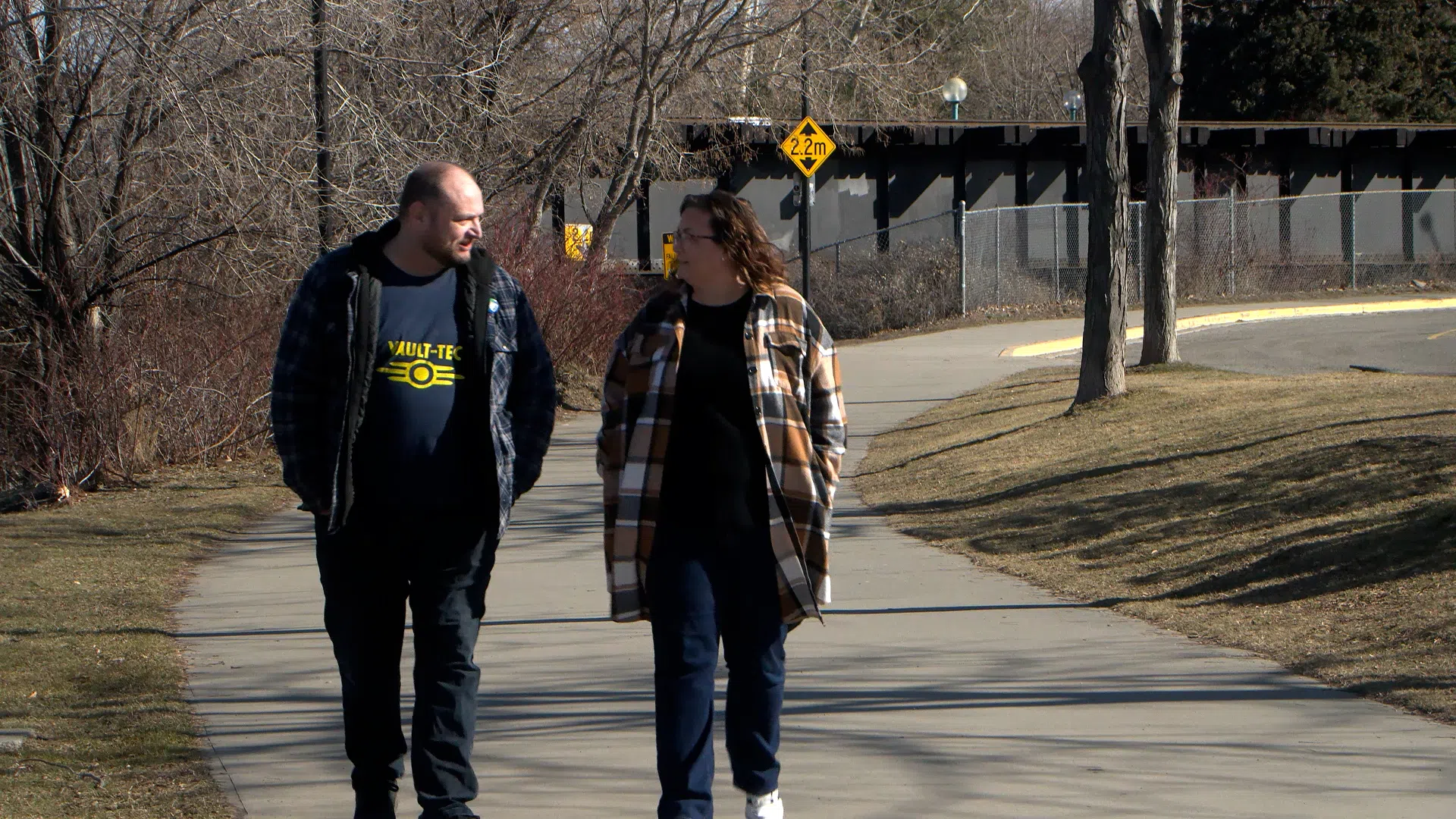
Justin Daniels and Heather Gates are both parents of children with autism. They’re worried the government is damaging the supports they rely on as parents.

“They’re trying to pit parents of disabled kids against parents of disabled kids, against parents of disabled kids in the same group. They’ve tiered the structure so that people who make less are going to do better. People who make more are going to do worse. They’re causing fighting there,” Daniels says. 

“I wish the government would look at everything and look at everybody and not just determine who is disability disabled enough for funding. I think every child, whatever their diagnosis is, whether it’s autism or it’s Down syndrome or it’s fetal alcohol syndrome, whatever it is, it doesn’t matter. They all deserve funding,” Gates says. 

For McBride, this is the culmination of years of work she hopes will have a positive impact.

“It’s about children’s well-being. It’s about family preservation. We want children to stay in their home, be successful, and go to the school closest to them, and this is an investment in that. And it does feel like they really did hear us,” McBride says.

There will be a slow implementation after consultation in the spring, with more decisions made in 2027.

“Over this next year, we’ll take that phased approach where we work with community providers and with families to make sure everybody understands what supports and services are available and how those will be delivered, in varying ways across communities,” Wickens says.