SOUND OFF: Community building is the missing middle in the food affordability crisis
-
Share on Facebook
-
Share on Bluesky
-
Share on X
- Copy Link
AS THE YEAR DRAWS TO A CLOSE, the all-too-familiar headlines pop up like clockwork: “Expect to pay more for groceries in the coming year,” and “Growing demand pushing food banks to the breaking point”. While headlines may be accurate, they don’t always tell the whole story.
Let’s shine some light on the truth that there is more to our food system than grocery stores for people with adequate means and the food bank for when we are struggling. There is a middle, represented by the idea that healthy, nutritious food should be available to everyone. In the spirit of the season, feel good about being part of a community of people who value your health and well-being, and are working to establish and empower a resilient food system to help and support one another.
Everybody deserves to eat, and it is incredibly consequential to the health and well-being of society to have people needlessly going hungry or otherwise unable to access nutritional food. Food Banks BC Hunger Report 2025 states 1.3 million people in British Columbia are facing food insecurity. While causes and contributors are complex, it is simply unacceptable to have over 24 per cent of the population struggling to eat in an abundant, resource-rich country like the one we have here. Rather than continuing to wait for help to arrive from above, we must recognize the change needed comes from the ground up.
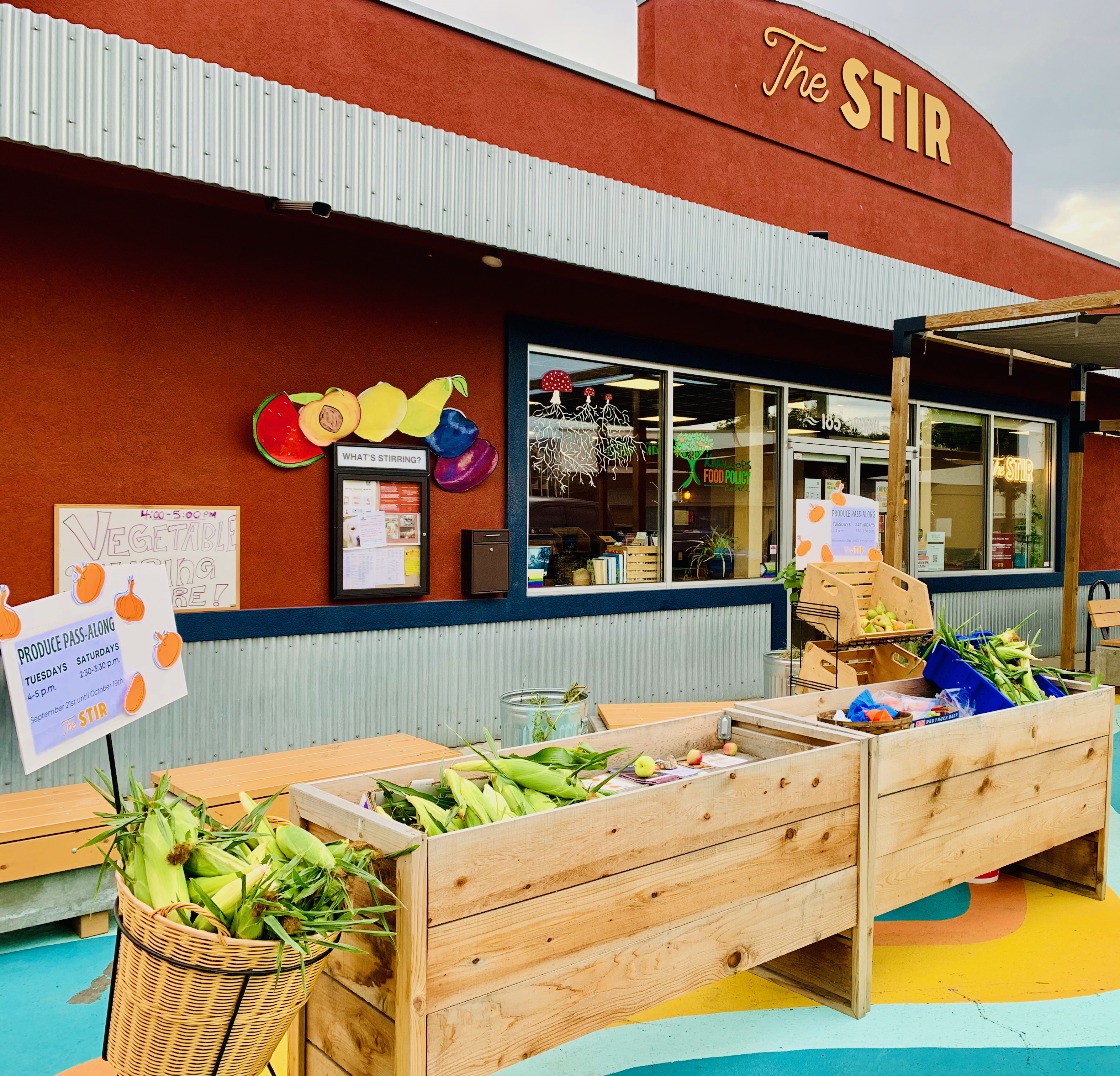
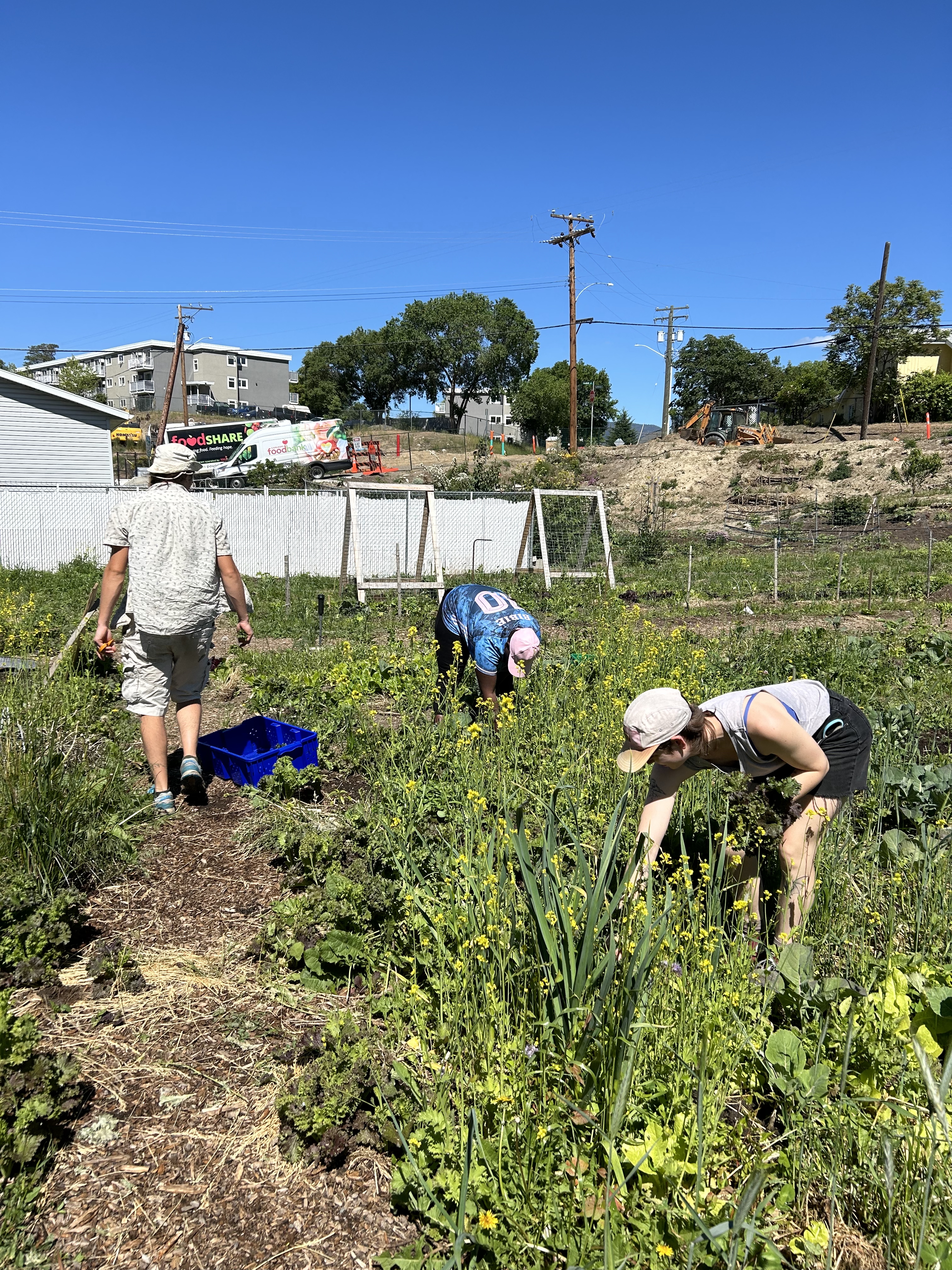
The Kamloops Food Policy Council has launched several programs over the years to address the missing middle with intention to establish a food commons that produces and provides healthy local food outside of the corporate industrial food system. Some programs have achieved more than others, but we are still falling short on one of the key objectives: to realize the possibility of common and community food in front of the normalization of food unaffordability and poverty.