Avian Flu

TNRD avian flu outbreak in ‘non-commercial and non-poultry’ operation: CFIA

Dec 4, 2025 | 11:11 AM

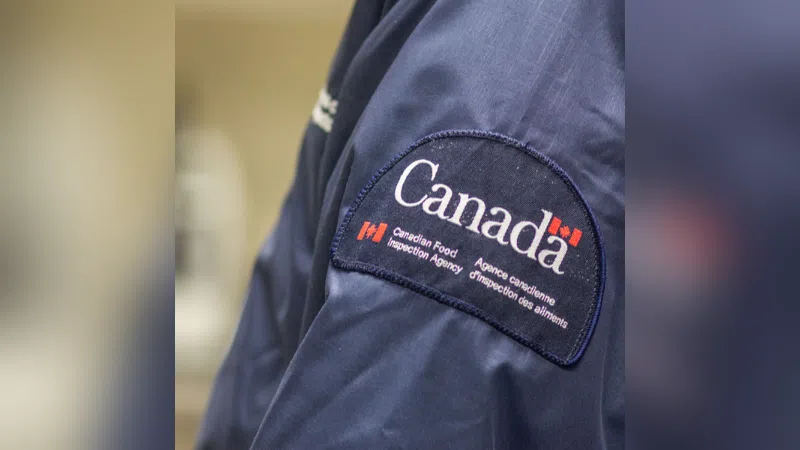
KAMLOOPS — The Canadian Food Inspection Agency (CFIA) says the Kamloops-area property where avian flu was detected last month is located in Electoral Area “L” of the Thompson-Nicola Regional District (TNRD).

The CFIA also told CFJC Today that it does not identify the affected operation to “protect the privacy of individual producers dealing with a significant setback.”

As CFIA spokesperson also confirmed to CFJC Today that the affected farm has been designated as a non-commercial, non-poultry operation as there are fewer than 1,000 birds and fewer than 300 anseriformes (for example, ducks and geese) involved.

“Typically, if an infected premises is categorized as non-commercial and non-poultry the operation is likely a small backyard flock or sanctuary, which does not sell or trade birds or bird products regularly off-site,” the CFIA statement said.

This TNRD outbreak, which was detected on Friday (Nov. 28) last week, was one of 17 avian flu outbreaks across British Columbia in the month of November, the vast majority of which have been in commercial poultry operations in the Fraser Valley.

Eleven of the 31 outbreaks since Oct. 14 have been in the City of Chilliwack. Eight others are in Abbotsford, four in Langley Township, two in the District of Summerland, and one each in Salmon Arm, Richmond, Pitt Meadows, the Regional District of Nanaimo, the Cariboo Regional District and the TNRD.

Five other outbreaks in January this year – all in the City of Abbotsford – are also no longer considered active.

This surge in avian influenza outbreaks come as the fall migration season for many birds takes flight. B.C. poultry flocks have been hard hit by the virus in recent years, with an estimated 8.8-million birds dying or being culled in the province.

According to the CFIA, avian influenza, commonly known as “bird flu”, is a contagious viral infection that affects several species of food-producing birds, as well as pet birds, wild birds and mammals.

People are asked to report all suspected cases of avian influenza in their flocks to the CFIA. People who come across sick or dead wild birds are asked to call the provincial Wild Bird Reporting Line at 1-866-431-2473 or the Canadian Wildlife Health Cooperative.

– With files from The Canadian Press