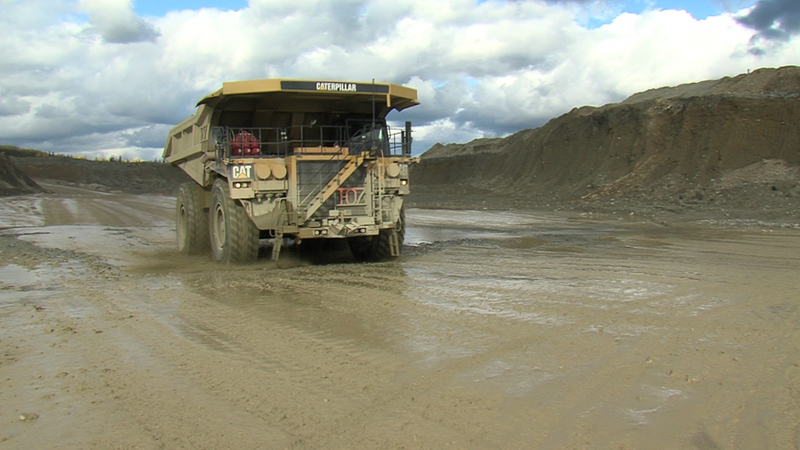
File Photo (Image Credit: CKPG Today)
Sound Off

SOUND OFF: How Kamloops’ mining legacy can power the rise of titanium

Aug 19, 2025 | 6:00 AM

KAMLOOPS’ HISTORY has always been closely linked to the ground beneath our feet. From the gold rushes of the 1800s to the copper and coal operations that shaped much of the 20th century, mining is part of the city’s identity, creating jobs, attracting residents and fueling local infrastructure.

Today, the landscape is changing, and mining activities around Kamloops are reduced to the New Afton Mine and, a little further away, Highland Valley Copper mine. However, Kamloops’ heritage in minerals and metals means it is positioned to play a key role in the next chapter of resource development – the rise of titanium as a critical mineral powering modern technology.

A mining town at heart

Kamloops’ mining story is long and varied. Over the centuries, the region has seen everything from underground hard-rock mines to open-pit operations. Prosperity and challenges always come in cycles, but each phase has left behind valuable infrastructure and expertise. These include rail links, highways, industrial land and perhaps most important of all, a skilled workforce that is comfortable with resource-based industries.

Even though mining operations have reduced significantly since the boom of the mid-20th century, the industrial DNA of Kamloops remains. Machine shops, fabrication facilities, engineering firms and service companies still cater to BC’s broader mining sector. But they also place Kamloops in an ideal posture to be at the forefront of the titanium age.

The rise of titanium

Titanium has hit the headlines in relatively recent years, but it is no newcomer to the periodic table. It was discovered in the late 1700s by English geologist William Gregor. However, applications were limited until recent years, when its importance has skyrocketed. Its unique combination of light weight, exceptional strength and resistance to corrosion has driven demand for titanium metal supply across a host of industries. Just a few examples include the following:

  • Aerospace – Aircraft frames, jet engines and spacecraft rely on titanium alloys to stay strong yet light.
  • Medical devices – Hip replacements, dental implants and surgical tools use titanium because the human body tolerates it well.
  • Clean energy – Wind turbine components, hydrogen storage systems and electric vehicle parts depend on titanium’s durability.
  • Military and defence – Armour, submarines and advanced weapon systems all incorporate titanium.

As a result, governments — and in particular the Canadian government — now classify titanium as a critical mineral, recognizing it as essential to national security and economic competitiveness.

Kamloops role in Canada’s titanium footprint

Canada is already a significant player in the titanium world. The Lac Tio mine in Quebec is the largest mine for titanium ore on the planet and Canadian research institutions are working on cleaner, more efficient processing techniques.

There is no titanium production in British Columbia at present, but that doesn’t prevent Kamloops from supporting titanium-related manufacturing, machining and fabrication. It comes down to a combination of heritage, infrastructure and opportunity. Kamloops has generations of experience in resource extraction, equipment maintenance and heavy industry. These are all skills that translate directly to working with titanium. Furthermore, the city’s location at the crossroads of major highways and rail lines makes it a natural hub for moving raw materials and finished components.

Opportunities for future development

Thompson Rivers University offers trades training and could easily expand into advanced manufacturing and metallurgy programs that support titanium-based industries. Similarly, Kamloops’ industrial parks and fabrication shops could serve as home for companies that machine titanium parts or supply tools, lubricants and coatings for titanium manufacturing.

Titanium’s path from ore to aerospace-grade alloy is a far cry from the gold-panning days of the Thompson River. However, the underlying principles are the same. It’s all about extracting value from the Earth and transforming it into something with global reach.

In the 19th century, Kamloops miners sent gold and copper far beyond BC’s borders. In the 21st century, the city could just as easily be home to a shop turning titanium stock into precision aerospace components or medical implants bound for markets around the world.

That transformation will not happen overnight, but there are clear steps local industry could take to plug into the titanium economy. These include partnering with exploration companies, investing in advanced machining capabilities and leveraging government programs like NRC IRAP or BC’s Innovator Skills Initiative to support small businesses entering advanced manufacturing.

In short, the tools might have changed, but the spirit of innovation and resilience remains. Titanium might well be the next chapter in a story Kamloops has been telling for over a century.

——

Editor’s Note: This opinion piece reflects the views of its author, and does not necessarily represent the views of CFJC Today or Pattison Media.