(Image Credit: Kent Simmonds/CFJC Today)
No More Time Change

‘Surreal that it’s here’: Kamloopsian Holmes reacts as B.C. prepares for new, year-round daylight time zone

Oct 30, 2026 | 6:24 PM

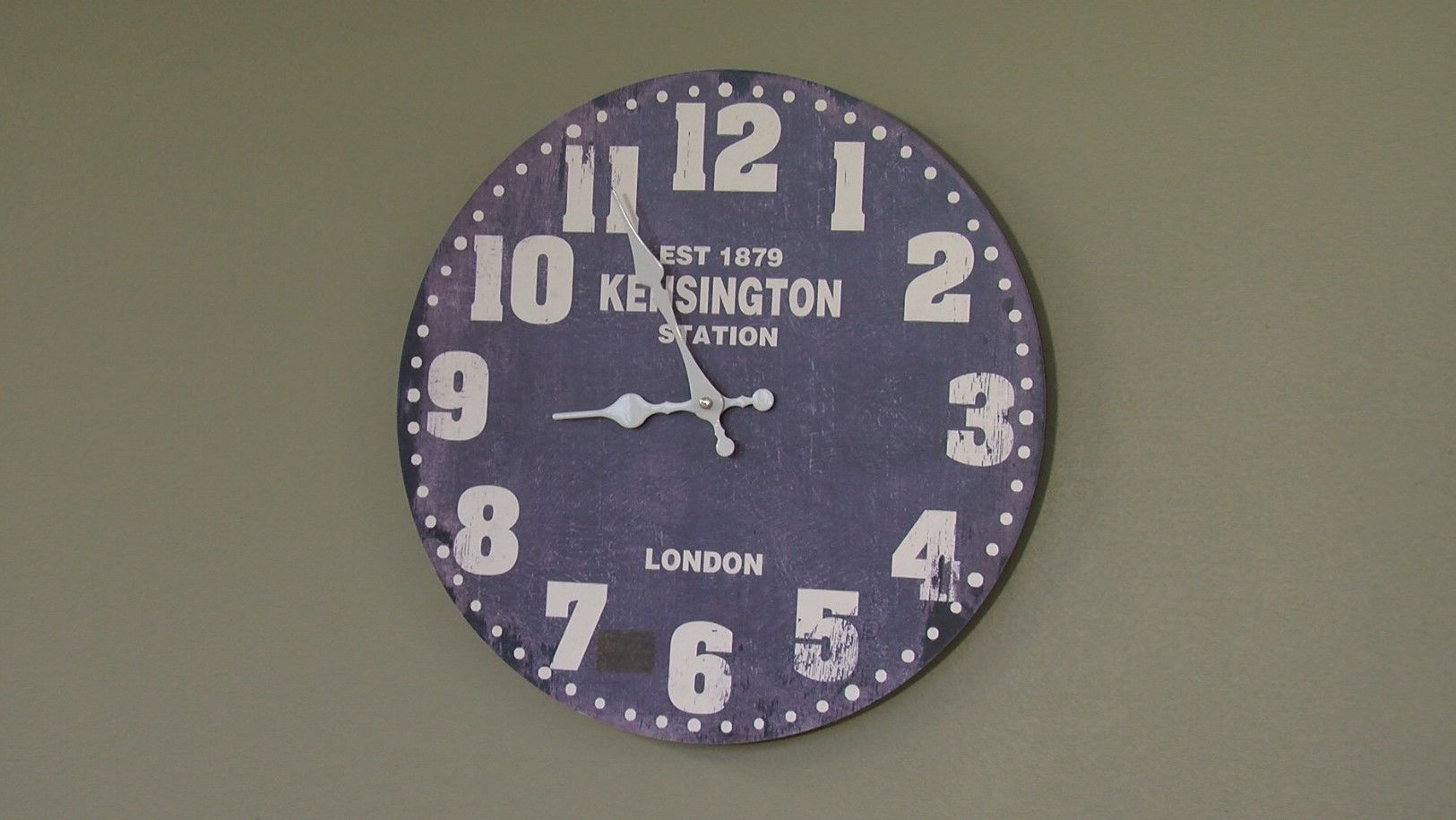
KAMLOOPS — It’s been a long time coming as for the first time in years, a majority of B.C. residents won’t be falling back in time this Sunday (Nov. 1), after the province moved to end the twice-yearly time change several months ago.


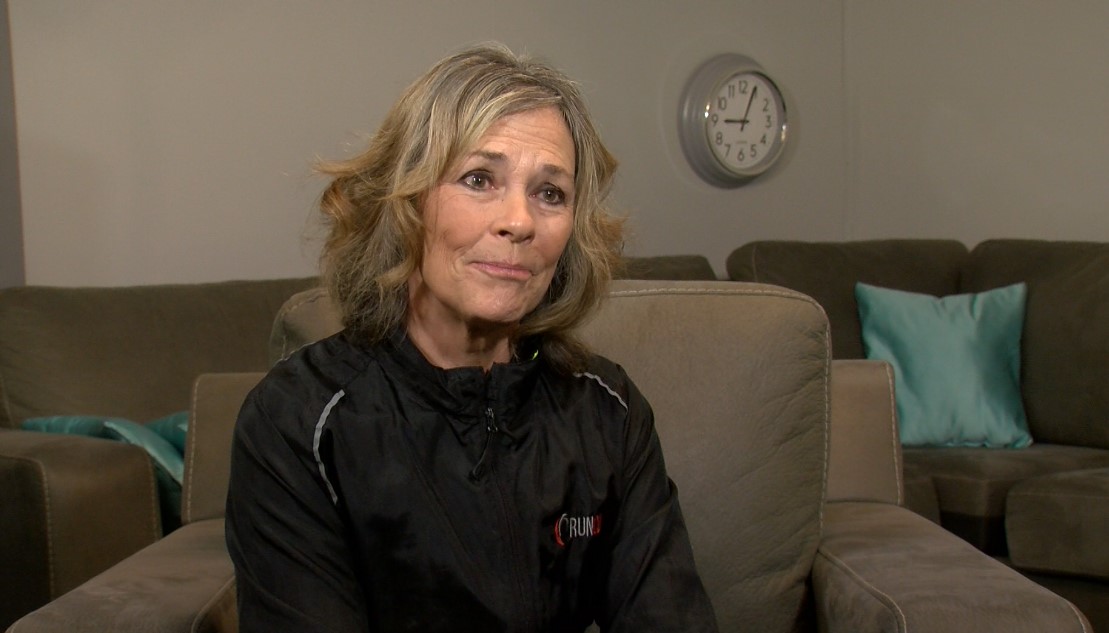
Tara Holmes with Stop The Time Change has been waiting for this moment, as she’s been spearheading efforts to stop the twice-yearly time change in British Columbia. That dream is now a reality.

“I was thinking about my co-founder Bob Dieno and how many years we’ve waited for this night where we don’t actually touch our clocks,” Holmes said. “It’s kind of surreal that it’s here, and I see that it’s happening across Canada now.”

Most of B.C., as well as Alberta, Manitoba and the Northwest Territories will ditch the time change, joining Yukon and Saskatchewan. Most of Ontario, Quebec, the Atlantic provinces and Nunavut will still fall back this year, but there are signs that other jurisdictions will move soon to stop adjusting their clocks.

There will be a bit of an adjustment period around business, commerce, travel and sporting events when the change takes effect in B.C., but Holmes said that was to be expected.

“Alberta is an hour ahead of us, Ontario is in a different time zone but we do business 24/7 now online so people will get it figured out,” Holmes said. “When they do their Team’s calls it’s automatically going to fix it for you, and yeah there might be some little kinks and adjustments to work out.”

“I also think of Creston and Cranbrook all these years. They are literally right next door to each other and Creston doesn’t touch their clocks, and they’ve obviously gotten used to that [so] I think in a couple of years we won’t even talk about it any more.”

On Sunday, B.C. will officially move to the new Pacific Time Zone or PCT, with year-round daylight time. It’ll mean more light in the afternoon, but darker mornings.

“I’m a big fan of it,” one Kamloops resident told CFJC. “I definitely don’t think the daylight bothers me too much but then again I’m that weird person that gets up at 5:00 a.m. in the morning so I’m pretty accustomed to daylight not being the thing that gets me up in the morning.”

“It’s not necessary,” said another. “I don’t know where it came from but to be rid of it, it takes a lot of pressure of most of the people.”

“More sleep the better, but I mean less sleep…I don’t know,” added third. “It is what it is.”

While afternoon daylight could mean people are more active and social after work and school, health experts caution the human body’s internal clock needs morning light, which will be at a premium especially in the depths of December and January.

“Permanent DST doesn’t necessarily align with our internal body clock the way that it naturally works so it has a longer-term impact on our mental wellness, on our sleep disruption and on our general wellness,” Dr. Fatemeh Sabet, a medical health officer with Interior Health said.

“That’s in addition to the permanent impact or permanent risk that it can have for injuries because of the travel in the dark.”

Sabet said both permanent standard time and permanent daylight time have pros and cons, noting what time to stick with has been a point of debate for years. She said while evidence shows that keeping permanent standard time would have still meant an adjustment for the human body, but there would have been “more health benefits” compared to staying with permanent daylight saving time.

“We don’t have a conclusion over for example the economic impacts of the change or how adjusting the clocks would impact performance in schools but this is the change that has happened and we need to be aware of the risks,” Sabet said.

“What is important for us to know is what are the risks and how can we mitigate those risks. For example, the impact on our sleep can be mitigated by going to bed and waking up at the same time and trying to be exposed to natural daylight as much as possible.”

Tara Holmes
Tara Holmes (Image Credit: Kent Simmonds/CFJC Today)

Holmes said while she understands those concerns, clocks have been set to daylight time for about eight months of the year and standard time for the other four.

“I did reach out to the superintendent in Fort St. John, where they stopped changing the clocks in 1974,” Holmes said. “They’ll soon be on the same as we are and its a lot darker there, and so I asked him ‘what’s it like for parents and school in the morning?’ and he said ‘we don’t even talk about it.'”

“He seemed quite surprised by my question because we’re making a big deal out of it here.”

Holmes also said she isn’t aware of many parents rushing to get their children to play outside in the morning before school. She said many do play after school, adding the extra afternoon light will prove to be useful there.

“It’s only four months that we were falling back and two of the darkest weeks are Christmas break, so we can look at that and I think in time, it’ll be just fine,” Holmes said.

As for concerns around injuries, Holmes also noted there are steps pedestrians can take to mitigate those risks. That includes wearing bright or light-coloured clothes with lights or reflective strips, Failing that, she said to carry a flashlight or use the one on cellphones.

“I notice people walk their dogs and they dress those little dogs up like a Christmas tree, but they leave themselves all in black,” Holmes lamented. “We need to take accountability, and it’s not just on the motorists.”

“Whether it’s 7:30 a.m. and its dark or its 7:30 p.m. you should not be out in dark clothing. I want to start seeing pedestrians lit up.”