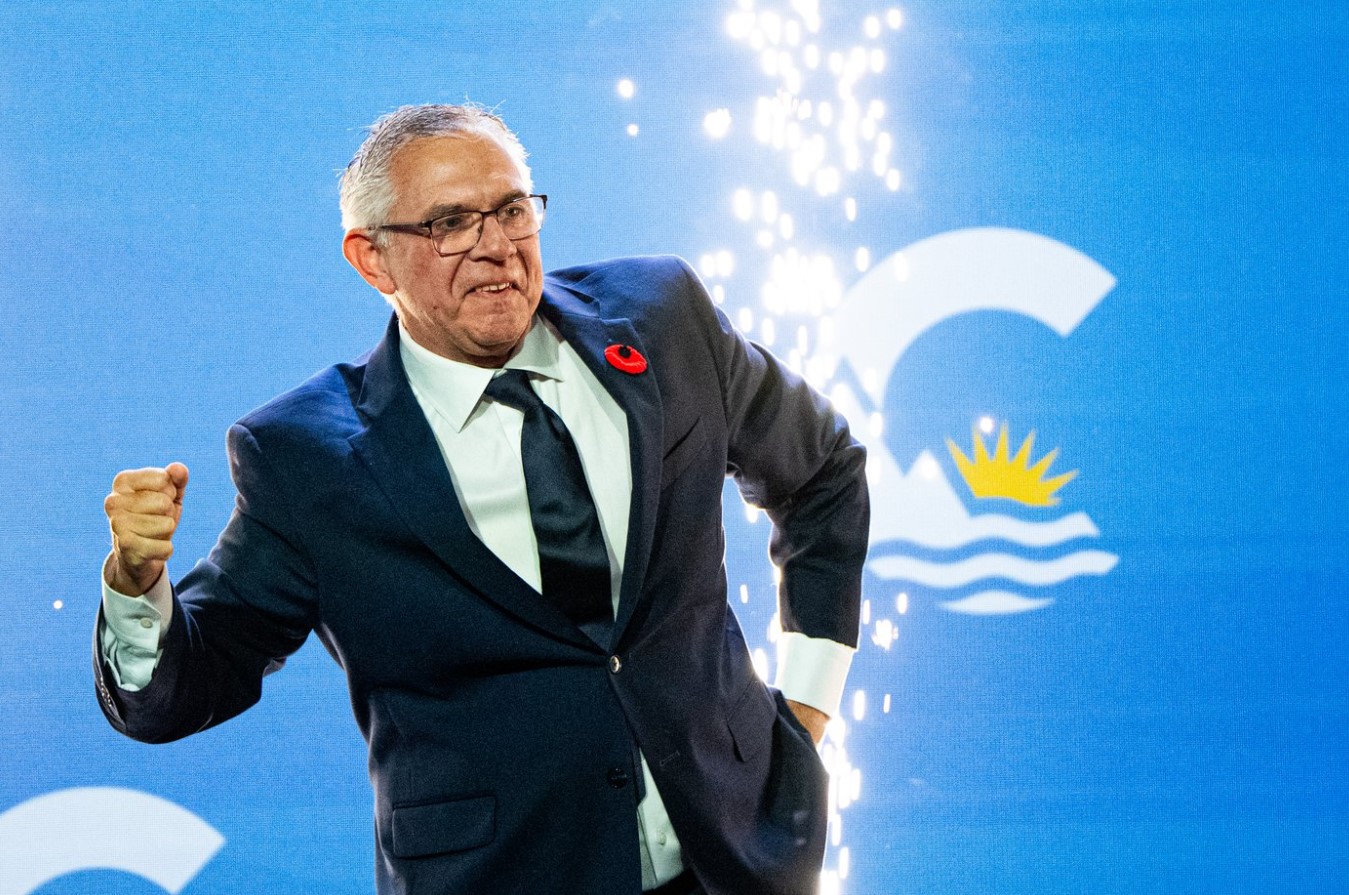
B.C. Conservative interim Leader Lorne Doerkson celebrates on stage during provincial election night in Vancouver, on Saturday, Oct. 24, 2026.THE CANADIAN PRESS/Ethan Cairns
B.C. Election 2026

B.C. turns blue: Conservatives win majority, with Cariboo MLA Lorne Doerkson to be premier

Oct 24, 2026 | 11:25 PM

VANCOUVER — Just over five weeks ago, Lorne Doerkson was an obscure British Columbia legislator whose party was falling apart at the seams.

The MLA for Cariboo-Chilcotin is now set to become premier at the head of a majority government, soundly defeating the New Democrats in Saturday’s snap election that backfired spectacularly on outgoing Premier David Eby, who announced his resignation as NDP leader.

It took a little over an hour after polls closed at 8 p.m. for The Canadian Press decision desk to call the race, underscoring the stunning nature of Doerkson’s win.

The Conservatives had won or were leading in about two-thirds of the province’s 93 ridings about three hours after the polls closed.

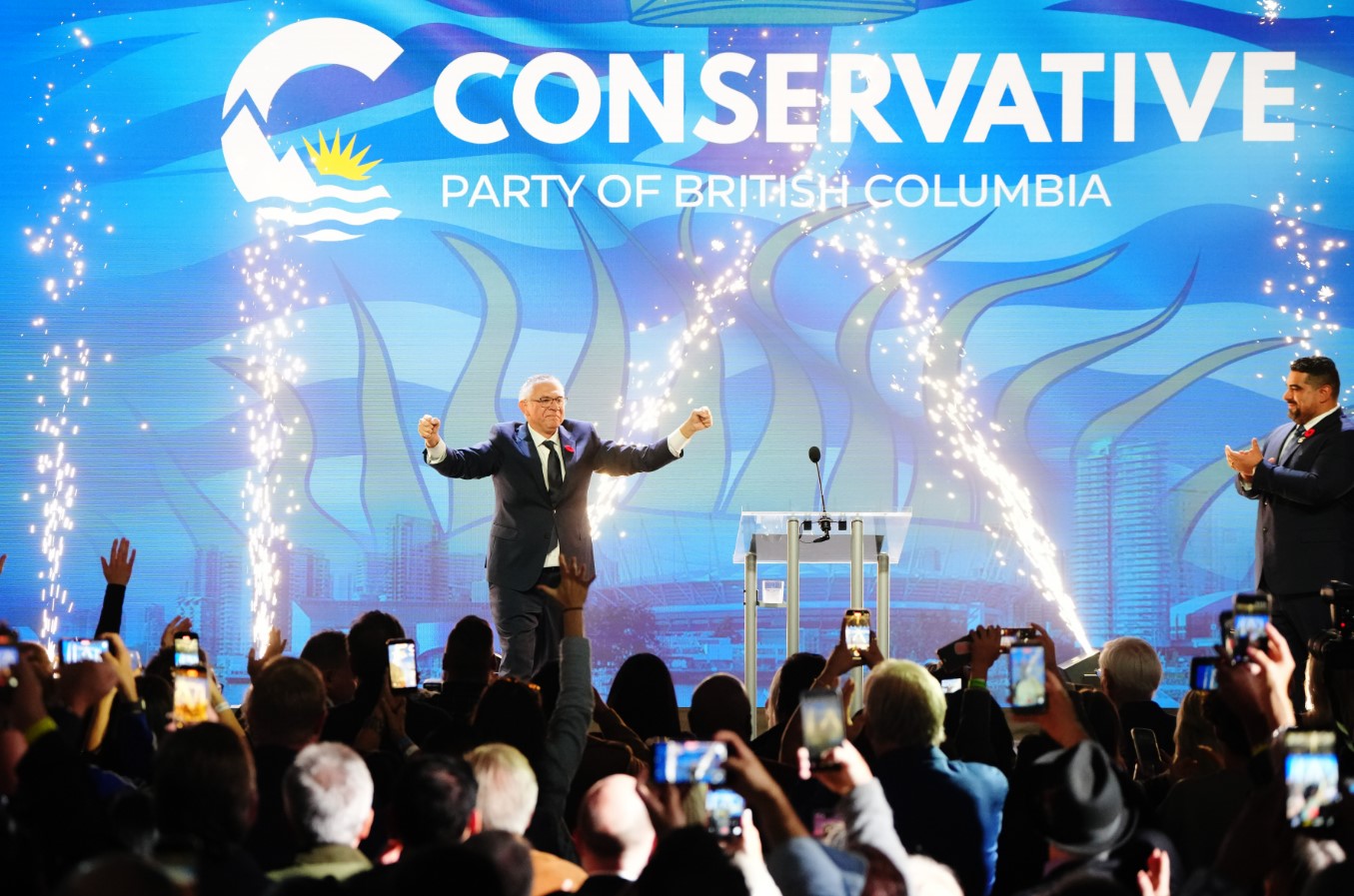
He said in a victory speech set to fireworks and Fleetwood Mac’s “Don’t Stop” that “B.C. is definitely blue.”

Doerkson said he would do everything in his power to get the province “back on track.”

“Together our best days are still ahead of us my friends,” he told supporters at a party in Vancouver, adding that he would follow through on a promise to “supercharge” the province, his voice cracking as he said serving as premier would be the honour of his lifetime.

B.C. Conservative interim Leader Lorne Doerkson arrives to address supporters on election night, in Vancouver, on Saturday, Oct. 24, 2026. THE CANADIAN PRESS/Ethan Cairns

Doerkson, 58, returned from a trip to Africa and assumed the interim leadership of the Conservatives on Sept. 20, Kerry-Lynne Findlay having resigned after a tumultuous four-month reign.

He took over a party that had been losing legislators at a frantic pace, amid concerns about Findlay’s strategies and what one defector, Bruce Banman, called ideological “purity tests.”

After the 2024 election, the party had 44 legislators and was within three ridings of government, but their ranks had dwindled into the 20s by the time Doerkson took charge.

He swiftly wooed disgruntled Conservatives back to the fold, including seven out of the eight legislators who had announced days earlier they were joining the CentreBC party.

Just two days after Doerkson’s elevation, Eby called the snap election that he initially said was needed to tackle the challenge posed by U.S. President Donald Trump; he would later pivot to say the election was needed to overcome the frustrations of governing with a one-seat majority.

Whatever the reason, the election call was the biggest gamble of Eby’s political career, and it would ultimately cut short his premiership of less than four years.

Former federal Conservative cabinet minister Stockwell Day said at the B.C. Conservatives’ election night party in Vancouver that people “just want back to normal” and British Columbians were going to get “a well-deserved break from radical politics.”

“I think the other part of the strategy was just stand back and let Mr. Eby keep talking, and it seems to have worked,” he said.

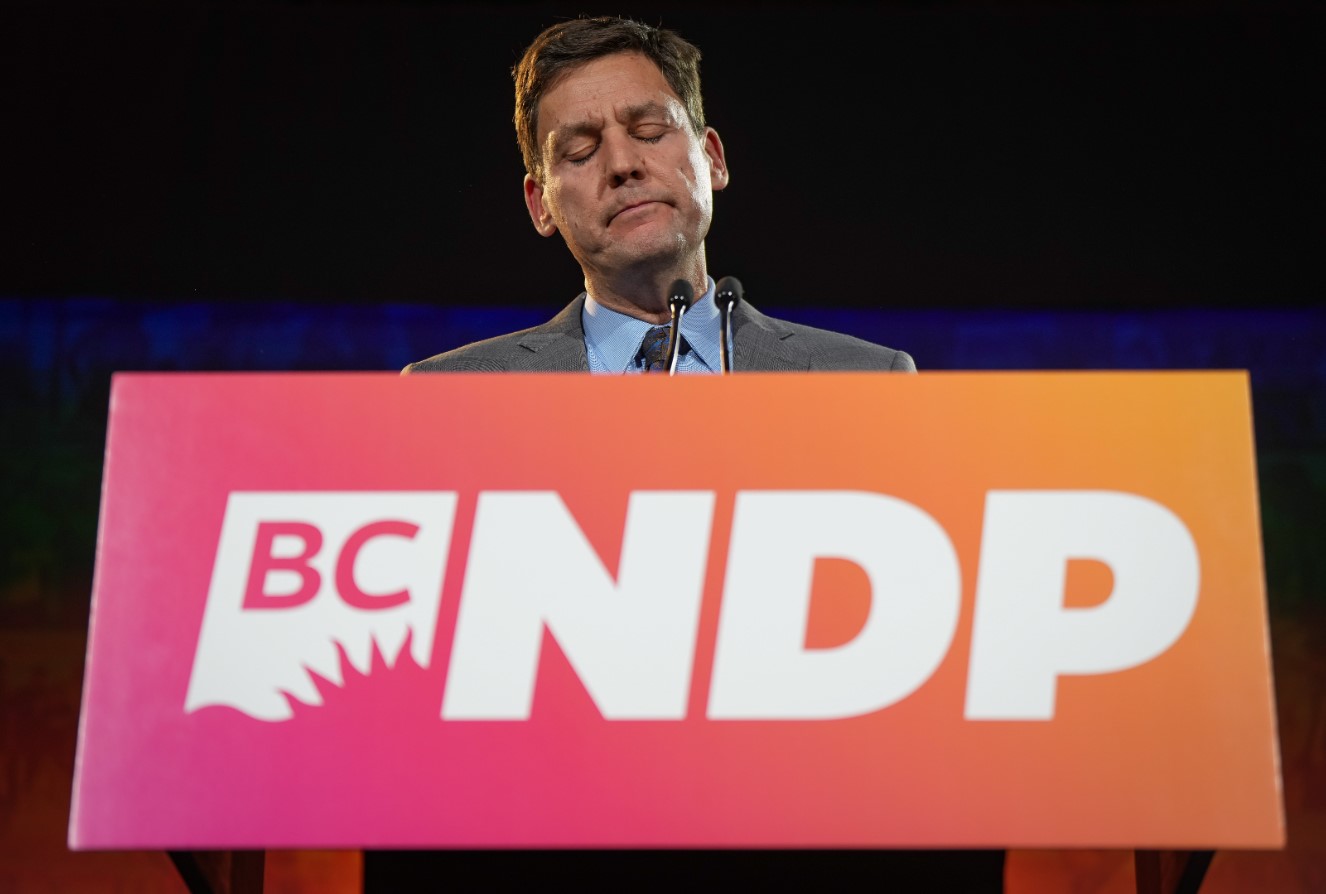
Eby told his disconsolate supporters in Vancouver that he had called Doerkson to concede and offer his congratulations.

“The people of B.C. have asked us to be the official Opposition which is obviously not the result that any of us wanted,” Eby said. “It breaks my heart and I accept full responsibly for that outcome.”

Doerkson was gracious in victory.

He told his supporters that Eby had “given to the province for years,” a remark that was greeted with warm applause.

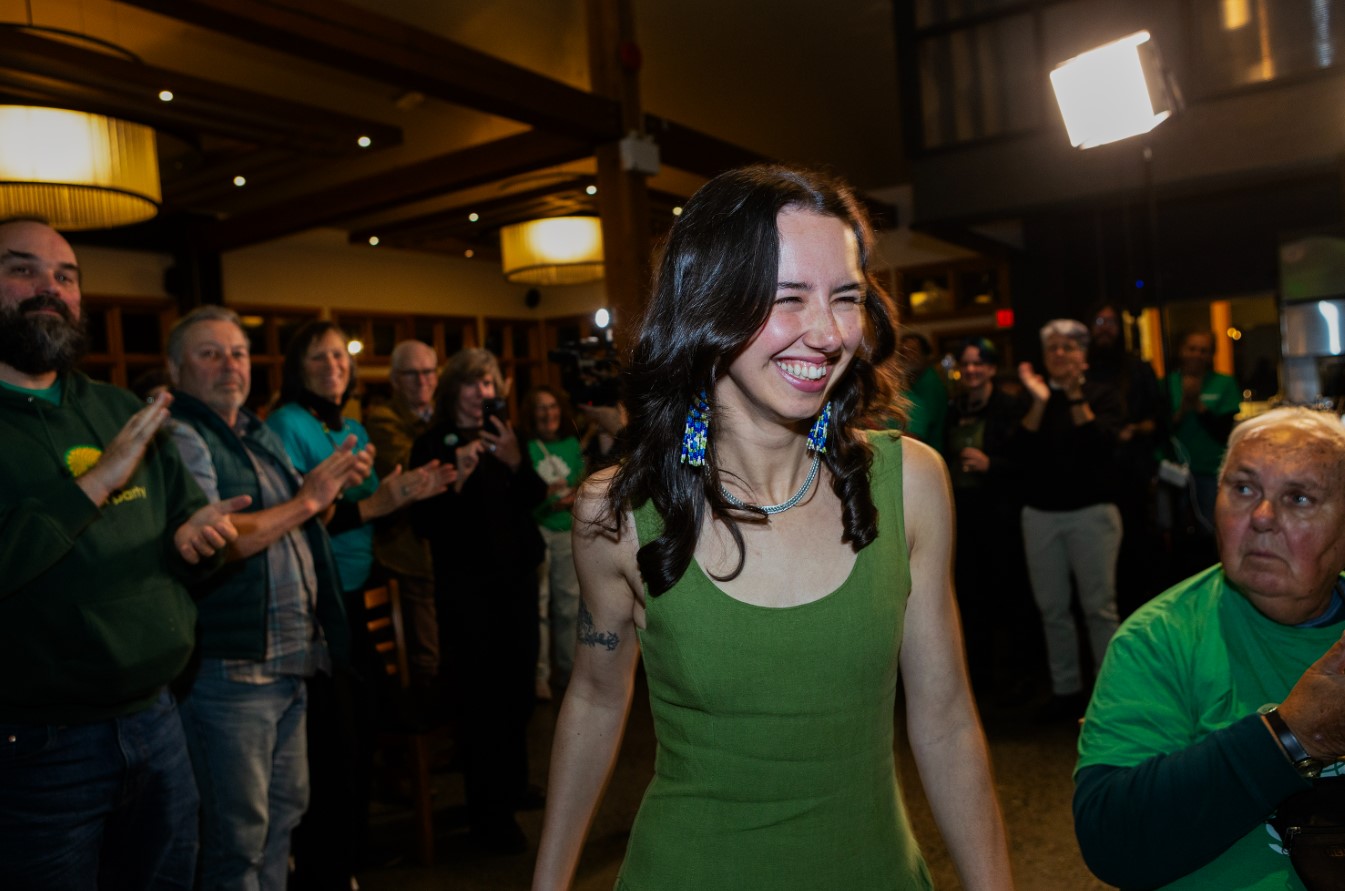
Doerkson also congratulated BC Green Leader Emily Lowan, who won her bid for a place in the legislature, and said British Columbians could be “grateful for her passion.”

Polls had consistently put the Conservatives ahead throughout the campaign.

Doerkson campaigned on his vow to supercharge the economy, pledging to bring down the record deficit with the help of growth his platform forecast to reach 3.2 per cent, a prediction Eby and other critics suggested was optimistic at best.

He promised no tax increases and to raise B.C.’s basic personal income tax exemption from $13,216 to $32,000, resulting in a $1,000 tax cut for most individual workers.

But he said his top priority would be repealing the Declaration on the Rights of Indigenous Peoples Act, and he also promised to end sexual orientation and gender identity guidelines for schools.

The NDP promised a new tax bracket for those making more than $1 million to help fund health care, price caps on some basic groceries and a training program for international medical graduates already living in B.C.

B.C. NDP Leader David Eby resigns in a speech to supporters on election night, in Vancouver, on Saturday, Oct. 24, 2026. THE CANADIAN PRESS/Darryl Dyck

Eby promised more before- and after-school spaces, but was criticized for having two children in coveted $10-a-day daycare spots. He said he and his wife paid to make up the difference with the previous cost.

Both parties singled out Surrey, B.C.’s second-largest city, for special attention, pledging new hospitals and a SkyTrain extension for the region.

The Conservatives were the only party to initially field a full slate of 93 candidates this election but tossed two candidates for online remarks, one commenting about Hitler and the other saying the driver of a car that rammed a pro-Palestinian protest should have “reversed too.”

Doerkson acted quickly to disavow them.

But he stood by Conservative campaign director Katy Merrifield, who Eby said should have been removed over social media posts that included describing Islam as an “abhorrent ideology.” Doerkson defended her as a survivor of sexual assault who commented out of anger.

The legislature at dissolution consisted of 47 New Democrats, 29 Conservatives, two Greens, and 13 Independents, with two vacant seats.

But that did not take into account that most of the nominal Independents were Conservatives who returned to the party after Doerkson became interim leader. They may not all have been reflected in the official numbers, but the Conservatives went into the election holding about 37 seats.

The election win caps a remarkable rise not just for Doerkson but for the B.C. Conservatives, whose last premier, Simon Fraser Tolmie, was elected in 1928.

As recently as the 2020 election, the party received less than two per cent of the vote, but the collapse of BC United, formerly known as the B.C. Liberals, paved the way for its rise to official opposition status and now government.

Questions remain about Doerkson’s status as an interim leader, since the Conservative constitution prohibits interim leaders seeking the position permanently, with constitutional changes requiring the support of a two-thirds majority of members.

The party has said it would “pursue the appropriate means under the party’s constitution and bylaws and the Societies Act” to keep Doerkson on as leader.

The Conservative win ends nine years of NDP government that began under the late John Horgan, before he stepped aside and Eby won the NDP leadership in 2022.

His tenure was not smooth.

He inherited a budget surplus from Horgan but the province is now facing a $14 billion projected deficit this year.

B.C. Green Party Leader Emily Lowan arrives to address supporters on election night in Brentwood Bay, B.C., on Saturday, Oct. 24, 2026. THE CANADIAN PRESS/Chad Hipolito

Eby eked out a slim win over the Conservatives in the 2024 election, but faced pressure over health care, law and order, a failed drug decriminalization project, and legal challenges related to Indigenous rights.

In the final week of the campaign, his party trailing in opinion polls, Eby appealed to Green supporters, asking them to consider voting NDP to avoid splitting the vote and helping the Conservatives.

He faced criticism over the early election call, with a campaign period that overlapped with the Oct. 17 municipal elections.

“It’s very clear that they just want to do it before the Conservatives get it all together,” said Queena Li, a student voting on Saturday in Eby’s riding of Vancouver-Point Grey.

Eby said on Friday his biggest regret of the campaign was failing to explain to B.C. that he called the election due to the difficulties of working with a bare majority in a “stalled out” legislature.

He must now be regretting that he called it at all.

This report by The Canadian Press was first published Oct. 24, 2026

— With files by Nono Shen in Brentwood Bay and Ashley Joannou in Vancouver

Brenna Owen and Wolfgang Depner, The Canadian Press