WATCH LIVE: CFJC-TV presents the 2026 Kamloops mayoral candidates' debate at 7:00 p.m. tonight.
Candidate Profile

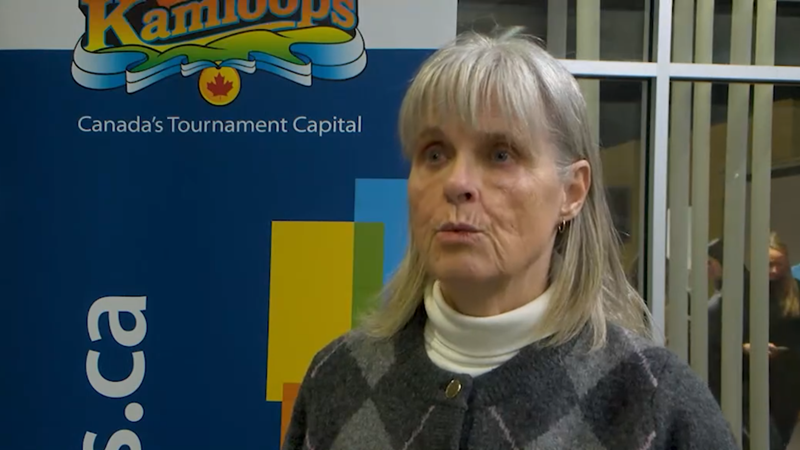
CANDIDATE PROFILE: Kathrine Blair-Wunderlich

Oct 8, 2026 | 10:36 AM

Ahead of the Oct. 17 municipal election, CFJC Today asked candidates for Kamloops City Council to complete a questionnaire, offering voters the chance to evaluate their candidacies. 

QUESTIONNAIRE: 

Describe yourself, your professional background, and why you’re running for public office in Kamloops? 

I am a community advocate, labour relations professional, instructor, negotiator and political organizer with decades of experience holding institutions accountable and championing ordinary people. 

I am running to bring accountability, transparency and a strong public voice to city hall. 

What do you think is the biggest issue facing the City of Kamloops and how would you use your elected position to address it? 

I believe the biggest issue facing Kamloops is restoring public confidence in city hall. People need to know where their tax dollars are going, how and why decisions are being made. 

As a councillor, I will ask the tough questions, push for open and honest reporting on spending, debt and major projects, and make sure residents have a voice before major decisions are made. Trust is earned, and I plan to earn it by listening, being transparent, and remembering that I work for the people of Kamloops. 

Following a term highlighted by infighting and tension at city hall that impacted Kamloops’ public image, how would you ensure civil discourse and good governance would take place between yourself, fellow elected officials and city staff? 

My background has prepared me to handle conflict. I spent many years in labour relations and Human Resources, sitting across the table from people I strongly disagreed with and still finding a way forward. I have learned that you do not have to agree to work together. I will be respectful, professional, and direct, and I expect the same in return. Council needs to focus less on personalities and more on doing the work we are elected to do for the people of Kamloops. As well, I understand the frustration of those who take the time to attend council meetings to engage in the democratic process, only to feel unheard, ignored or shut out, and whose frustration sometimes boils over. I can feel their struggle and will not take it personally. 

Considering recent years of large municipal tax increases in Kamloops, how would you address the city’s tax rate going forward? 

People cannot keep absorbing large tax increases year after year. My priority would be to get city spending under control before asking taxpayers for more. That means reviewing administration costs, staffing, consultants, travel, and discretionary spending, while protecting the core services people rely on and finding partners to share costs without losing or compromising public assets or public jobs.  

I would also take a hard look at our debt, rebuild our reserves, and make sure we plan for what we can actually afford. Every dollar we spend comes from someone’s pocket, and I think council needs to remember that when making budget decisions. 

As major infrastructure projects are on the horizon in Kamloops, how would you prefer the city go about gaining the electorate’s approval – via referendum or the alternative approval process (AAP)? Why? 

I believe there is a place for the AAP, but it should be used primarily for necessary core infrastructure, such as water, sewer, roads and other essential services. For major discretionary projects involving significant long-term borrowing, I believe residents should have a direct vote through a referendum. 

My concern with the arts centre was never simply the project itself. It was the process. The arts centre was originally going to a referendum, but that vote never happened. Borrowing was later approved through an AAP in the summer, with little information provided directly to the public via a mailer. Many of our citizens are not on Facebook or don’t own computers and were left out of the process. 

Going forward, I would support developing clear criteria for when an AAP can be used and when a referendum is required, along with clear policies on communication methods, such as a paper mailer sent to all AAPs and referenda. I would also add that a traditional town hall meeting should be held so the public can ask questions and receive the same answers in real time. When we ask taxpayers to take on major long-term debt for a discretionary project, I believe they deserve a clear and direct voice in that decision. 

What are your thoughts on communication between the City of Kamloops and its residents? Are there areas of improvement you’d like to see? 

I think communication has to be a two-way street. We need to give people meaningful opportunities to be heard before decisions are made. Facebook posts and the city’s website are not sufficient. 

I would like to see quarterly real town hall meetings where residents can ask questions and receive answers, greater use of public polls on important issues, and volunteer committees that bring residents directly into the process. I would also support a committee that brings together representatives from all our neighbourhood associations, so council regularly hears what is happening across Kamloops. I support mayor hopeful Nelly Dever’s platform for real-time reporting, the loop-line.