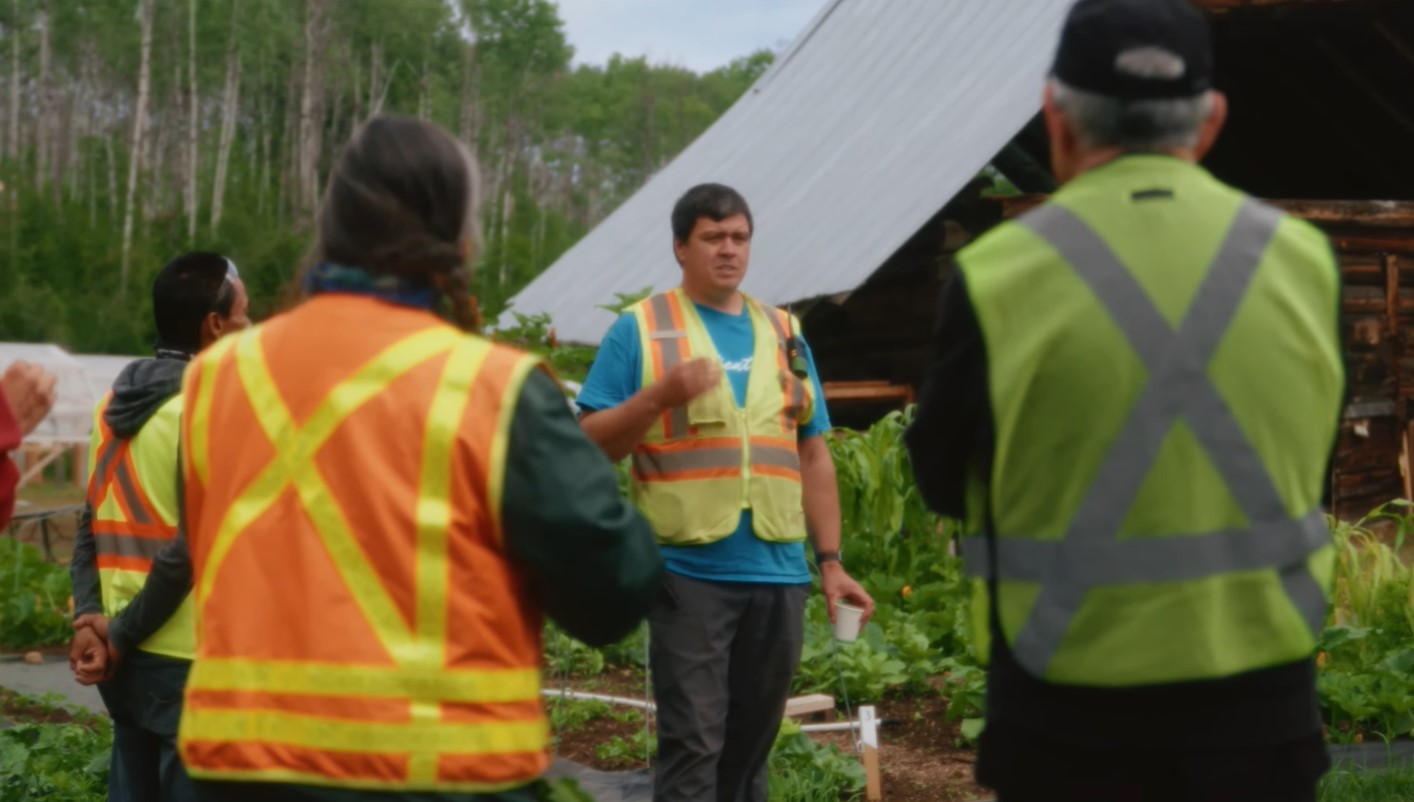
Screengrab from the trailer for Tea Creek, which will be screened Friday (Sept. 25) evening. (Image Credit: The Dene Collective/YouTube)
Indigenous Film Festival

Fifth annual Indigenous Film Festival to take over Paramount Theatre in Kamloops this weekend

Sep 25, 2026 | 5:11 PM

KAMLOOPS — Indigenous stories will be featured on the silver screen this weekend as the fifth annual Stseptékwles re Sk’elép (Coyote Stories) Indigenous Film Festival takes over Paramount Theatre in downtown Kamloops.


This year’s festival, which runs Sept. 25 to 27, comes just ahead of National Day of Truth and Reconciliation, and its part of the Kamloops Film Society’s effort to showcase Indigenous voices and stories.

“It is important to share those Indigenous stories and show the breath and diversity of the Indigenous film area and that people can come together and connect and share those stories,” Laura Michel, Indigenous Film Festival Committee member and Kamloops Film Society Board member, said.

“There will be a variety of films, and it’s not just films, but also community events as well.”

This year’s festival will get underway Friday (Sept. 25) with a screening of Tea Creek. It recounts how Jacob Beaton and his family worked to transform an abandoned farm in Kitwanga in northern B.C. into a bustling operation.

The 2024 film covers themes like indigenous food sovereignty, colonization, and connection to the land.

“I didn’t realize that by buying land I was committing essentially an act of resistance that First Nations weren’t allowed to own land, especially food producing land in Canada for a very long time, that it was removed through legislation and policy,” Beaton said.

“I’ve always wanted to be back on the land and it was always a dream to own some land and the movie is the best telling and experience of Tea Creek without being there, so I tell people if you cant come, watch the film. It’s a very authentic portrayal of our story, our journey and how it feels to be there.”

Beaton told CFJC Today he hopes his story inspires other First Nations people across Canada.

“In one nation where they screened the film, I went there and they said they had started six gardens in their community,” Beaton recalled. “That’s more than I had hoped or dreamed of when got going on this.”

“Also, I thought it would Indigenous Canadians that would be the main audience, but I’ve been really impressed and blown away by how its resonated with our every day Canadian, not just here but internationally as well.”

Saturday evening’s feature – Mārama – is a Māori gothic horror set in Victorian England in 1859. It tells the story about a young Māori woman who seeks out and confronts the man responsible for murdering her family.

“The inspiration for this story, bluntly, is my mother,” writer and director Taratoa Stappard said. “It’s a horrific story and it’s not based on anything that happened to any of my family members. More generally, it’s around colonization of Aotearoa, New Zealand by the British. It’s around cultural appropriation and it’s around the search for identity.”

Mārama debuted at the Toronto Film Festival in 2025, and it has earned rave reviews at film festivals around the world. Stappard is hoping that audiences in Kamloops, especially Indigenous audiences, will relate to some of the film’s themes.

“That’s the audience I’m most interested in touching because of an obvious shared experience of either colonization or overbearing patriarchal power structures that tend to silence or cut out indigenous communities,” Stappard added.

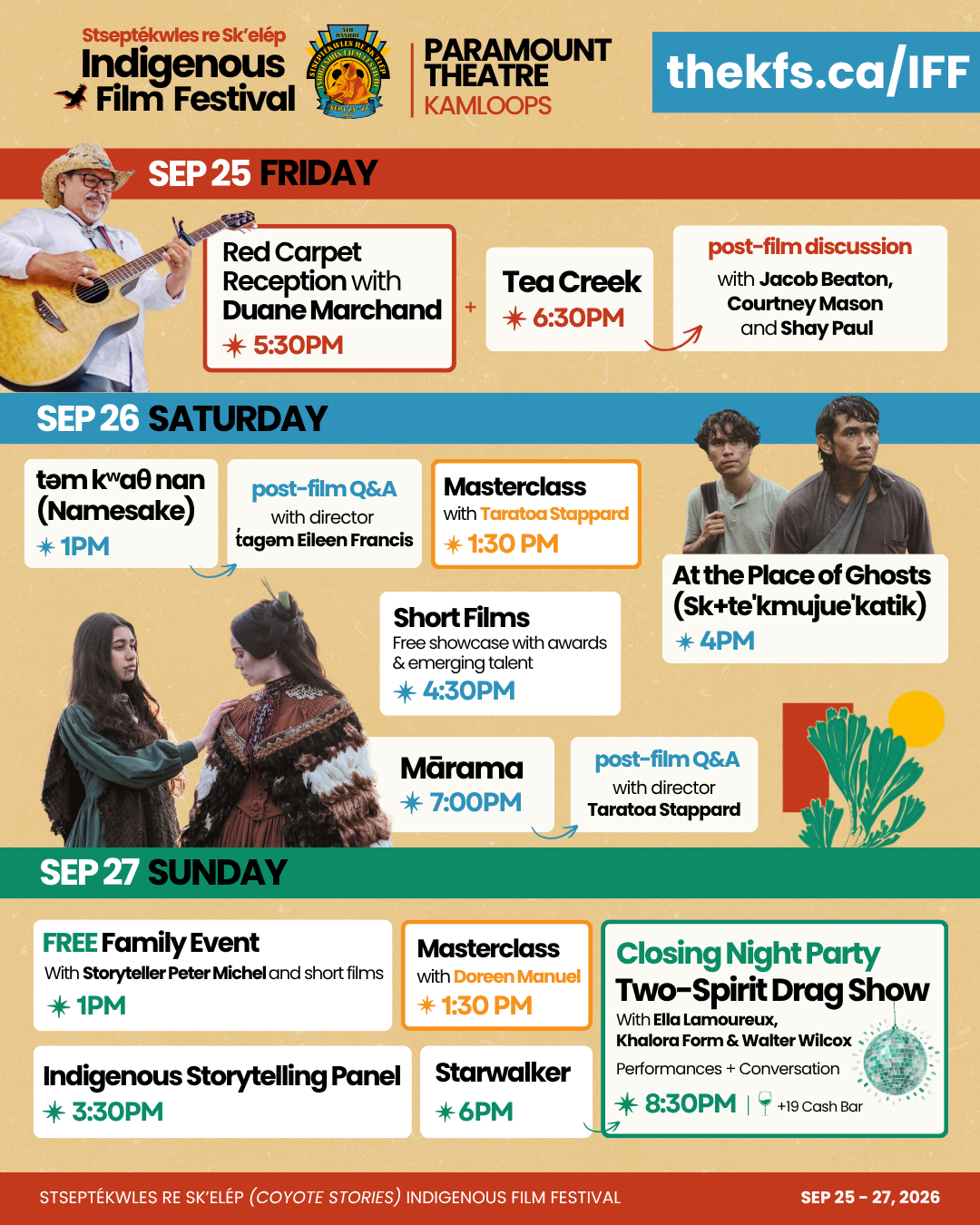
In all, this year’s festival will consist of five feature films, 18 shorts, 20 Indigenous filmmakers and artists, two filmmaking masterclasses with Stappard and Secwepemc/Ktunaxa filmmaker Doreen Manuel, a free family event, an Indigenous storytelling panel and a closing-night Two-Spirit drag show.

Other feature films at this year’s festival include təm kwaθ nan (Namesake) and Sk+te’kmujue’katik (At the Place of Ghosts) on Saturday as well as Starwalker on Sunday.

“We really do try and pick that diversity of films,” Michel added. “It’s not just documentaries, it’s not just those hard hitting dramas. We really do try and round out the festival as best possible to make sure we are showing that scope of the different stories in the indigenous communities.”

More information about the festival and a full schedule of events can be found online.


(Image Credit: Kamloops Film Society)