(Image Credit: BC SPCA)
Microchip Clinic

‘Help reunite more families’: Kamloops SPCA hosting free microchip clinic for pets

Sep 12, 2026 | 3:30 PM

KAMLOOPS — The BC SPCA branch in Kamloops will be carrying out free microchip implantation and registration for pets are the end of the month. 

According to the Kamloops SPCA, microchips are safe and permanent forms of identification for pets. They use radio-frequency identification technology, which is inactive until a microchip scanner passes over the device, that transmits an identification number. The SPCA adds that microchips don’t contain GPS technology and cannot track an animal’s location.

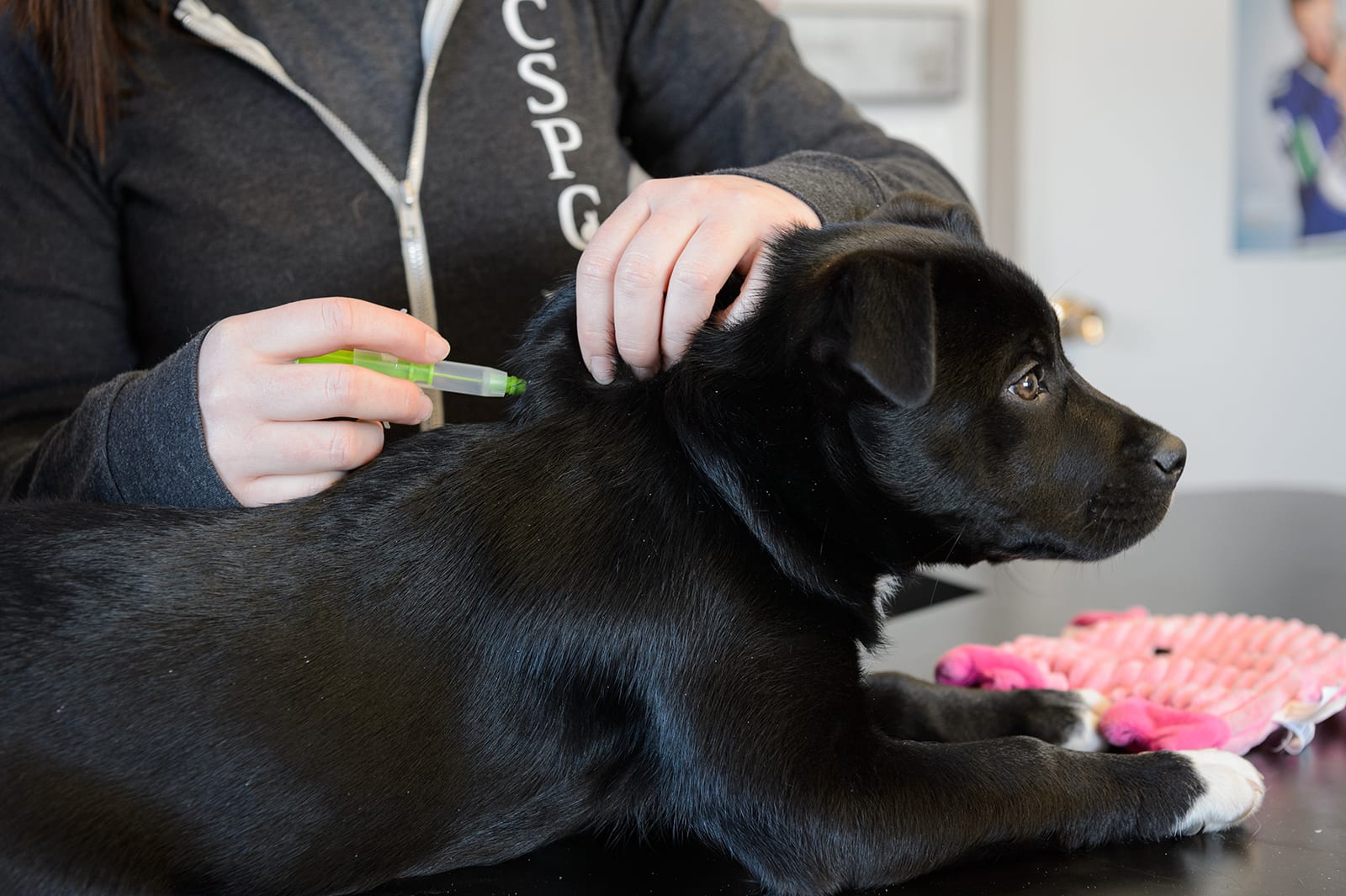
Kahlee Demers, the BC SPCA’s senior manager of animal triage and flow, says the procedure is quick and similar to a standard vaccination or injection, with no anesthesia or sedation required. The microchip is about the size of a grain of rice and is injected between the shoulder blades of a pet.

(Image Credit: BC SPCA)

“This wildfire season served as a heartbreaking reminder of how quickly pets can become separated from their families, and how difficult it can be to reunite them when they don’t have identification,” Demers states in a news release issued Friday (Sept. 11). “It’s a stressful situation to be in, and our hope is to help reunite more families in the future. 

“We know the cost of living and pet care keeps rising, and we don’t want that to be the reason a pet doesn’t find their way home. Our goal is to make microchipping more available in communities impacted by wildfires and evacuations.” 

According to the BC SPCA, nearly 85 per cent of stray cats and 40 per cent of stray dogs in 2025 couldn’t be returned to their homes due to a lack of permanent identification. 

The microchip clinic takes place at the BC SPCA Kamloops Spay Neuter Clinic on 2816 Tranquille Rd. from 1:00 p.m. to 4:00 p.m. on Friday, Sept. 25. 

Pet guardians looking to microchip their animals are asked to register for an appointment online. The SPCA says walk-in appointments may be accommodated on a first-come-first-served basis based on timing and clinic capacity.