File Photo (Image Credit: CFJC Today)
The Creative Edge

PEARCE: Puberty, plastics and the hormones of a generation

Aug 18, 2026 | 6:00 AM

WHEN WE THINK ABOUT the challenges facing today’s youth, we often talk about screens, stress and social pressures. But there’s another, quieter influence reshaping young lives: microplastics in everyday materials, which may subtly alter developing hormones in boys.

Puberty is not just a rite of passage; it is a critical developmental window. Hormones surge, the brain wires for adulthood and bodies grow at remarkable speed. Testosterone orchestrates much of this symphony, guiding everything from muscle growth to emotional regulation, from libido to the very wiring of the adolescent brain.

Research shows microplastics, along with chemical additives like BPA and phthalates, can act as endocrine disruptors. They interfere with the pathways that allow testosterone to be produced and regulated, creating potential for lower hormone levels during this sensitive stage.

Studies in animals provide a clear picture: chronic microplastic exposure can damage Leydig cells, reduce serum testosterone and disrupt reproductive hormone cascades. Human research, though more limited, mirrors these concerns. Adolescents exposed to mixtures of endocrine-disrupting chemicals have been found to show lower bioactive testosterone levels, even after accounting for body mass and lifestyle factors.

The consequences are subtle but profound. Boys going through puberty may experience altered muscle development, changes in fat distribution, mood shifts or delayed sexual maturation. And yet, education around these exposures is almost nonexistent. Teens know about diet and exercise, but few are informed about how everyday plastics might be influencing their hormones, their growth, or their emotions.

Amid all of this, there is a great deal of misleading information reaching adolescent boys, coming from peers and amplified by media and screens. Peer pressure and social messaging can steer young minds into believing there is something “wrong” with their bodies, sometimes creating confusion, body dissatisfaction or dysphoria. Without trusted guidance, this confusion can contribute to decisions that may have long-lasting effects on physical and emotional development.

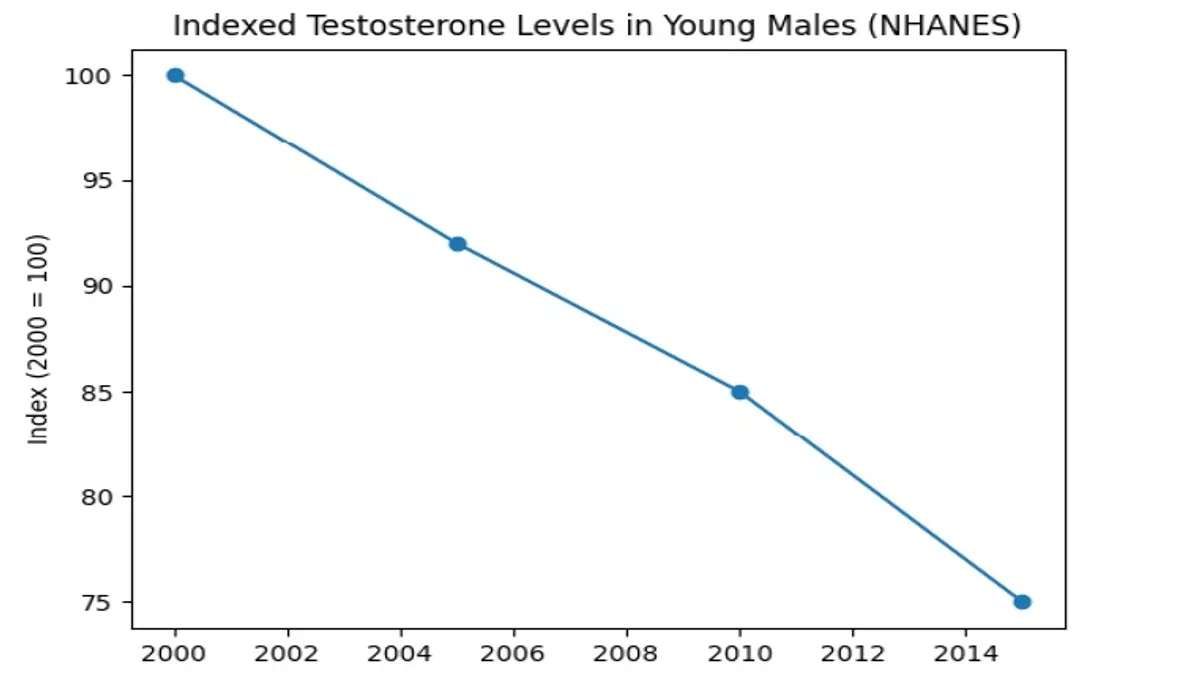
Visualizing the Trend: Average total testosterone levels in adolescent and young adult males have declined approximately 25% between 1999–2000 and 2015–2016, even after adjusting for age and body mass index.


This is not a call to panic – it is a call to clarity and action. The research shows that puberty is a delicate window of opportunity, and that invisible chemicals in our environment may be quietly reshaping the brains and bodies of today’s youth.

Awareness is the first step, but awareness alone is not enough. Parents, educators, and policymakers must ensure that young people are informed, protected and empowered to navigate these changes. Reducing exposure to harmful substances, supporting healthy lifestyles and integrating environmental and hormonal education into schools are essential.

Understanding the problem is the beginning; acting on it is how we give our children the chance to grow into strong, resilient, and confident adults.

——

Editor’s Note: This opinion piece reflects the views of its author, and does not necessarily represent the views of CFJC Today or Pattison Media.