File Photo (Image Credit: CFJC Today)
Sound Off

SOUND OFF: Kamloops food system assessment shows a region growing stronger together

Mar 21, 2026 | 6:00 AM

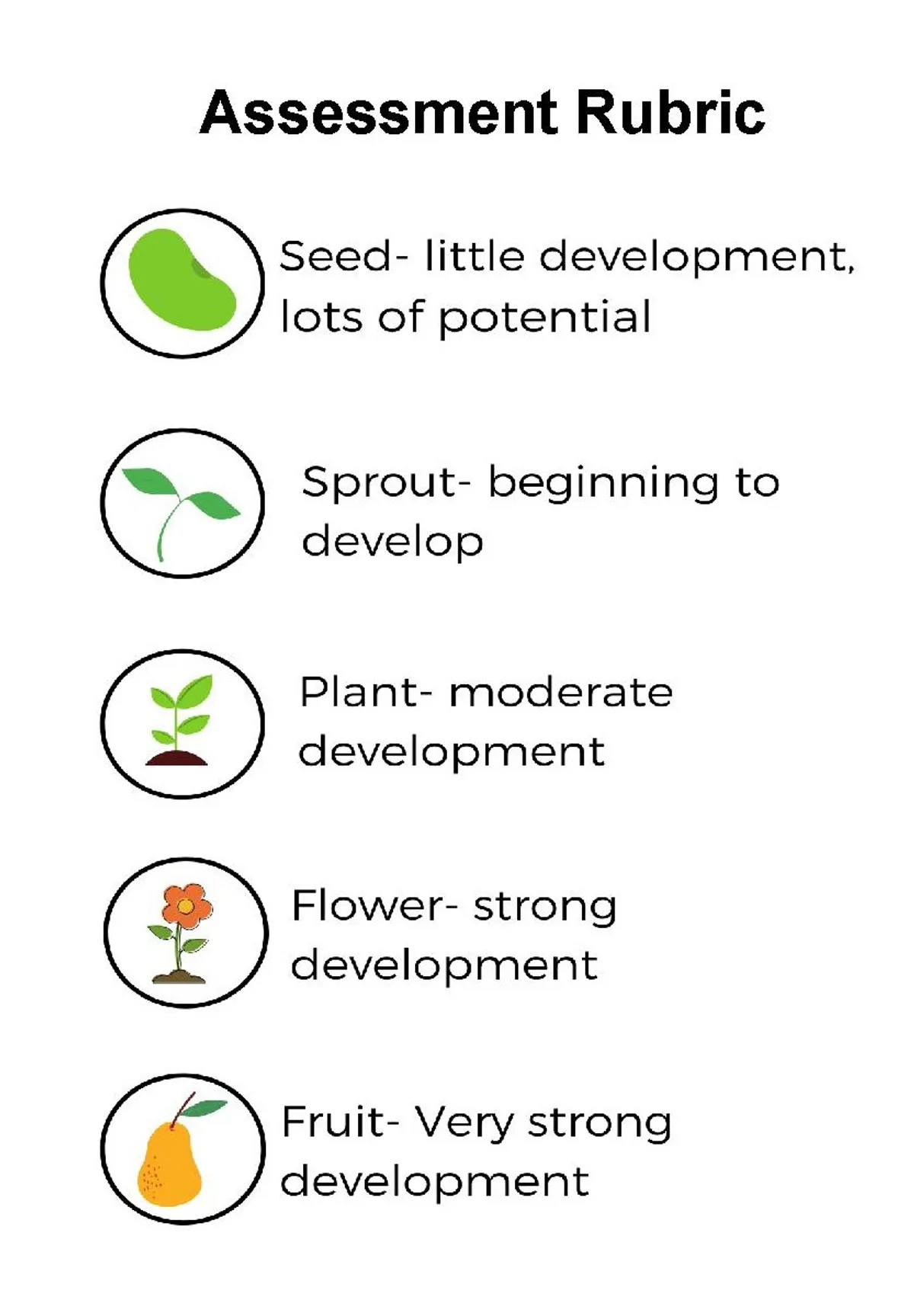
Kamloops’ latest Food System Assessment shows a community and sector that is not only adapting to change but steadily building a more connected and resilient local food landscape. Releasing later this year, the 2025 report highlights strong progress across several areas of the food system and emphasizes the importance of innovation, collaboration and renewed community energy through the lens of a changing regional landscape. Picking up where the last report left off in 2020, the current assessment utilizes the same metrics from the previous report, the assessment evaluates the region’s food system using the Seven Pillars of Food Sovereignty. Adopted in 2007 by Food Secure Canada and adapted for the Kamloops context, the Seven Pillars identify what is required to develop a food system that is sustainable, just, and equitable. The Pillars include: A Resilient Food System, Indigenous Food Sovereignty, Alleviation of Poverty, Our Network, Local Economic Vitality, Food Literacy and Food Commons. The pillars are then graded rubric based on a progress level of Seed, Sprout, Plant, Flower and Fruit. See the table near the end of the article for the assessment ratings of 2020 and 2025.

Over the past five years, Kamloops has seen remarkable progress across its food system in comparison with other regions of the province, emerging as an example to other regions of what a resilient and thriving food system can look like. This has been made possible by the community’s high concentration of food system infrastructure. This infrastructure includes both physical assets, buildings, equipment, organizations, mindsets/social conditions, how the food system is reflected in policies, buying behaviour and general knowledge of where local food is sourced. Together, these physical assets and mindsets/social conditions play a critical role when conducting these assessments.

Some pre-existing examples of food system infrastructure in Kamloops include multiple community gardens, a thriving regional farmers market, adoption of a Food Charter by the local government and numerous incredible community organizations that facilitate food access programs to underserved populations. Two relatively new additional assets include the Mount Paul Community Food Centre, a part of the Canadian Community Food Centre Network and The Stir Food Hub, a part of the BC Food Hub Network. Since opening in 2019 and 2022,respectively, these two assets have contributed heavily to supporting and uplifting the work already taking place in the food system. Mount Paul serves as a community hub for social gatherings and community connection, low-no barrier access to grocery items, and various skills and training opportunities such as gardening, cooking and preserving/canning. The Stir supports local/regional producers and entrepreneurs by providing facility rentals (commercial kitchen and cold/dry storage), business development support and other resources.

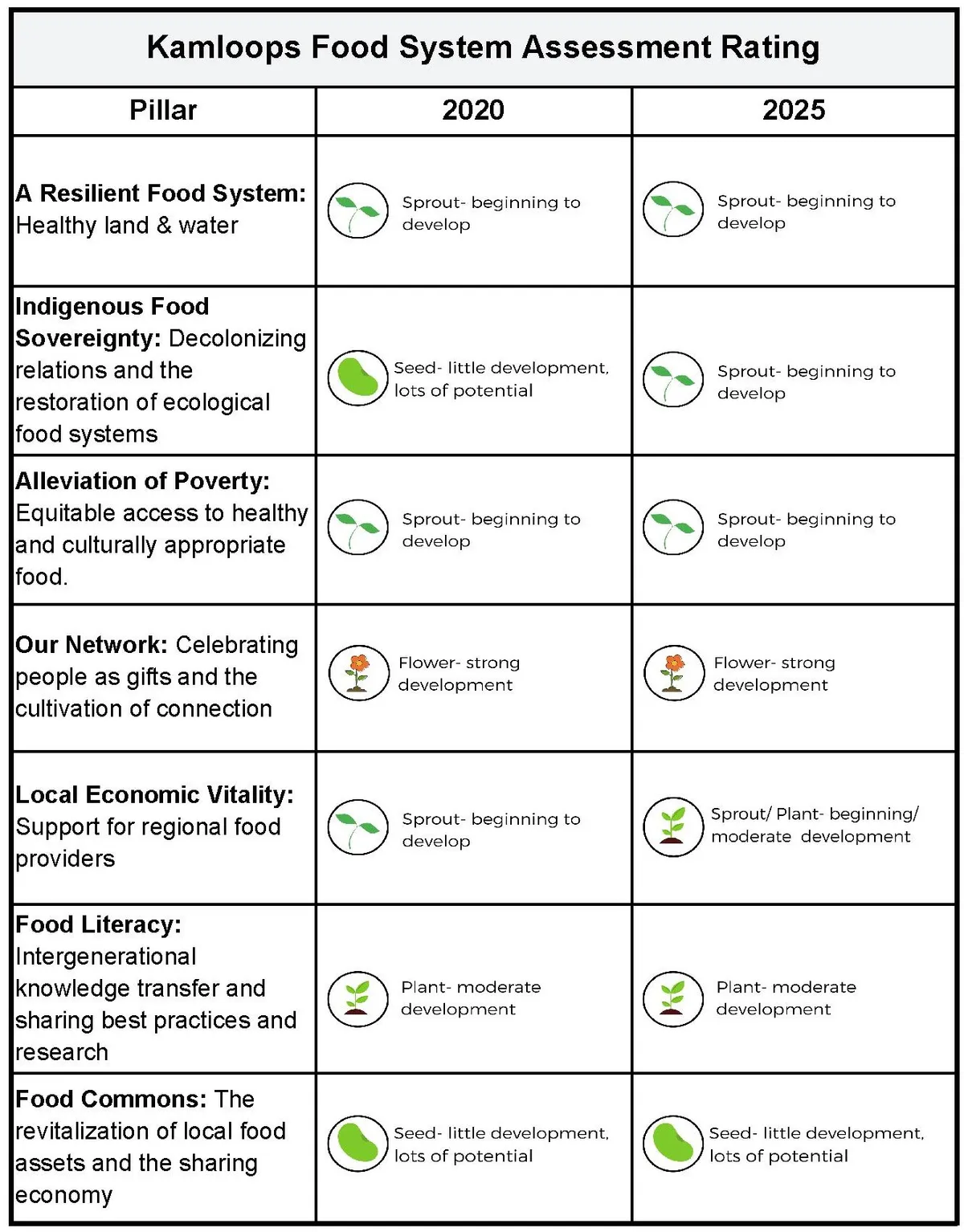
The region has also witnessed innovative growth in Indigenous Food Sovereignty. Locally, Tk’emlúps te Secwépemc has been able to advance their food sovereignty through various projects anchored by traditional knowledge sharing in harvesting/butchering techniques, as well as establishing partnerships with Thompson Rivers University’s Regenerative Ranching program to integrate components of past livestock management practices. From 2023 – 2025, investments from provincial and federal programs totaling more than $30 million have supported Indigenous‑led food projects across the Cariboo and Thompson through the Indigenous Food Security and Sovereignty Program provided by New Relationship Trust and the B.C. Ministry of Agriculture and Food. This has demonstrated strong momentum toward reclaiming and celebrating traditional foodways and meaningful efforts in reconciliation.

Community members continue to show their dedication to caring for one another. The Kamloops Food Policy Council’s long-running Gleaning Abundance Program has redistributed nearly 200,000 pounds of fresh fruits and vegetables since 2013, reducing potential food waste and wildlife deterrents, as well as ensuring what is harvested reaches organizations and households who need it. This wouldn’t be possible without the volunteers who aid in making the program as successful as it is. The volunteer spirit of Kamloops runs deep, with the community being known nationally for the way it comes together.

The assessment also celebrates the strength of Kamloops’ food network. Farmers and ranchers, non-profits, Indigenous leaders, chefs, educators and residents alike continue to collaborate through a network of shared initiatives. This sense of connection, described as “people as gifts”, remains a standout feature of the local food system, where folks from across the region are able to collaborate over a shared passion for a vibrant and resilient food system that works for everyone, from farm to plate and beyond. Even as organizations navigate changing resources, the community’s commitment to working together remains strong. A quote from The Stir’s website summarizes the importance of a community perfectly: “Acting like a mycelium – a network of microscopic strands connecting mushrooms and the surrounding ecosystem – we work collaboratively to connect and strengthen our regional food system.”


While the assessment acknowledges that the region, like many others, is navigating shifts in funding and capacity, the overall picture remains positive. Kamloops has built a diverse network, strengthened by growing their food system infrastructure and a renewed focus on regional collaboration. The assessment points to clear opportunities to maintain momentum and keep building out the region’s food system through collaborative partnerships, developing a regional food system strategy and developing new strategies to provide operational support for community‑led regional food system initiatives.

For now, the message is clear: the Kamloops food system has strong advocates, is rooted in community and has a deep connection to local food production. With this foundation, the region is well‑positioned to continue being a leader in regional food sovereignty and to continue working to ensure future generations have access to a resilient, equitable and regenerative food system.

As of the writing of this article, the 2025 Kamloops Food System Assessment has not yet been published. Once completed, you can find it and the 2020 Assessment on the Kamloops Food Policy Council’s website here: https://kamloopsfoodpolicycouncil.com/our-library/.

The 2025 Kamloops Food System Assessment was written by Robyn McLean of Tapestry Evaluation and Matt Henderson, an undergraduate student of the University of Northern British Columbia, and supported by the Pacific Institute for Climate Solutions and the Kamloops Food Policy Council.

——

Editor’s Note: This opinion piece reflects the views of its author, and does not necessarily represent the views of CFJC Today or Pattison Media.