File Photo (Image Credit: CFJC Today)
Le Estcwicwe´y

Tk’emlúps investigators narrow focus in search for potential gravesites, rule out some areas

Feb 17, 2026 | 3:06 PM

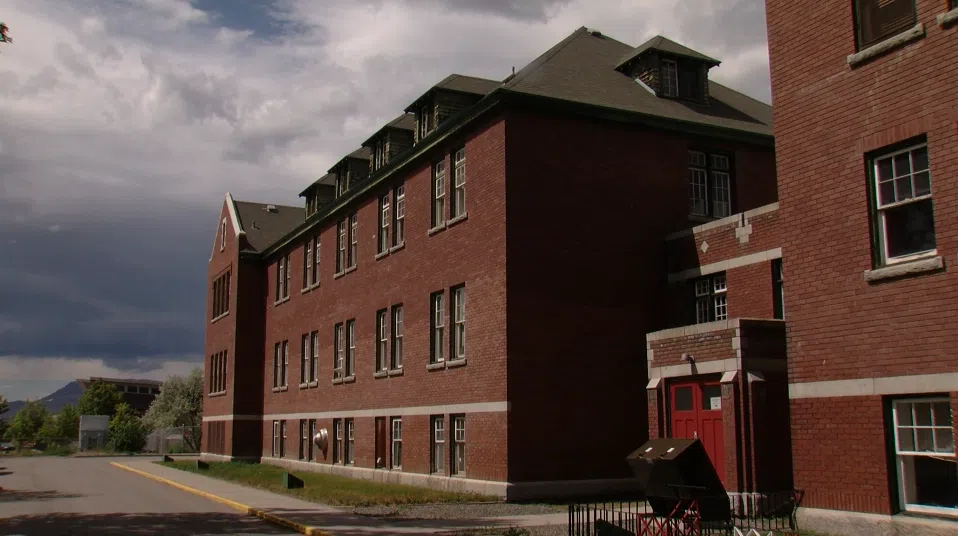
TK’EMLUPS — Tk’emlúps te Secwépemc’s latest update on the investigation into potential unmarked burials near the former Kamloops Indian Residential School (KIRS) reveals experts are honing in on a more precise set of possible gravesite locations.


Kúkwpi7 Rosanne Casimir distributed an update to media Tuesday (Feb. 17), saying the nation’s ‘independent, multi-pronged’ investigation has employed ground-penetrating radar, LiDAR scanning and detection dogs. There are certain locations where those three investigative methods have uncovered overlapping data and findings. Casimir says those locations will now be the primary focus of study.

She notes signatures resembling burials were found in some areas of the orchard being searched, while other areas have been ruled out.

The news release does not provide an updated figure of suspected burials. Casimir was not made available for follow-up interviews.

Tk’emlúps goes on to note the investigative process has been painstaking, with the retrieval of 88 years of records from the B.C. and Canadian governments, as well as the Roman Catholic Church, being extremely difficult.

Casimir says 119 communities in 38 Indigenous nations across the province are affected by the investigation, and the importance of honouring and protecting ancestral remains means Tk’emlúps “must seek consensus on any future outcome” while noting full consensus may never come.

“Possible future outcomes could be to preserve the orchard as a Sacred Site – a place of memory and healing – or excavate,” notes the release. “Any remains would need to be repatriated to their home communities, an extremely complex and sensitive process involving extensive consultation with the Nations, DNA analysis, forensic expertise, and adherence to appropriate laws and protocols.”

In May of 2021, Tk’emlúps announced the confirmation of up to 215 suspected gravesites in an orchard not far from the former KIRS. That figure was later refined down to “closer to 200.”

The entire media release can be read here.

——

There are resources available for those suffering trauma because of the legacy of residential schools.