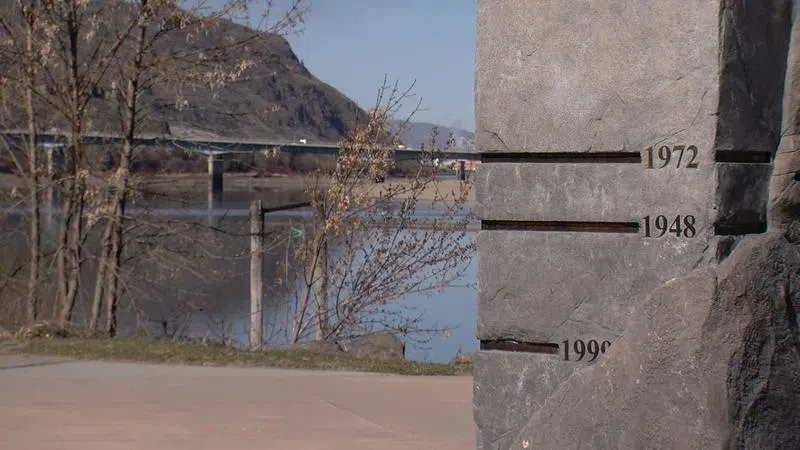
File photo. (Image Credit: CFJC Today)
Snowpack Watch

Dry and warm January doesn’t deplete snowpack in Kamloops region

Feb 11, 2026 | 9:42 AM

KAMLOOPS — Despite a drier and warmer month of January in the Southern Interior, snowpack conditions in the Kamloops area are still closer to normal than they were at this point last year. 


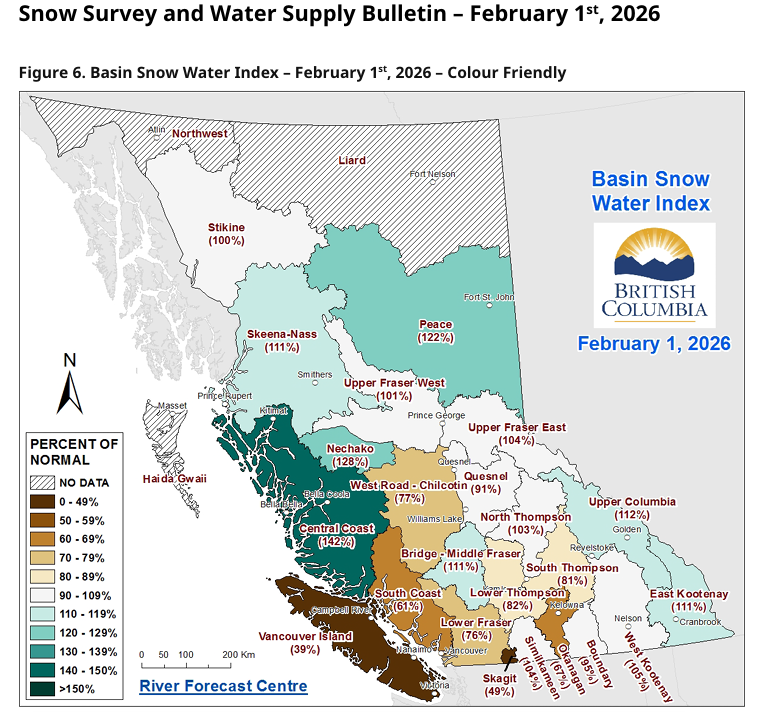
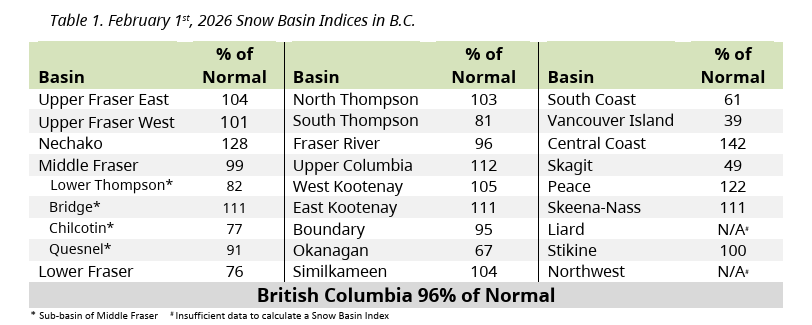
The B.C. River Forecast Centre’s (BCRFC) latest Snow Survey and Water Supply Bulletin was released Wednesday (Feb. 11) and shows the average snowpack for the North Thompson basin at 103 per cent of normal as of Feb. 1, unchanged from the first report issued in January and up from 93 per cent in February 2025. 

Meantime, the South Thompson basin is at 81 per cent normal as of Feb. 1, down from 93 per cent last month but up from 78 per cent as of the same time in 2025. 

Overall, the provincial snowpack is at 96 per cent normal as of Feb. 1, down from 107 per cent in January but well up from 72 per cent as of Feb. 1, 2025. 

Elsewhere, snowpack for the Middle Fraser basin is at 99 per cent normal as of Feb. 1 – with the Lower Thompson sub-basin substantially dropping to 82 per cent normal compared to 110 per cent normal as of Jan. 1. The Lower Fraser is also lower at 76 per cent normal, down from 81 per cent as of Jan. 1.


(Image Credit: BC River Forecast Centre)

(Image Credit: BC River Forecast Centre)

The BCRFC notes January temperatures were generally warmer than normal across the province, although no regions experienced extremely warm conditions. Environment Canada noted that Kamloops experienced its sixth driest month of January in 2026. 

“Regions with normal to above normal snowpack levels have increased hazard for spring snowmelt related flooding, especially if La Niña conditions persist into the spring,” the BCRFC says. “Areas with well below normal snowpack have an increased summer drought hazard.” 

When winter La Niña conditions exist in B.C., the BCRFC says the April 1 snowpack is often above normal, particularly for the South Coast and Southern Interior. 

Additionally, the BCRFC says seasonal forecasts from Environment Canada in late January indicate a greater likelihood of above normal temperatures from February to April for the entire province. 

While nearly two-thirds of B.C.’s annual snowpack typically accumulates by early February, the BCRFC says there are still two-to-three months left in the snow season and the snowpack can change significantly based on upcoming weather patterns. 

Another snow bulletin is scheduled for March 10 or 11.