CFJC Today File Photo
Two-Tier Fee Structure

City of Kamloops studying possibility of higher recreation fees for non-residents

Nov 16, 2025 | 12:50 PM

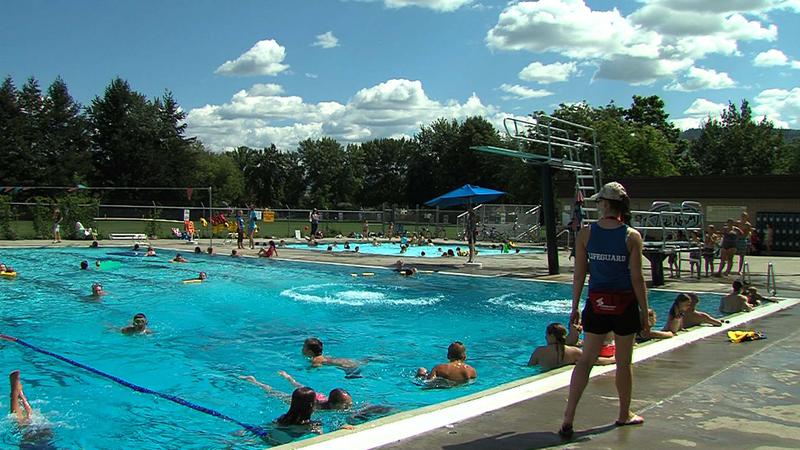
KAMLOOPS — The City of Kamloops is investigating the possibility of a two-tiered recreation fee structure that could see people from outside the city pay more to access municipal facilities.

The notion of different recreation rates was raised by Councillor Katie Neustaeter at the Nov. 4 council meeting.

She noted that while current fees include a commercial rate for non-local user groups, there is no such mechanism for non-residents who use facilities in Kamloops, but aren’t part of the local tax base.

“We haven’t factored that in here yet — whether we should be looking at a tiered structure, that fees are actually higher for outside users,” Neustaeter said, noting this conversation has been ongoing for a little while.

“It’s also something that, as we develop Build Kamloops, is in the conversation and this is a good place to start with our existing fees and services.”

Sherri Holmes, the city’s sports, recreation and wellness manager, confirmed those discussions are underway, but also said staff are working to figure out the logistics of making such a move.

Holmes told Neustaeter city staff were focused on the new five-year recreational fee schedule that will take effect on Jan. 1, 2026, following unanimous approval by council.

“Kamloops residents shouldn’t see a significant increase [in 2026] for the most part,” Holmes said. “We are proposing a 2.5 per cent annual increase so that we’re not having any drastic measures moving forward to keep our rates competitive.”

Those 2.5 per cent rate increases will take effect each January 1, starting in 2027.

There’s no indication when — or if — Kamloops will implement a tiered recreation fee structure, as Holmes said while the city is looking at it as a “next step,” it wants to do its due diligence first so it can “make a sound decision.”

That includes looking at neighbouring communities — like Vernon — which have already implemented such a fee model.

“There has been some positive and negative feedback from that,” Holmes said. “One of the things that we will have to consider with that is how we administrate that. How we identify who is a resident and who is not a resident.”

“We also want to make sure that we’re being supportive, inclusive of all of our neighbouring communities as well, including Tk’emlúps.”

Councillor Nancy Bepple noted residents in Sun Rivers and Sienna Ridge contribute to recreation fees in Kamloops, despite being located on Tk’emlúps te Secwépemc (TteS).

Holmes told CFJC a portion of sanitary sewer fees paid by Sun Rivers and Sienna Ridge residents is taken by the City of Kamloops through a service agreement with Tk’emlúps and allocated to offset recreation costs for those residents.

“Another portion of the overall fee goes back to the TteS community to build out recreation opportunities such as [multi-use paths] on reserve,” Holmes said. “This is an agreement that has been in place in some form or other since the start of Sun Rivers, and is one of several agreements between the two communities for services.”

Holmes also told CFJC there are “several logistical considerations” that need to be addressed before Kamloops can bring in a two-tiered recreational fee structure.

“Currently, we do not have a timeline for implementing a two-tiered fee structure,” Holmes added.

According to Holmes, the City of Kamloops reviews its recreational fees every four-to-five years to ensure it is keeping pace with other communities.

At the Nov. 4 meeting, Councillor Bill Sarai said he felt the fee review was “much needed and long overdue.”

“We’ve always been told that we subsidize a lot of the recreation to not only give our residents the opportunity for recreation but to keep them healthy as well,” Sarai said. “What I think the public and the media isn’t aware of is the split that we usually do that to.”

Sarai said as far as he could remember, recreational fees were split 60-40 or 55-45, with the city subsidizing the larger share of the costs with users picking up the rest by paying to use the facilities.

“Are we going to get to a position where it’s 50-50 so that it’s an equal share from the users and from the city?” Sarai asked. “I want to see youth fees relaxed so they’re encouraged to be active but are we ever going to get to 50-50 for adults?”

Holmes said the city hopes to eventually reach that 50-50 split, though it’s not clear when that might happen or what the current breakdown is.

“The intention here is that we are charging the people who are using the facility a reasonable amount for their use while still keeping it affordable,” Holmes said. “But yes, our goal is to get to a 50-50 split.”