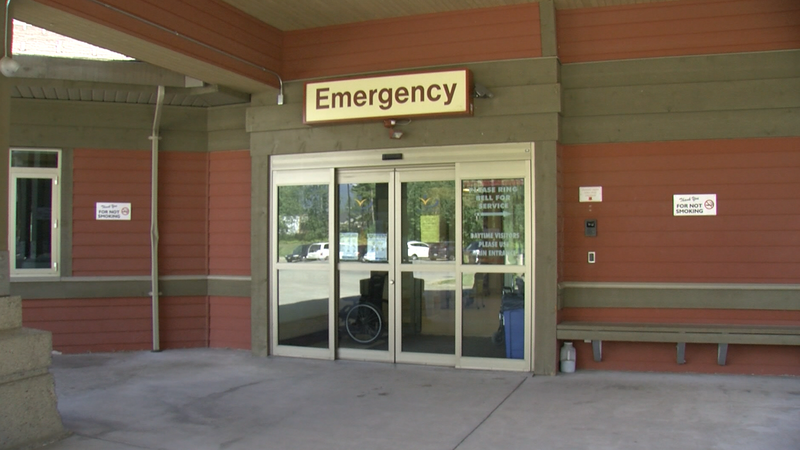
CFJC Today file image
VIRTUAL ER

Virtual overnight ER service rolling out in new year for Interior community hospitals

Nov 7, 2025 | 4:24 PM

CLEARWATER — Rural emergency rooms around BC’s Interior are no stranger to overnight ‘service disruptions’. The temporary closures happen more often for community hospitals and, in an effort to fix the problem, Interior Health is introducing a virtual care option for overnight shifts.

Hospital in Lillooet, Clearwater, Nakusp and Princeton will try out the service when the pilot program rolls out in early 2026. The District of Clearwater’s mayor, Merlin Blackwell, is hoping the program can address the work-life strain physicians are under at Dr. Helmcken Memorial Hospital.

“We will see how it goes. But everything I’ve seen so far talking also to the mayors of the other communities involved, the buy-in seems to be there from those other communities as well as the healthcare providers who are running the hospitals in those other communities,” Blackwell says.

According to information shared by Interior Health’s executive director of clinical operations for IH West, Karen Cooper, at a Thompson Regional Hospital District meeting this week, the ERs that were picked all had a daily overnight average of less than three visits. Clearwater sees 2.2 visits per night, on average, and the majority of issues people come in with could be dealt with using a virtual provider.

While the virtual care option specifically addresses one-half of the emergency room staffing situation with doctors, on the nursing side, the pilot program will actually add another in-person nurse to fall in line with updated nursing ratios.

“The goal of this is to restore quality of life primarily to the doctors who are very overworked right now but also, hopefully, to the nurses because, as mentioned in the presentation, there will be backstopping to the nursing staff,” notes Blackwell. “Increasing that on those overnight shifts to make sure we have two very qualified, ER-certified nurses working overnight on these shifts.”

The pilot is expected to last at least six months, but could go longer.

“It means their workload is not going to be as significant, they don’t need to do as many on-call shifts,” Interior Health CEO Sylvia Weir told CFJC on Wednesday (Nov. 5) when asked about what solutions are being worked on to reduce the rural ER closures. “We’re actually going to be able to keep more (emergency rooms) open through the virtual ER service, which is great.”

The virtual ER option is geared toward overnight shifts, which are traditionally harder to staff. It’s meant to reduce how often rural ERs are forced to temporarily close.

“We are always looking for the vulnerable sites,” reiterates Weir. “Every day, I get an update on what are the sites that are vulnerable, what are the shifts that are vulnerable? We’re doing everything we can to keep our rural ERs open.”

Officials will have to keep tabs on the quality of care that’s being given under the new model but, if all goes well, Interior Health says virtual service could expand to other community hospitals who want it.