COLLINS: Truth and reconciliation — where are we?
-
Share on Facebook
-
Share on Bluesky
-
Share on X
- Copy Link
DEPENDING ON WHO YOU TALK WITH, it’s going too slow, or just about right. No one is saying we’re moving too quickly on all the recommendations in the Truth and Reconciliation Commission report, which was released several years ago after lengthy hearings across the country.
Tuesday, we participated in the National Day of Truth and Reconciliation. That day was set aside to remind us of the travesty of the residential school system, one of the blights on our history we cannot forget. Governor-General Mary Simon, herself an Indigenous person, summed everything up neatly when she said we’re making good progress in some areas, but we still have work to do.
I really think those who suggest we’re not making progress quickly enough need to take the rose-coloured glasses off. Some of the 94 items in the report are well on their way. We’ve made some progress in making the public more aware of the accurate history of our Indigenous population. Many activities based on old customs are making their way into the classroom. More time is now being spent on looking through the lens of our First Nations residents. That’s an important part of the healing process.
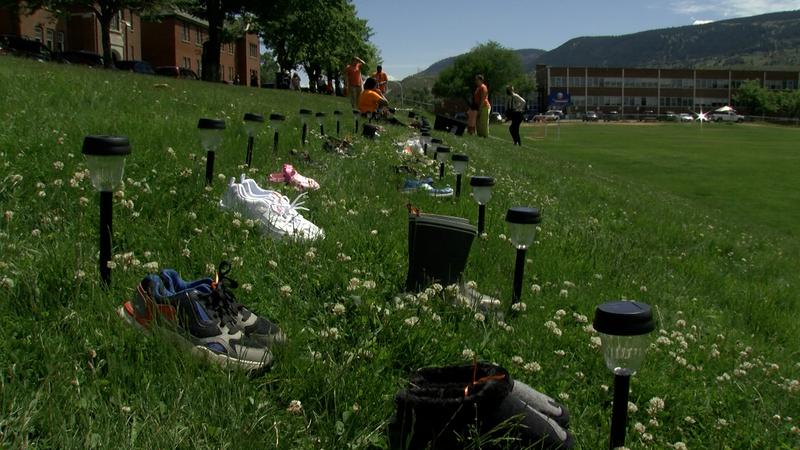
And we must never forget the elephant in the room — the residential school system, where young children were grabbed from their homes and placed in these schools where many were tortured and abused, and if they died, were interred in cemeteries, or just as often, in makeshift areas on various tracts of school property. We are discovering more and more the truths of the system.


