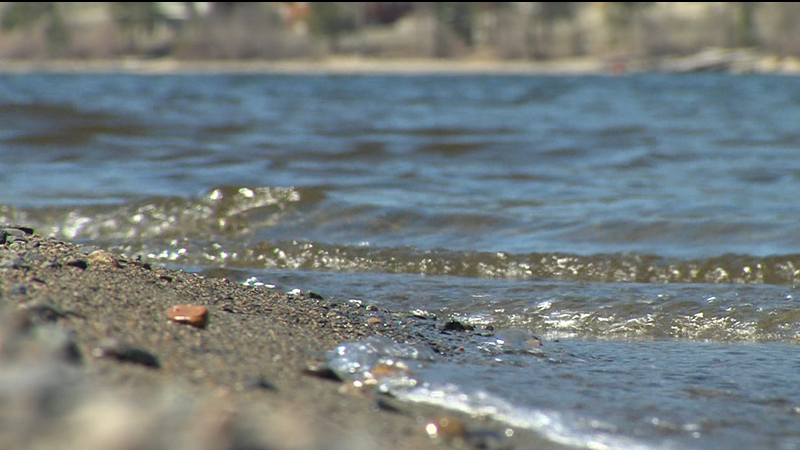
File photo (Image credit: CFJC Today).
Climate Change Adaptation

Kamloops gets $550K for adaptation plan and study related to declining Thompson River water levels

Aug 14, 2025 | 10:29 AM

KAMLOOPS — The City of Kamloops is the recipient of $550,000 in grant funding to support climate change adaptation work in the Thompson River watershed.

The city is the recipient of a $400,000 grant from the B.C. Government’s Disaster Resilience and Innovation Fund to go toward the development of the Thompson River Watershed Climate Adaptation Plan. In a news release Thursday (Aug. 14), the city said the plan will help guide council and staff in adapting to future impacts from climate change and prolonged low-flow conditions.

Additionally, the city also said it received $150,000 from the Union of B.C. Municipalities’ Community Emergency Preparedness fund to go toward its Watershed Climate Adaptation Study. It will examine declining river levers in the Thompson River watershed and determine how it impacts local infrastructure such as water intakes and water mains.

“This funding supports Kamloops and Tkemlúps te Secwépemc as they take proactive steps to protect critical infrastructure and make their community more resilient in the face of increasing climate risks,” Kelly Green, B.C.’s Minister of Emergency Management and Climate Readiness said, in a statement.

The City and Tk’emlups te Secwepemc say they have seen decreasing river levels in the Thompson Rivers and Kamloops Lake. They note it can affect the local drinking water supply, flood risk and habitat.

“As Secwépemc people, we have always understood that water is life and sustains our people, our lands, our wildlife, and all living things,” Tk’emlups Kúkpi7 Rosanne Casimir added. “The Thompson River is part of our identity and well-being, and we are seeing changes that our Elders have spoken of for years.”

“This collaboration ensures that traditional knowledge and Western science work together to protect our water for future generations. Planning for the health of our watershed today is an act of stewardship and responsibility to those who will come after us.”

The city adds that climate-related challenges such as lower streamflows from July through September are occurring more frequently and have made it difficult to reliably access water, putting essential services at risk.

As of Thursday, B.C.’s provincial drought map lists the North Thompson basin at Drought Level 1 and the Lower and South Thompson basins at Drought Level 0.

Kamloops is in its second summer under year-round water restrictions, though the impacts of those restrictions have yet to be fully tested.