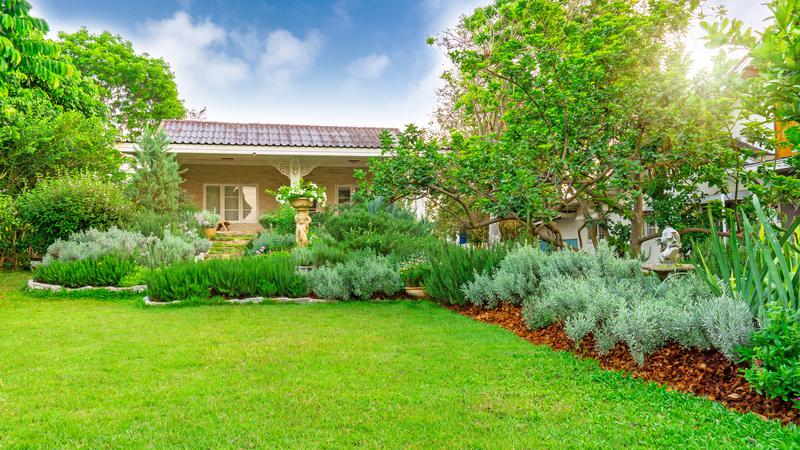
Image Credit: Arunee Thornpho / Dreamstime.com
Sound Off

SOUND OFF: Rethinking backyard design to cope with drought conditions in Kamloops

Jul 26, 2025 | 6:00 AM

ONCE AGAIN, British Columbia is facing a summer water crisis. Only two years ago, the Thompson-Okanagan region was placed under Level 4 drought conditions, prompting city officials to urge residents to curb their water use. Now, Minister of Water, Land and Resource Stewardship Randene Neill has again appealed to everyone to think about saving water wherever possible.

She talked about fixing leaky faucets and watering gardens with reduced frequency. But as drought conditions seem to be becoming such a regular event, perhaps the time has come for everyone in Kamloops to consider more profound action to change the way we consume water. The following measures are things that everyone can consider for a more resilient and sustainable future.

Implement permaculture principles in your backyard

When we look at redesigning the backyard, it is worth thinking beyond aesthetics and exploiting a few essential permaculture principles. By introducing contour landscaping and swales, we can improve soil moisture retention. These slow down rainwater, letting it soak into the soil rather than running off into streets or storm drains. It means enhanced support for drought-resistant native plants and reduced reliance on municipal water during drought conditions.


A swale is simply a shallow ditch that runs level along slopes. It costs little and can be added without disrupting the visual appeal of your yard. Over time, swales and contour landscaping can combine to create a self-watering landscape that will thrive in all weathers.

French drains manage water where it falls

The clay-rich soil that tends to characterize Kamloops means that when sudden rainstorms blow in, they can overwhelm instead of help, washing away topsoil and damaging landscapes and foundations. A French drain is a gravel-filled trench containing a perforated pipe. It is designed to redirect water so as to prevent runoff and erosion.

It is relatively quick and inexpensive to install a French drain, and it can deliver long-term benefits. It will recharge the soil, allowing water to slowly seep into the ground, supporting deeper plant roots and reducing the need for supplemental irrigation.

The forgotten tradition of rainwater harvesting

Though common in other dry parts of the world, rainwater harvesting systems remain rare in Kamloops. A well-placed system can capture thousands of litres annually from rooftops and store it for garden use, car washing or even toilet flushing if you have the proper filtration setup.

BC homeowners are legally allowed to harvest rainwater and many municipalities, such as Nanaimo, offer rebates for barrels and cisterns. Kamloops has yet to adopt these sorts of incentives, but they are nevertheless a shrewd investment for homeowners. When combined with gravity-fed irrigation or drip systems, they can offer complete independence from treated water for outdoor needs.

Invest in soil health to create hidden reservoirs

Healthy soil holds up to 20 times its weight in water. It acts like a sponge during storms, slowly releasing moisture to plant roots. Unfortunately, the over-fertilized and over-mowed lawns that are so typical in suburban Kamloops often sit on compacted or shallow topsoil that has poor water retention.

We can address that by investing in soil health through measures like mulching, composting, leaving grass clipping after mowing and planting deep-rooted native plants such as big sagebrush, yarrow or wild lupine.

A shift from the traditional lawn

For generations, a well-manicured lawn has symbolized prosperity and pride. But it might be time for a culture shift. Keeping a lawn green during a drought places a high demand on water.

Shifting towards xeriscaping, using drought-tolerant plants, encouraging a naturalized yard or even devoting part of your yard to edible landscaping does not just reduce water usage. It also helps boost biodiversity and even personal resilience through food production.

Shifting from reaction to resilience

The time is overdue for us to move beyond the reactive conservation measures of hosepipe bans when drought hits and instead to shift the focus to resilient garden design. The strategies we have considered here do not just rely on individual habits. They restructure the way our homes and properties interact with water and are measures that can help us adapt and thrive in changing times.

——

Editor’s Note: This opinion piece reflects the views of its author, and does not necessarily represent the views of CFJC Today or Pattison Media.