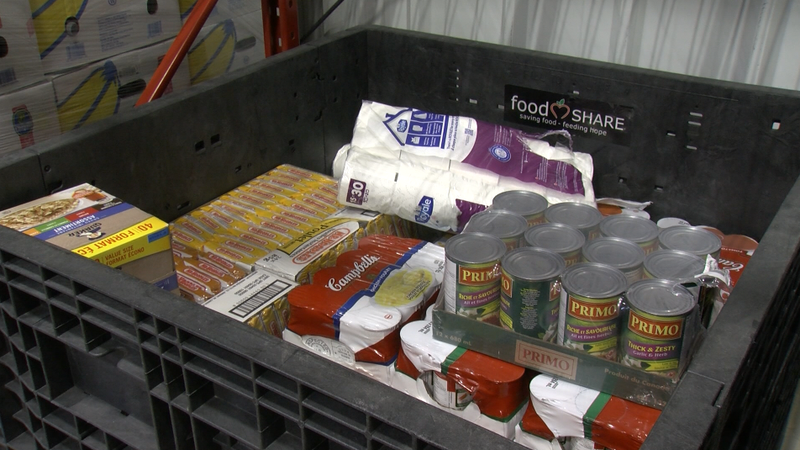
File Photo (Image Credit: CFJC Today)
FOOD BANK USE

Kamloops Food Bank sees 85 per cent usage increase in 2023

Feb 2, 2024 | 5:30 PM

KAMLOOPS — In the face of cost of living challenges, the Kamloops Food Bank is reporting an 85 per cent increase in use of its service in 2023. That translates to 14,000 people being directly impacted, with more than $11 million worth of food being distributed to those in need.

From infants to students and the 230 Starfish backpacks, to young families and even seniors, the Kamloops Food Bank is seeing an increase in the need for its service from all facets of the community.

“We are serving people with mental health issues, with physical disabilities, with job losses, with one-off health concerns. Everybody here is living at or below the poverty line for either a moment in time or chronically. But the number in every one of those categories has increased as well,” said Kamloops Food Bank President and CEO Bernadette Siracky.


Despite an 85 per cent increase in use, the food bank has been able to keep the shelves stocked thanks to donations, food drives and partnerships.

“Food leaves here very quickly. We were really grateful last week to have received 24 pallets of really, really good food, lentils and rice and barley from an organization called Global Medic. They actually connected with us knowing that food banks across the country are in great need,” added Siracky.

The food bank has been forced to hire two new employees to deal with the surge, but still runs on the shoulders of volunteers.

“The cost of living is really increasing — I think everyone feels that. Even if you are financially secure, you can see the prices go up. It’s good to know the food bank is here for people when they need it, and that they are able to still get healthy good food,” said volunteer Cindy Kozak-Campbell.

One of the patterns being noticed at the Kamloops Food Bank is the number of working families in need of help.

“We are in a whole different era than we were before — 10, 15, 20, 50 years ago,” said Siracky. “What we are seeing at the food bank is often people who are working, who are paying their bills and don’t have any money left over. Zero disposable income and literally almost no money left over to purchase food. It’s really dire for many people.”