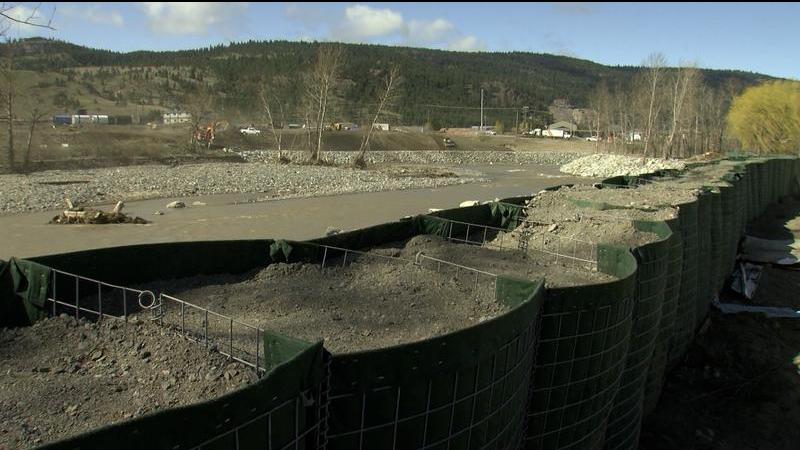
File Photo (Image Credit: CFJC Today)
Sound Off

SOUND OFF: New action to modernize our approach to emergency management

Oct 11, 2023 | 9:52 AM

YEAR AFTER YEAR, climate- and weather-related emergencies have increased in severity, with people in our province facing unprecedented floods, landslides and extreme wildfire seasons. The safety and resilience of British Columbians is our government’s priority, and we’re committed to improving all aspects of emergency management to better support people.

It’s inspiring to see the way people, governments, and those working and volunteering to keep people safe across Canada and the world have come together to support B.C. in the wake of climate-related emergencies. We know that climate-related weather patterns are continuing to be more severe and that’s why our government is focusing on preparedness and mitigation.

This week, we introduced new legislation to bring forward the most comprehensive and progressive emergency management framework in all of Canada.

The new Emergency and Disaster Management Act will take a more proactive approach to emergency management, focusing on mitigation and disaster risk reduction, and ways to safeguard people and communities from emergencies before they happen. This reflects lessons we’ve learned from emergencies in recent years, as well as modern risks and realities.

The new legislation will focus on all four phases of emergency management — mitigation, preparedness, response and recovery. By placing an emphasis on preventing and mitigating disasters before they happen, we’re helping to protect British Columbians from the impacts of climate change.

We know Indigenous communities have been disproportionately affected by disasters, and partnering with First Nations on our emergency management framework is extremely important. Consultation and cooperation with Indigenous communities and leaders in all phases of emergency management is required under the new Act. This is an important step in aligning our approach with the UN Declaration on the Rights of Indigenous Peoples – particularly related to self-determination and First Nations’ participation in decisions that affect them.

While these actions are helping better prepare us for the future, we know it’s been an incredibly challenging time for people in the last few years. In the Fraser Valley, including communities I represent, we continue to feel impacts of the atmospheric rivers in 2021.

Across the province, this year’s wildfire season was particularly harrowing, leading to tens of thousands of people evacuating, hundreds of homes lost and a long and difficult season for those on the front lines. We’re doing everything we can to prepare for next year.

That’s why, in addition to this legislation, our government has launched an expert task force on emergencies to determine how we can better support evacuees, front-line workers and volunteers and apply the lessons we have learned to prepare for the 2024 wildfire season.

By engaging front-line workers, community members, First Nations, local governments, farmers and industries that faced challenges during the 2023 wildfire season, the task force will provide action-oriented advice to government and partners on how we can improve for future emergencies.

The safety of British Columbians and protecting our diverse and beautiful landscape will always be a priority for our government. We know that we can’t predict the future, but we are doing the work now to be prepared and strengthen our province’s resilience for years to come.

——

Editor’s Note: This opinion piece reflects the views of its author, and does not necessarily represent the views of CFJC Today or Pattison Media.