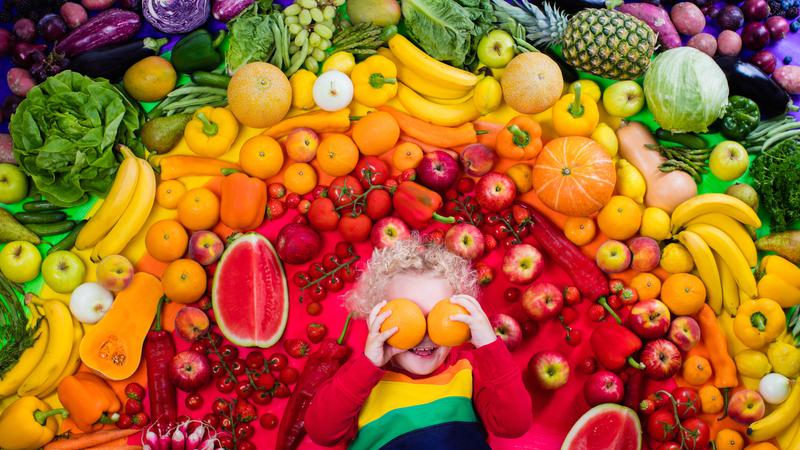
Image Credit: Famveldman / Dreamstime.com
Sound Off

SOUND OFF: Tropical fruit brings many benefits to the table — how Kamloops residents can increase their fruit intake

Jun 26, 2023 | 6:00 AM

“AS A GROUP, tropical fruits are filled with nutrients that may help with controlling blood pressure, keeping digestion working smoothly, and possibly even lowering the risk of cancer and heart disease,” noted Hank Dart, prevention and control expert at Siteman Cancer Center. Despite the array of benefits involved, many Canadians simply aren’t getting enough fruit in their diets. From the benefits to the decline in fruit consumption to how those in British Columbia are cultivating their own tropical fruits — and how residents of Kamloops can increase their intake, here’s what you should know.

Diving into the health benefits

Originating in hot and humid climates, tropical fruit boasts a variety of health benefits, underlining their potential as part of a healthy diet. Hank Dart further explains the benefits, stating: “Among other nutrients, these fruits are often rich in Vitamin C, potassium, beta-carotene, fiber and even healthy fats, when you count avocados — which, yes, are technically fruits.”

Common tropical options such as bananas are well known for their benefits such as fiber, vitamin C, and potassium, though it’s necessary to keep in mind that lesser-known tropical fruits offer a range of benefits as well.


Lychee is one of many tropical fruits that brings plenty of nutritional value to the table. Healthline points out that while lychees are mainly composed of water and carbs, they are a “decent source” of several vitamins and minerals, including vitamin C, copper, and potassium. That said, it’s a common misconception that the sweet tasting fruit will only grow in tropical/subtropical areas. If the conditions are right, planting them outside gives the best chance for a fruit-bearing lychee tree, though emulating tropical conditions in a greenhouse is possible as well.

A concerning decline in fruit consumption

Regarding the intake of fruit among Canadians, one study from the University of British Columbia highlighted a ‘significant drop’ in the amount of fruit and vegetables Canadians ate over an 11-year period. The CBC article noted that the study involved respondents who provided, in 2004 and again in 2015, data regarding what food and drinks they had consumed in the previous 24 hours.

“Poor diet quality is the number one contributor to the burden of chronic diseases in Canada,” said the lead author of the study, Claire Tugault-Lafleur. According to Tugault-Lafleur, even making small changes to one’s diet (such as an extra serving of fruit or veg) can affect rates of chronic diseases. “It’s important to make those changes early,” she noted.

More recently, a report from Dalhousie University’s Agri-Food Analytics Lab suggests that just 29.3 per cent of Canadians buy the recommended amount of fruits and vegetables, thus further highlighting the need for change. Canada’s Food Guide recommends filling half our plates with fruits and vegetables, notes the 2021 National Post article.

The fundamentals of growing tropical fruit

For Kamloops residents looking to add more fruit into their diet, growing tropical fruit oneself isn’t out of the question — even in climates like that of British Columbia.

Fruits like cherries seem to thrive in British Columbia’s climate, though many may wonder how it’s possible to grow tropical fruits in places that simply aren’t tropical. One 2011 Vancouver Sun article written by Steve Whysall highlights Byron Martin, of Logee Tropical Plants in Danielson, Connecticut. Martin explained how growing tropical fruits in such climates is a very real possibility — light being just one major necessity.

“It doesn’t matter that you have cloudy skies. Keep plants in a well-lit, southern exposure where they get direct light and they will do well,” Byron said. The Vancouver Sun post goes on to note that in the summer, plants can be moved outside to the sunniest spot in the garden. Otherwise, growing them — even in the winter months —- shouldn’t be a problem when done indoors. “Tropical plants can tolerate a bit of cold. I grow them in my house here in Connecticut, where we have a wood-burning stove and the night temperatures go down to 10 C (50 F) and they are perfectly okay,” Byron noted.

Innovative approaches among B.C. residents

Jane Squier is one of several on B.C.’s South Coast who is experimenting with growing subtropical and Mediterranean fruit in the province, and has been growing over 34 varieties of citrus in her Salt spring Island greenhouse for the past eight years, explains one CBC article.

While locations like British Columbia are oftentimes considered ‘too cold’ to grow tropical fruits, Squier explains that she stores heat in her greenhouse by holding rainwater in two large tanks — during the winter, it’s heated via a ‘high-efficiency wood gasifier furnace.’ “Among a variety of techniques, she’s also built thermal walls to help insulate and stabilize heat and moisture within the greenhouse,” notes the CBC post, which goes on to highlight the efforts of others, such as those used by Bob Duncan.

Duncan, according to CBC, grows specialty fruit near Sidney on Vancouver Island, on the northern end of the Saanich Peninsula. Growing a variety of fruits — including figs, kiwi, and oranges, among others, Duncan grows some of the fruit in unheated greenhouses, and others are grown outside (where they get sun exposure). During cold temperatures, Duncan makes use of incandescent Christmas lights and remay (a type of fabric) to cover his crops, the bulbs providing heat to help the fruit grow.

Fruit presents a variety of health benefits, though many simply aren’t getting enough in their diet. For residents of Kamloops, increasing fruit intake can be as simple as growing tropical favourites yourself — just as several B.C. residents have managed to do.

——

Editor’s Note: This opinion piece reflects the views of its author, and does not necessarily represent the views of CFJC Today or Pattison Media.