Image Credit: CFJC Today
NALOXONE TRAINING

Fallout from Sahali naloxone flap a chance for discussion on toxic drug crisis: SD73 superintendent

Feb 1, 2023 | 5:04 PM

KAMLOOPS — In 2022, 34 people under the age of 19 died as a result of the toxic drug supply in BC. It was just one of the shocking statistics from the BC Coroners Service report that came out on Tuesday (Jan. 31).

“Youth that start using now become the overdose deaths we see in another five years if we don’t do something meaningful to address this crisis,” Dr. Paxton Bach, co-medical director at the BC Centre for Substance Use said at Tuesday’s media conference.

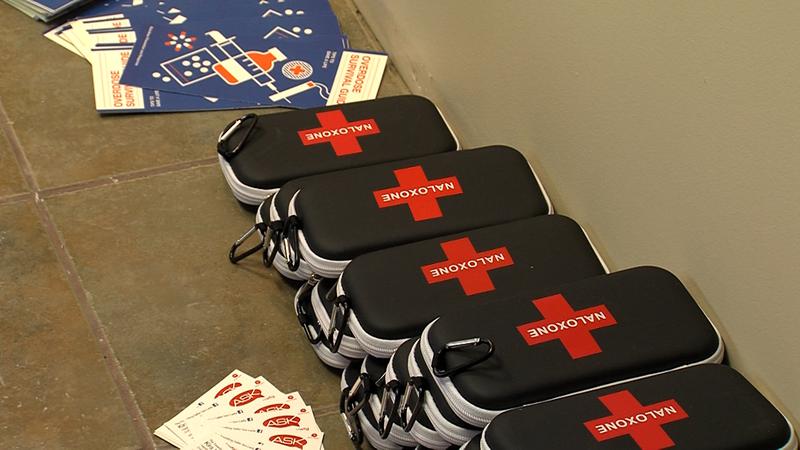
It’s an issue that came up recently in School District 73, as a few students at Sahali Secondary set off an uproar when they mistakenly took home some naloxone kits without proper communication. For Superintendent Rhonda Nixon, the incident has become a place to start a conversation about education around the toxic drug crisis.

“Right now, we don’t introduce naloxone kits in our schools. That’s not what we do, and actually when I reached out to a number of superintendents — not all of them — but a number of them asked where does this fit?” explained Nixon. “How does it fit? And with whom — like, what grade and what age level, and how are parents involved? That question is important.”

Moms Stop the Harm (MSTH) is a network of Canadian families impacted by substance use-related harms and deaths. For MSTH advocate Troylana Manson, whose son Aaron passed away nearly two years ago, naloxone kits are important tools for young people.

“They’re going to weekend parties, and for a kid to have a [naloxone] kit, there will be someone around who knows how to use it,” Manson suggests. “Even if they have to teach themselves at that moment — there are instructions in them — you saved a life.”

After some parents expressed concern that their kids brought home a naloxone kit from school last week, Medical Health Officer Dr. Carol Fenton says she plans to reach out to the SD73 board to offer her expertise and resources on the topic.

“I’d love for naloxone training to be more accessible to people,” Dr. Fenton says. “I’m definitely going to have conversations with members of the school board to see if there’s interest in making it more available in schools.”

While that conversation has yet to take place, Nixon believes the education system does a good job of teaching students of all ages the importance of mental and physical well-being, with the hope that knowledge can help them make good decisions as they get older.

“That conversation happens as young as [Kindergarten and Grade 1] when we talk about our bodies and our minds being connected,” Nixon says. “[We] talk about well-being — social well-being, mental well-being, physical well-being, so students have a really clear picture that it’s all connected.”