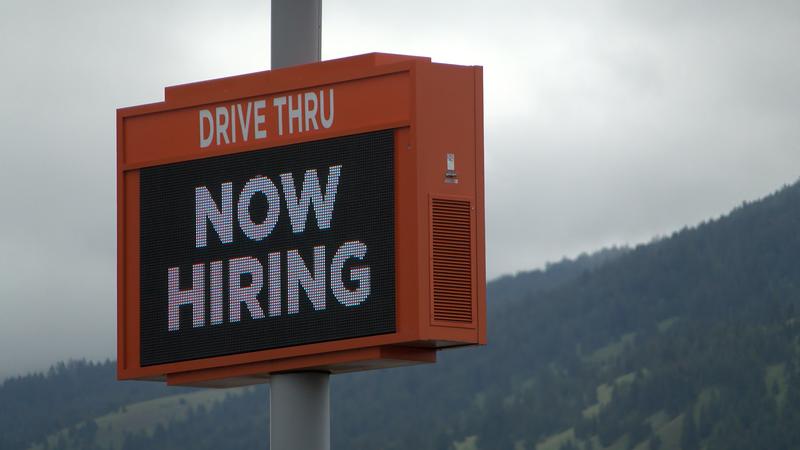
Minimum wage increase not expected to relieve worker shortages in Kamloops(image credit - CFJC Today)
MINIMUM WAGE

Minimum wage workers falling further behind despite 45-cent raise: TRU expert

Jun 1, 2022 | 4:19 PM

KAMLOOPS — Wednesday (June 1), the minimum wage in British Columbia rose by 45 cents to $15.65 per hour, making it the second-highest minimum in Canada, trailing just Yukon. Numbers from the province show just more than 136,000 workers — or six per cent of employees — made minimum wage last year.

“It’s better than not increasing, so something is better than nothing, but it’s still not keeping up with inflation,” said TRU Economic Professor Peter Tsigaris.

Minimum wage workers will see a small bump on their next pay-cheques, as the province increased the benchmark wage to $15.65 per hour. Despite the mandatory raise, one local economist believes the workers will keep struggling.


“The real wages have fallen instead of rising actually, even with the increase of minimum wages, because prices are rising much faster than the minimum wage is rising. That’s a concern for people in the low income group,” added Tsigaris.

Jim Anderson from Venture Kamloops sees the increase as a double-edged sword, and with the COVID recovery period, inflation and the workforce shortage, he’s not confident wages will make a difference.

“Businesses are in a position where they are trying to control expenses. So this puts more pressure on that, there is no doubt about it. The second side of it, in my mind, is we are in a super workforce crunch. Does the idea that there is more money for a worker provide incentive for people to get back into the workforce?” questioned Anderson.

The province announced the 45 cent raise was in step with 2021 inflation levels that they pegged at 2.8 per cent. But, with the consumer price index continuing a steep climb, minimum wage workers are only falling farther behind with their buying power.

“The people who are working at minimum wage have actually seen a decrease in their buying power, because prices of food and shelter are rising much faster that the rate of minimum wages, so they are losing buying power and that’s a big concern,” said Tsagaris.

Inflation in British Columbia is being fuelled by rising gas prices, supply chain delays and increasing prices of consumer goods. With inflation rising faster than minimum wage, local businesses will have to get creative to attract new workers.

“I don’t think that the current labour shortage has anything to do with how much the current minimum wage is, it has to do with demographics. Does 45 cent an hour change that? I don’t think so,” said Anderson.