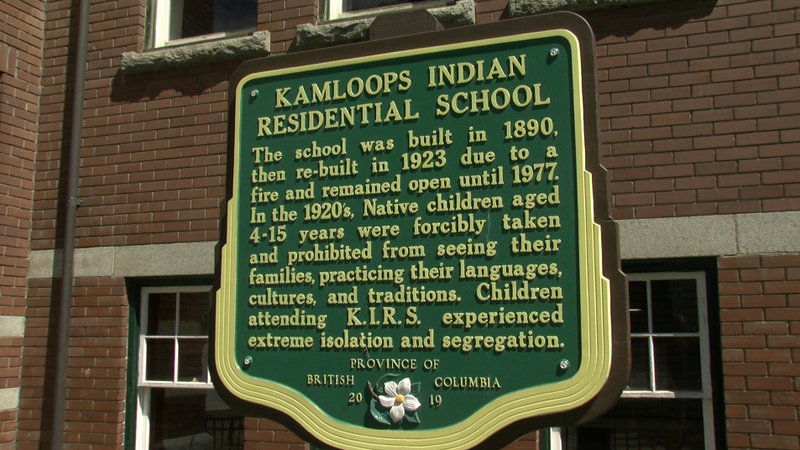
File Photo (Image Credit: CFJC Today)
Sound Off

SOUND OFF: Listen, learn and challenge yourself

Sep 30, 2021 | 10:30 AM

AS WE MARK THE FIRST National Day for Truth and Reconciliation, many of us will be wearing an orange shirt to simultaneously mark Orange Shirt Day.

Orange Shirt Day started in the Cariboo region and is a legacy of the St. Joseph Mission Residential School Commemoration Project and Reunion events that took place in Williams Lake in 2013. Former student Phyllis Webstad shared the story of how she had excitedly picked out a new orange shirt to wear to her new school, not knowing it would be taken from her among other injustices she experienced. I encourage you to read the full story in her words here.

Beyond wearing this visible symbol of your commitment to reconciliation, you might be wondering what else you can do to advance this process in your community.

Firstly, it’s important to listen to the voices of Indigenous people which have too often been silenced by individuals and institutions. We must open our ears and our hearts to how Indigenous people would like the process of reconciliation to unfold and reaffirm our commitment to working together to achieve it.

It’s also imperative that we commit to learning more about reconciliation and why it’s important. This is where the hard work comes in, and I encourage you to seek out educational resources in Indigenous voices. A good place to start is by reading the calls to action from the Truth and Reconciliation Commission. It’s worth noting that the National Day for Truth and Reconciliation that we are marking on September 30th was among those calls to action.

The Commission ran from 2008 to 2015 and provided those affected by the legacy of the Indian Residential Schools with the opportunity to share their stories and experiences. While it’s difficult to learn about the abuses and injustices suffered by those who attended residential schools — and the many impacts on their loved ones which are felt to this day — doing so is an important step for all of us to take.

And this leads to another significant action we can take, and that is to challenge our own thinking and actions. Are we carrying around our own prejudices and biases? Have we ever participated in Indigenous ceremonies or events? Have we held conversations with others about Indigenous issues, even if those discussions are difficult? We must challenge our own beliefs and our own discomfort as we walk this path together.

On this inaugural National Day for Truth and Reconciliation — and beyond — I hope you will consider attending local events, seeking out educational materials and engaging in meaningful conversations as we all work towards true reconciliation.

——

Editor’s Note: This opinion piece reflects the views of its author, and does not necessarily represent the views of CFJC Today or Pattison Media.

For more information:

Truth and Reconciliation Commission of Canada

Support Resources:

  • KUU-US Crisis Line: 1-800-588-8717
  • Tsow-Tun-Le Lum: 1-866-403-3123
  • Indian Residential School Survivors Society Toll-Free Line: 1-800-721-0066
  • 24hr National Crisis Line: 1-866-925-4419