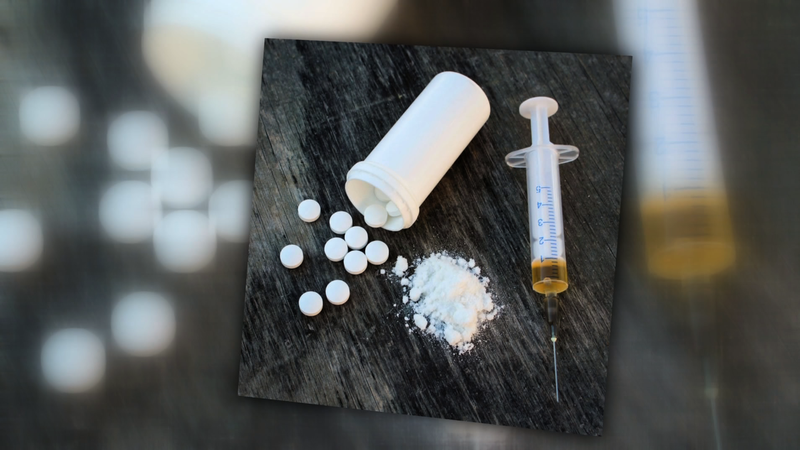
The B.C. Coroners Service say a toxic drug supply during the pandemic continues to persist (Image Credit: Global News)
OVERDOSE CRISIS

Kamloops deaths down, overdoses happening daily amid ongoing toxic drug supply

Mar 3, 2021 | 4:12 PM

KAMLOOPS — The 165 overdose deaths last month is the fifth highest monthly total ever recorded in B.C. The other four happened in 2020 when the pandemic reduced access to services and increased the toxicity of many street-level drugs.

“With the pandemic, and a lot of the services that people were relying on in terms of supervised consumption, overdose prevention, were curtailed a little bit,” B.C.’s chief coroner Lisa Lapointe told CFJC Today. “Then the advent of increasingly toxic substances in the illicit drug supply, 2020 was the worst year that we’ve ever seen, and now we’ve seen 2021 start off with a really tragic number of deaths.”

Overdose deaths in January doubled compared to the same month last year, going from 81 to 165. Lapointe says the rapid jump can be blamed mainly on the drug supply.

“The toxic supply is absolutely alarming. We have more extreme levels of fentanyl in the illicit drug market. We are seeing the increase now in carfentanil,” she said. “The toxic drug supply in B.C. — it’s always been risky, there’s never been quality control — is now more dangerous than it ever has been.”

Kamloops bucked the provincial trend with only one death. However, those on the front lines say it’s an anomaly and not at all indicative of what’s actually going on.

“I get critical incidents every single day that come through,” said ASK Wellness Executive Director Bob Hughes. “We’re responding to overdose almost on a daily basis and shaking our head and going, ‘It’s the same guy, it’s the same gal.’ If that isn’t demoralizing, I don’t know what is.”

Hughes says the stigma against people struggling with addictions is high, and agencies like ASK Wellness can’t turn the situation around alone.

“This is a cry for action, a cry from the province and the feds to go, once we get people vaccinated, can we put the resources into treating people and their addictions and treating people with humanity,” said Hughes. “Also holding those who are causing havoc, hold them accountable.”

Lapointe adds there’s no systematic approach from government to help people who may be using. She says the solution could lie in more doctors prescribing safe opioids to patients — something that isn’t widely practiced. Lapointe says physicians also injecting opioids could be the path to wellness for many.

“Really what we need is a multi-pronged approach where there’s harm reduction. That will reduce overdoses,” she said. “Access to safe supply. Injectable opioid therapy, so physicians who are willing to support people — and nurse practitioners — so they don’t have to access this profit-driven, extremely dangerous market.”