Calls for transient issues, panhandling up in Kamloops

Oct 30, 2018 | 10:22 AM

KAMLOOPS — Abandoned shopping carts, active transient camps and people sleeping in doorways are dominating calls for bylaw service in Kamloops.

City of Kamloops Bylaw Services Manager John Ramsay says officers and the public are taking a more proactive approach to transient issues in the city, which is leading to more calls for service.

New quarterly numbers show a stark increase in complaints about transient issues and panhandling in the city. Ramsay says transient issues can include anything from a transient camp to abandoned shopping carts or people congregating in an area that’s making the public feel unsafe.

In the third quarter of this year, there were 393 calls for service relating to transient issues in the city. Compare that to the same time period last year when there were 301 calls, and in 2015 when there were just 89 calls. Ramsay says there are a few reasons for the seemingly dramatic spike in calls.


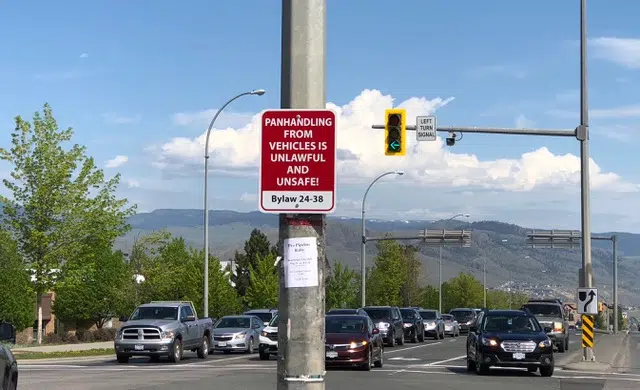
During this time period, there were 54 calls for panhandling complaints, compared to 28 the year prior and just eight in 2016.

“One is the public are calling in for the complaints, the other is proactive enforcement, so we join patrols now with the RCMP,” Ramsay says. “So those numbers reflect changes in the way we handle these type of issues and the public contacting us on a regular basis.”

Ramsay says bylaw has had to change its approach to tailor needs toward social issues in Kamloops. 

“The social issues we see in our community is the number one thing that we’re focusing on,” he says. “Through partnerships with the CAP team and the RCMP, we’re trying to address that the best that we can.”

Bylaw officers in Kamloops are also trained by the Canadian Mental Health Association in first aid training, trained in de-escalation techniques, and trained in self protection and how to create space. Since officers aren’t armed with weapons, Ramsay says it’s imperative to have these skills.

He emphasizes the need for the public to understand that bylaw officers have to reallocate their resources to the most pressing issues in the community.

“I think that what we need to do is we need to be able to prioritize and let the public know that loud radio may be a noise to you, however we have other issues that we have to prioritize for the community as a whole,” he says. “I think as a community we need to recognize that these issues are here and the best thing we can do is all take part in trying to resolve them.”